- 8min
- 1684
- 0
Contents
It is one of those questions that looks simple at first: should you buy a gas pressure washer or an electric pressure washer?
At a glance, the answer seems obvious. Gas models are stronger. Electric models are easier. Done, right?
Not really.
The gas vs electric pressure washer comparison becomes much more important once you actually start cleaning a driveway, washing a car, removing mud from outdoor equipment, or rinsing your patio after a long season. The wrong choice can turn a simple cleaning job into something noisy, heavy, and frustrating. The right choice can save time, reduce effort, and make the whole process feel much smoother.
So, before choosing between a gas pressure washer and an electric pressure washer, it helps to understand what each one is really built for.
Gas vs Electric Pressure Washer Advantages
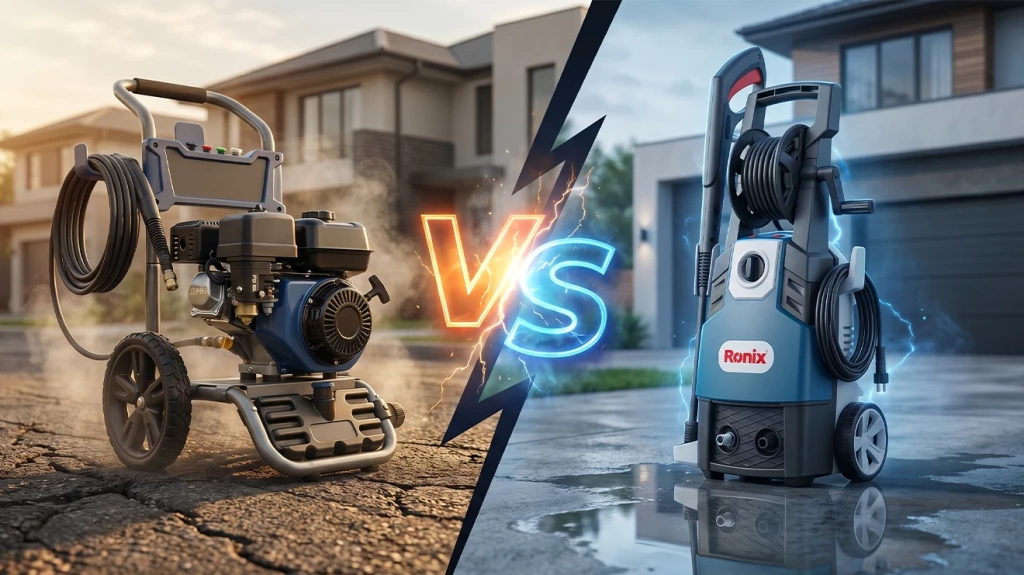
Both gas and electric pressure washers are useful. Both are much faster and more effective than a regular garden hose. But they are not made for the same kind of work.
Gas pressure washers are built for power. Electric pressure washers are built for convenience.
That is the real difference.
If you are cleaning large outdoor areas, heavy dirt, or equipment that gets dirty often, gas can be the better option. But if you mostly clean around the house, wash your car, or handle lighter outdoor jobs, electric may be all you need.
That is why the electric vs gas pressure washer decision should always start with your cleaning needs, not just the machine’s power rating.
Pros of Gas Pressure Washers
Gas pressure washers are made for serious cleaning.
They usually offer higher PSI and stronger water flow, so they can remove stubborn dirt, mud, grease, and built-up grime more easily. If you have a large driveway, a workshop, a farm, construction equipment, or outdoor areas that get dirty fast, a gas model gives you the kind of power that makes a difference.
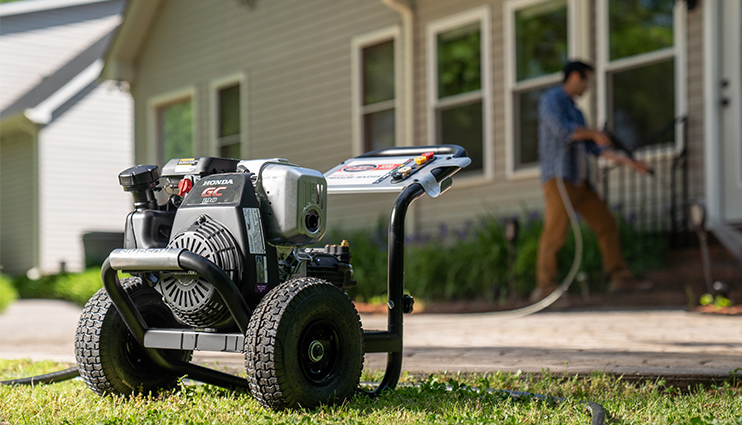
Gas pressure washers do not need to be plugged into a power outlet. That means you can move around more freely and use them in places where electricity is not available. For large properties, job sites, farms and remote outdoor spaces, this can be a real advantage.
So, in the pressure washer gas vs electric confusion, gas clearly wins when power, mobility, and heavy-duty performance matter most.
Pros of Electric Pressure Washers
Electric pressure washers are the easier option to live with.
You plug them in, connect the hose, and start cleaning. No fuel. No oil. No engine maintenance. No complicated setup.
That is exactly why many homeowners prefer them.
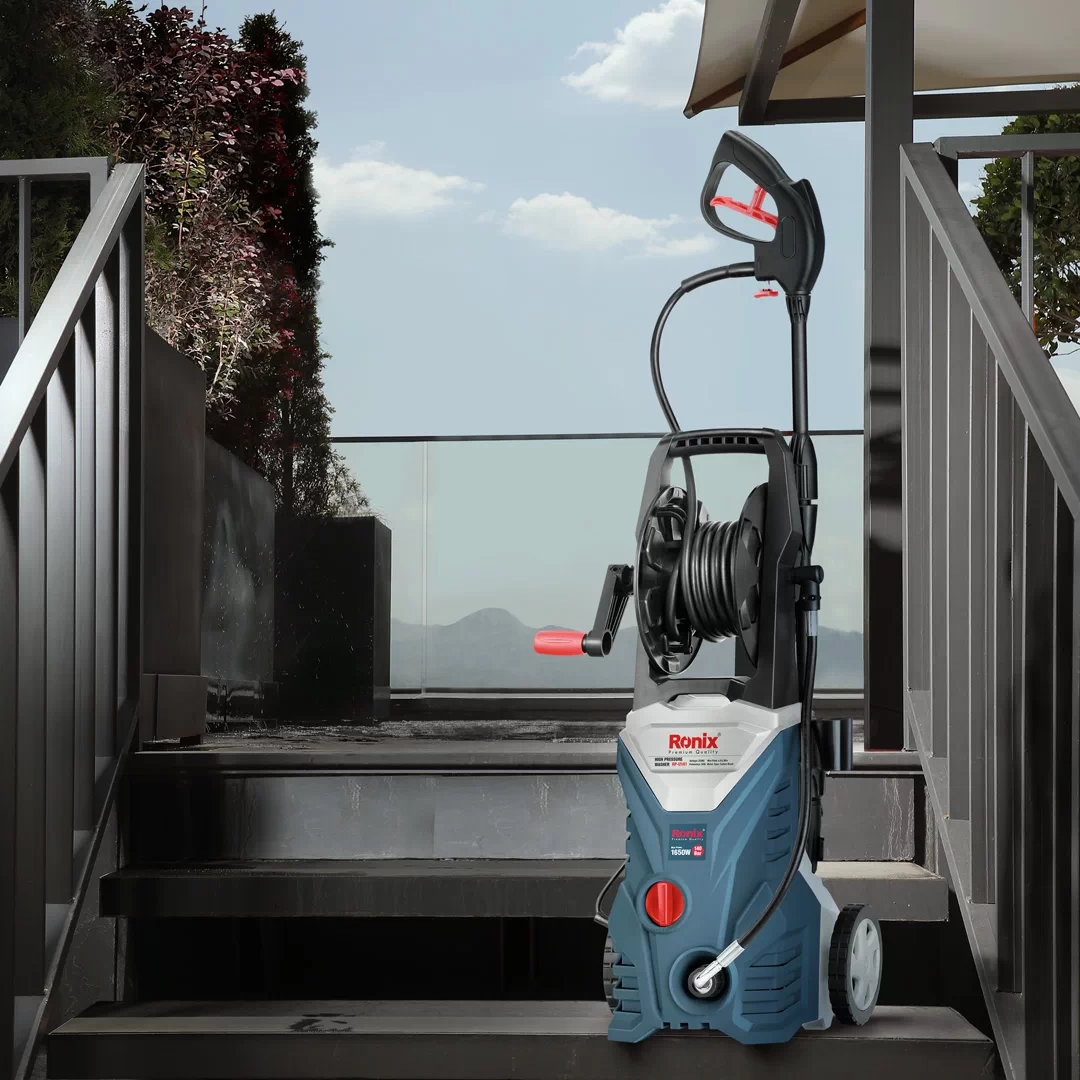
They are usually lighter, more compact and easier to store than gas models. You do not need a lot of space and you do not have to deal with the weight and bulk of a fuel-powered machine.
They are also much quieter, which makes them more comfortable for residential areas.
So, when comparing an electric pressure washer vs gas model for everyday cleaning, electric is usually the more practical choice.
Gas vs Electric Pressure Washer Disadvantages
Of course, neither option is perfect.
The same thing that makes each type useful can also become a limitation.
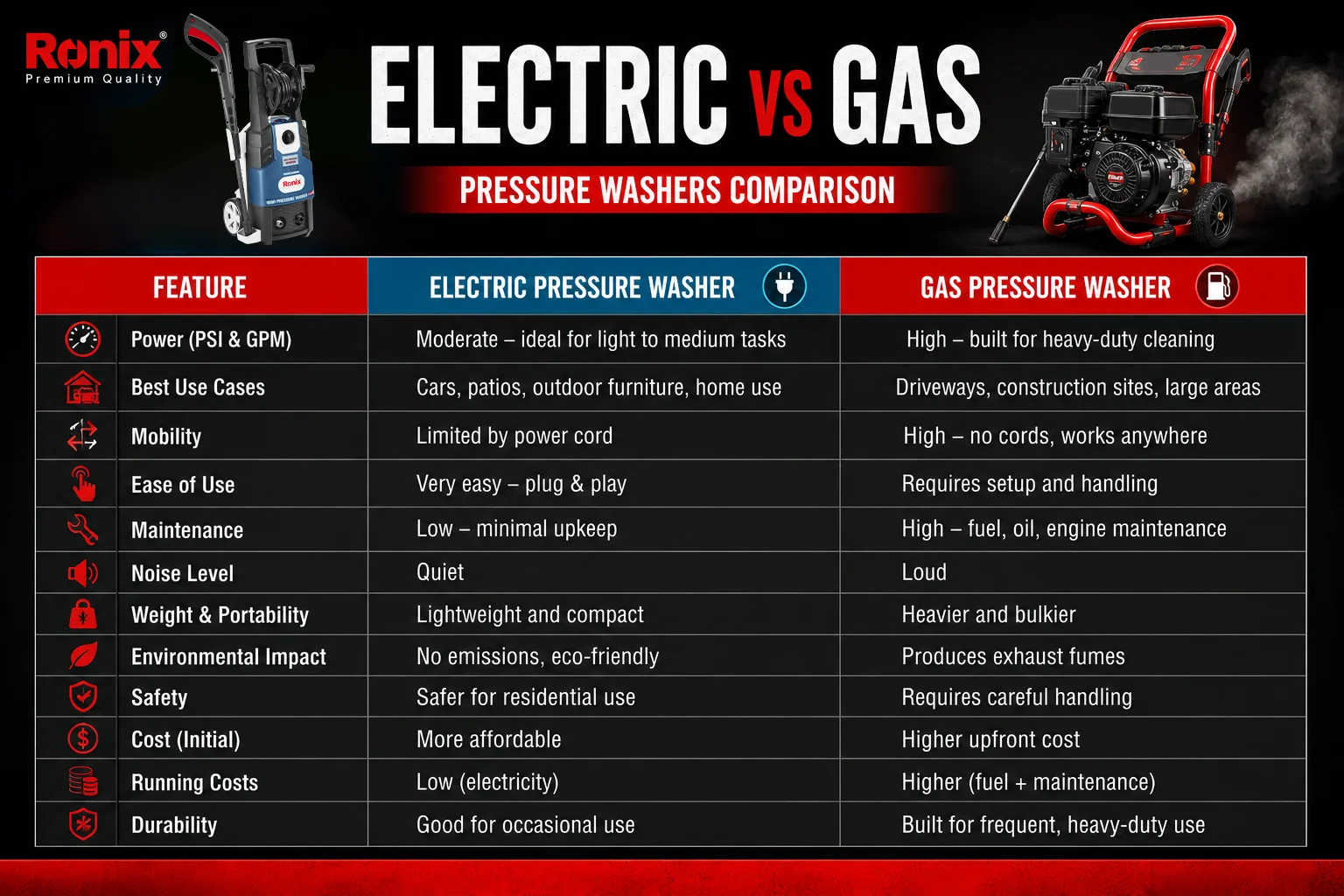
Gas pressure washers are powerful but they are heavier, louder and need more care. Electric pressure washers are easy to use but they may not be strong enough for every job.
So, choosing between gas and electric is not just about power. It is about knowing what compromises you are willing to accept.
Cons of Gas Pressure Washers
Gas pressure washers give you more power, but they require more effort.
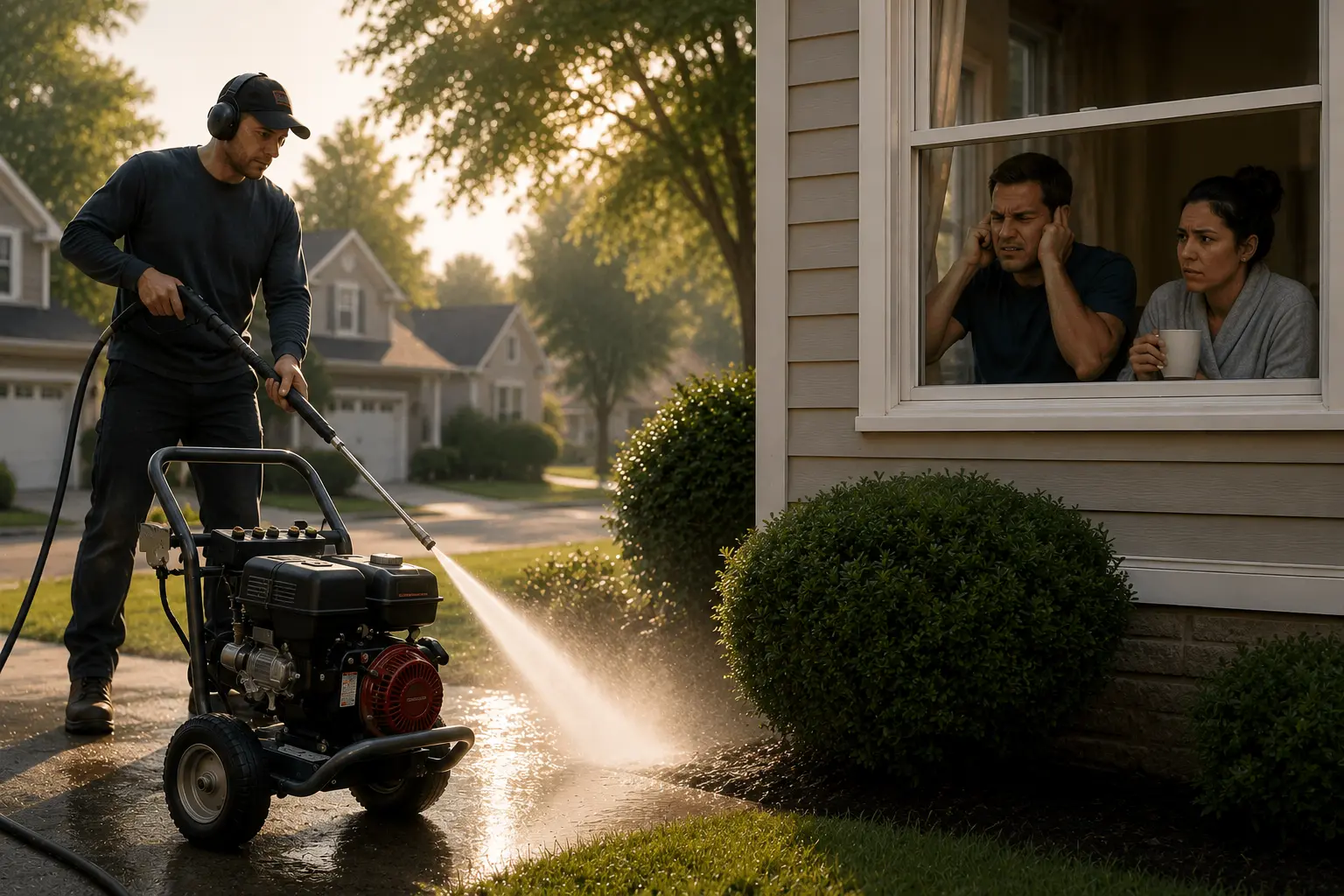
They are usually heavier, louder and harder to store than electric models. They also need regular engine maintenance, such as oil checks, fuel care, air filter cleaning, and spark plug inspection.
Because they run on fuel, they also produce exhaust fumes and should only be used outdoors in well-ventilated areas.
So, in the pressure washer gas vs electric marathon, gas wins in power but loses in comfort, noise, and maintenance.
Cons of Electric Pressure Washers
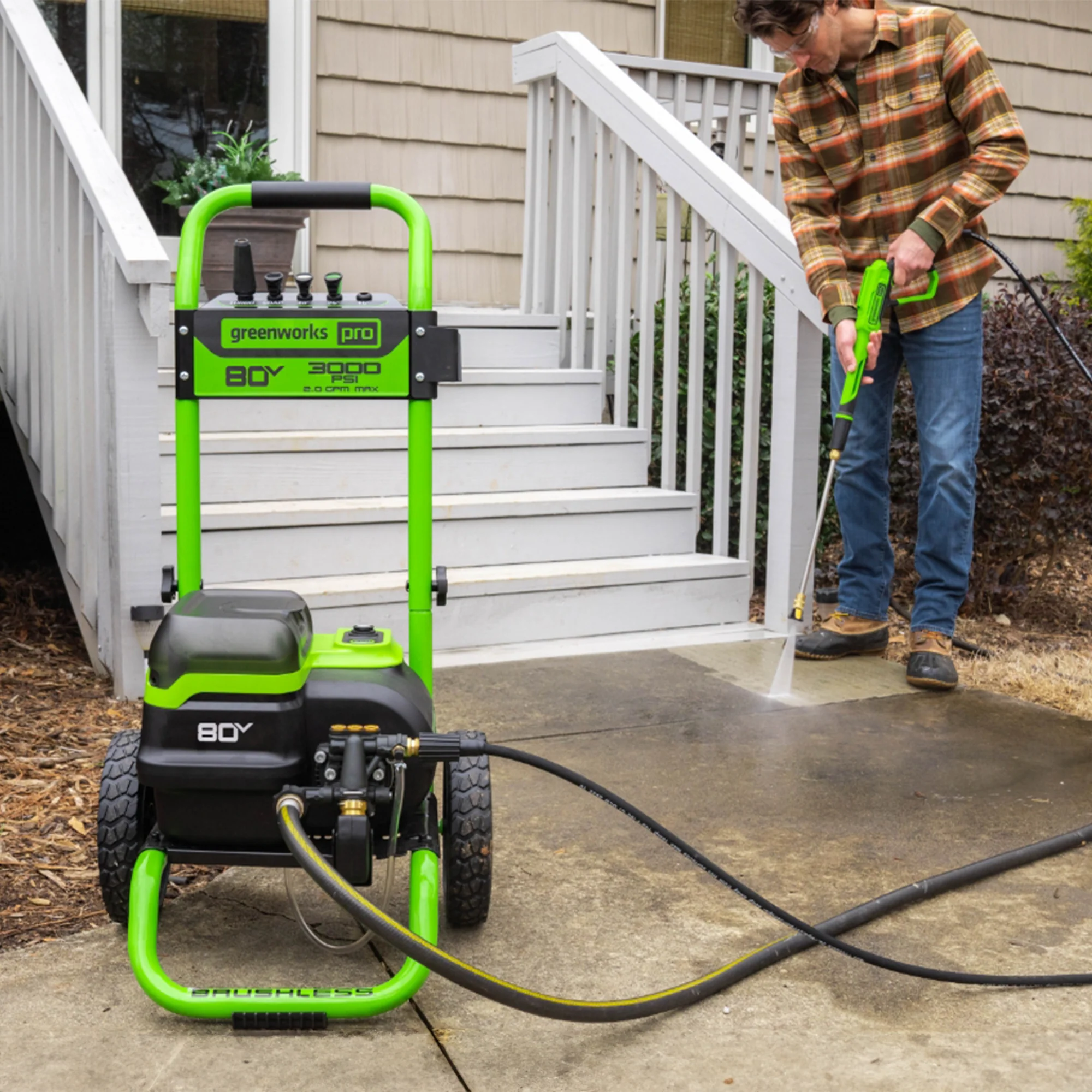
Electric pressure washers are practical, but they have limits.
They work well for light and medium cleaning but they may struggle with heavy grime, oil stains, large areas, or industrial dirt.
They also depend on electricity so the power cord can limit movement in larger spaces or areas without easy access to outlets.
So, in the electric pressure washer vs gas comparison, electric is easier to use, but gas is better for bigger and tougher jobs.
Electric vs Gas Pressure Washer for Cars
One of the most common reasons people buy a pressure washer is car cleaning. And when it comes to cars, control matters more than raw power.
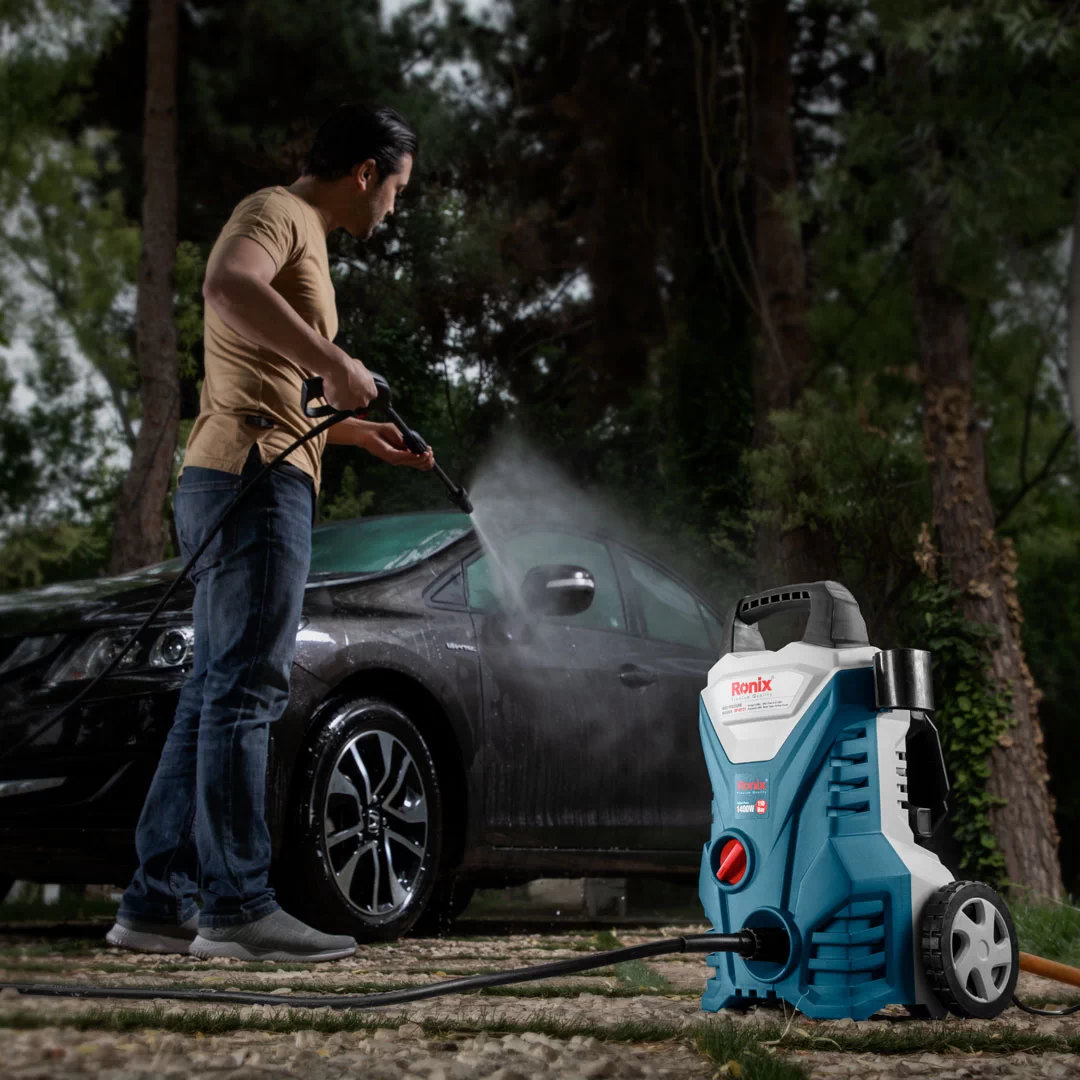
That is why electric pressure washers are usually the better choice for washing cars.
They provide enough pressure to remove dust, mud, and road grime without putting too much stress on paint, coatings, trim, or delicate parts. You get a clean car without feeling like you are using too much force.
Gas pressure washers can also be used for cars but they need more care. If the pressure is too high, the nozzle is wrong, or you stand too close to the surface, you can damage the paint or sensitive parts.
So, in the pressure washer electric vs gas choice for car cleaning, electric is usually safer, easier and more practical for most users.
Don’t Miss the Ronix Pressure Washers!
https://ronixtools.com/en/power-tools/pressure-washers/
Electric Pressure Washer vs Gas for Home Use
For most homes, electric pressure washers make more sense.
They are easier to carry, easier to store and easier to start. You can use them for patios, garden furniture, bicycles, cars, walkways, balconies, and regular outdoor cleaning without much preparation.
There is no fuel to manage, no engine to maintain and no loud noise to deal with.
Gas pressure washers are better if you have larger outdoor areas, heavier dirt, or frequent deep-cleaning jobs. If you regularly clean big driveways, stone surfaces, farm equipment, or heavily stained areas, gas may be worth it.
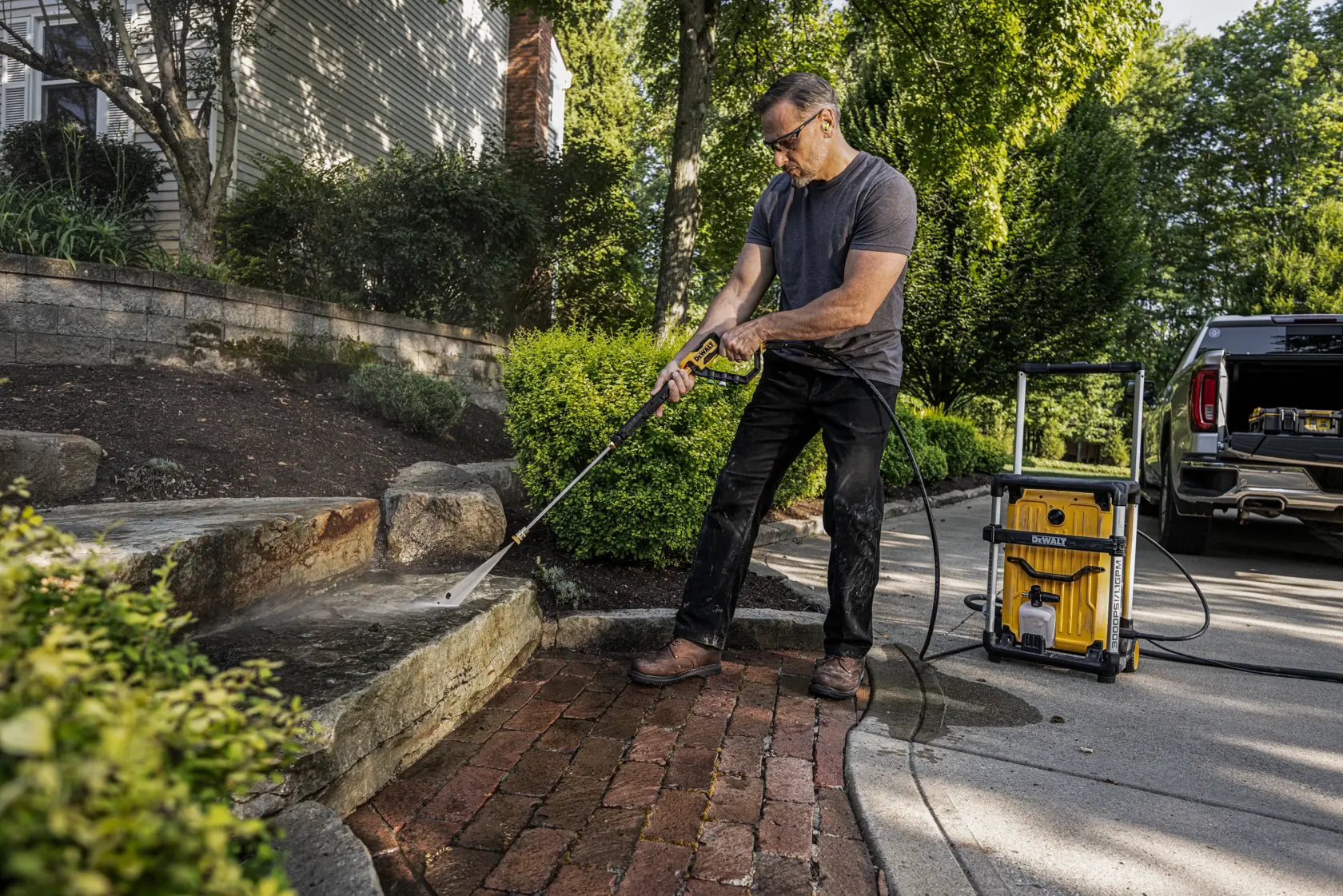
But for normal home use, electric is usually the smarter choice. It gives you enough cleaning power without adding unnecessary weight, noise, or maintenance.
Electric vs Gas Pressure Washer Maintenance
Maintenance is one of the biggest differences between these two machines.
Electric pressure washers are simple. Keep the machine clean, check the hose and connections, store it properly, and avoid overworking it. For most users, that is enough.
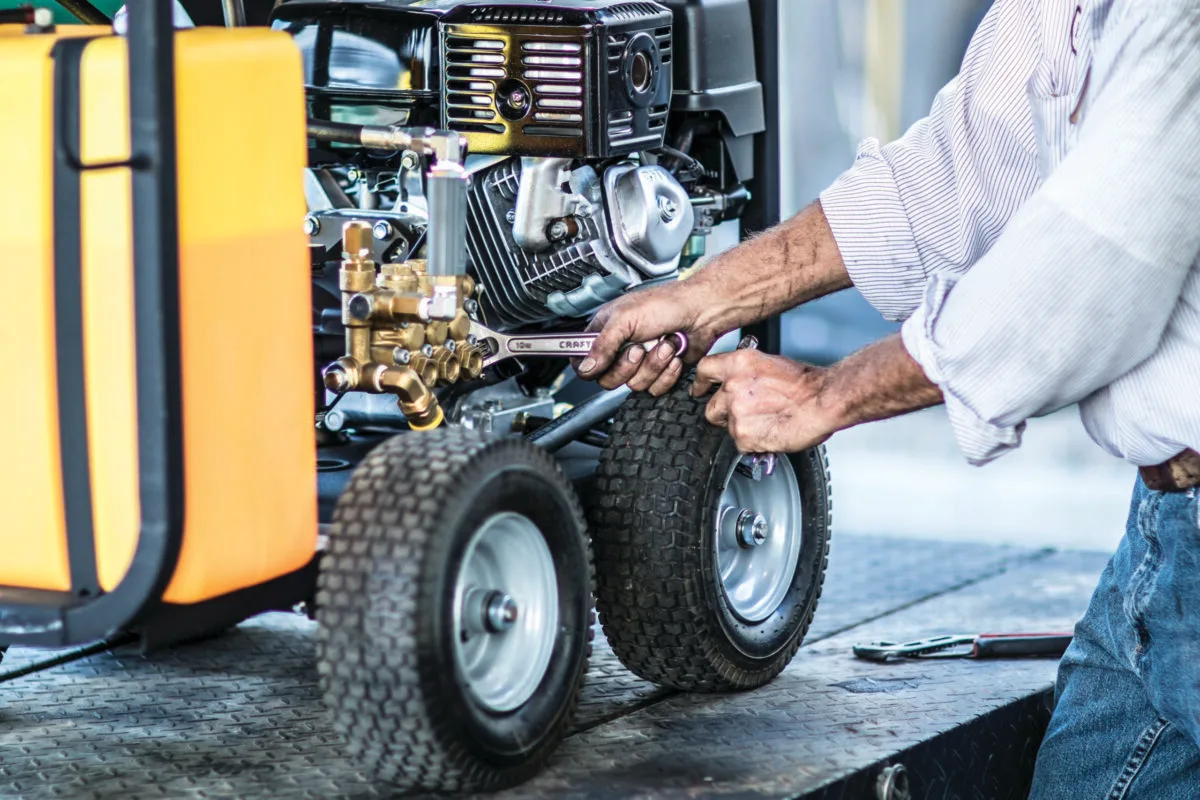
Gas pressure washers need more attention.
Because they run on engines, they require oil changes, fuel checks, air filter cleaning, spark plug care, and proper storage. If fuel sits inside the machine for too long or regular maintenance is ignored, the pressure washer may become harder to start or lose performance.
So, the electric vs gas pressure washer maintenance difference is clear: electric models are easier to own, while gas models need more care but deliver stronger performance.
Electric vs. Gas Pressure Washers: Power and Cleaning Performance
This is where the difference becomes very clear.
Gas pressure washers deliver stronger cleaning power. With higher PSI and stronger water flow, they can clean large areas faster and remove tougher dirt more effectively. If you are dealing with mud, grease, thick grime, or heavy outdoor cleaning, gas usually performs better.
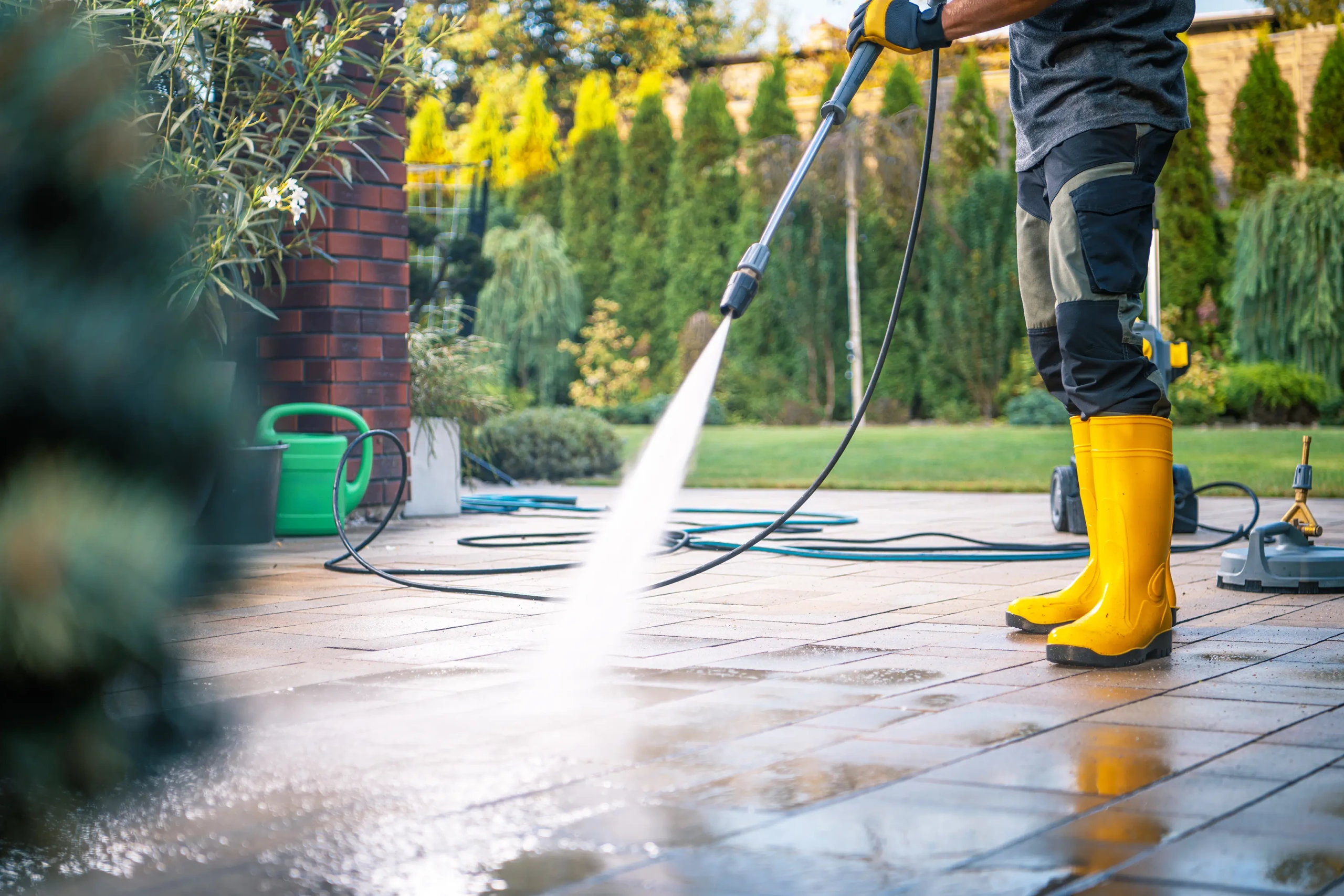
Electric pressure washers are more about control.
They may not be as aggressive, but they are easier to manage and safer for lighter surfaces. For everyday cleaning, they usually provide enough power without making the job feel too intense.
So, the gas vs electric pressure washer question is not really about which one is better overall. It is about matching the machine to the job.
For heavy-duty work, gas is the stronger option.
For regular cleaning, electric is usually enough.
Electric vs. Gas Pressure Washers: Environmental Impact and Safety Considerations
Electric pressure washers are generally cleaner and more comfortable for everyday use. They produce no direct exhaust fumes, make less noise, and are easier to use around homes and residential areas.
Gas pressure washers need more care. Because they run on fuel, they produce exhaust fumes and should only be used outdoors with good ventilation. They are also louder and usually more powerful, so users need to be more careful with pressure, nozzle distance, and surface sensitivity.
So, in the electric vs gas pressure washer comparison, electric is better for comfort, lower noise, and easier handling, while gas is better when strong outdoor performance matters more.
Conclusion: It’s Not About Better, It’s About Fit
You do not always need the most powerful pressure washer.
You need the right one.
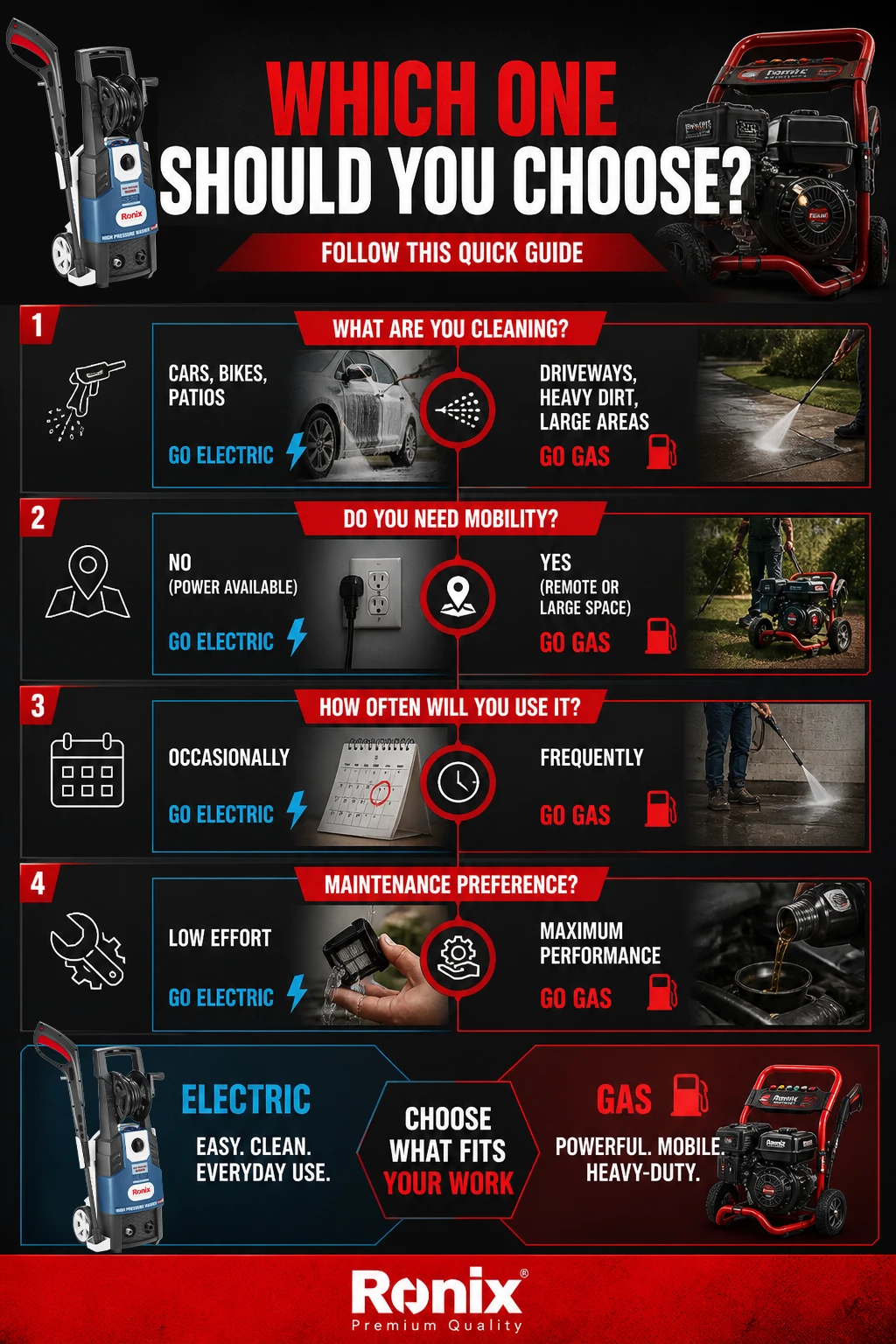
If your cleaning jobs are heavy, frequent, and spread across large outdoor areas, a gas pressure washer is probably the better choice. It gives you more power, more freedom, and stronger performance.
But if you mostly clean cars, patios, garden furniture, bikes, balconies, or smaller outdoor areas, an electric pressure washer is usually the smarter option. It is quieter, easier to use, easier to maintain, and more practical for everyday cleaning.
So, when it comes to the pressure washer electric vs gas decision, ask yourself one simple question:
Are you cleaning as part of your routine, or are you cleaning as part of serious work?
If it is routine cleaning, go electric.
If it is heavy work, go gas.

Giselle
8 May 2026