- 5min
- 1595
- 0
Contents
When comparing ratchet wrench vs socket wrench, many people think they’re two completely different tools. But in reality, they are closely connected and usually used together.
So, when you’re dealing with a stubborn nut or bolt, which one should you reach for?
In this article, we’ll explain the key differences, how each tool works, and help you choose the right one for your tasks. Whether you’re a DIYer or a pro, understanding socket wrench vs ratchet can make your work faster and easier.
What is a Socket Wrench?
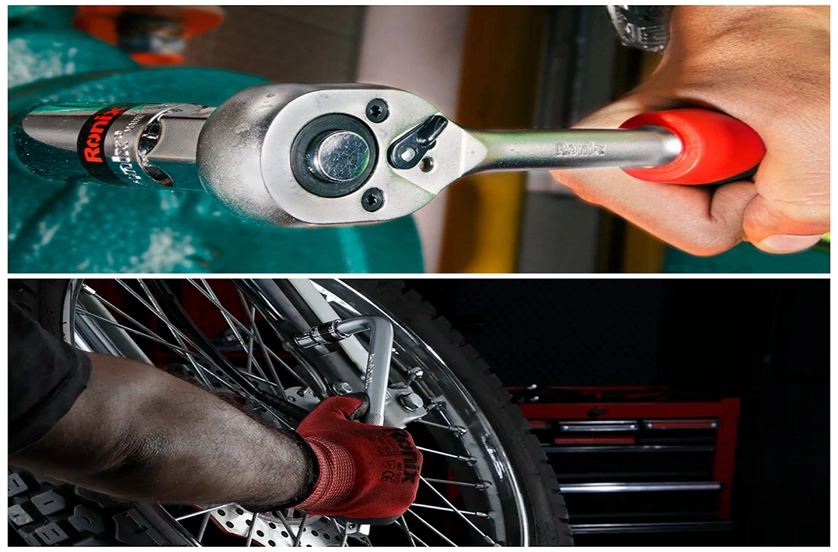
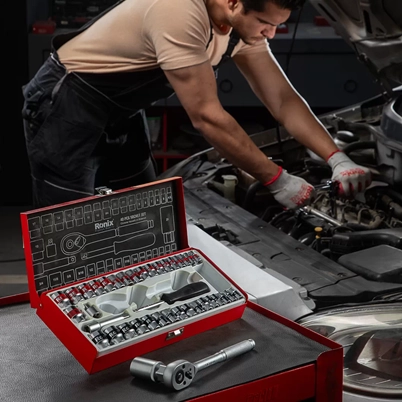
A socket wrench is a tool used for tightening or loosening nuts and bolts. Unlike a standard wrench, it uses interchangeable sockets that fit different sizes of fasteners, making it very versatile. This is often where the comparison of socket wrench vs ratchet wrench comes up, since the two are closely related and commonly used together.
A socket wrench usually includes:
- Handle (often a ratchet handle): the part you hold and move
- Socket: the round piece that fits over the nut or bolt
You can switch sockets to match different sizes.
Usage of a Socket Wrench
A socket wrench is used in a wide range of DIY tasks because it can handle different bolt sizes quickly and efficiently.
- Automotive work: Repairs for cars, motorcycles, and bicycles
- Home use: Furniture assembly, appliance repair, and basic plumbing
- Mechanical & industrial work: Machine maintenance and construction tasks
- Electronics & robotics: Building kits and working on computer components
What is a Ratchet Wrench?
A ratchet wrench (often just called a ratchet) is the handle part of a socket wrench system. It is used to turn sockets quickly and easily.
It works using a ratcheting mechanism, which lets you turn a bolt in one direction while moving the handle back without removing it from the fastener.
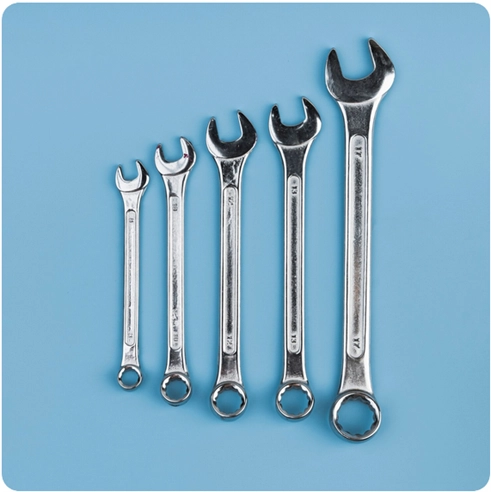
Ratcheting Mechanism? What’s That?
Inside the ratchet head are:
Gear teeth (on the rotating drive) and A Pawl (a spring- loaded catch).
When you push the handle the pawl locks into the gear teeth and turns the bolts. When you pull back the pawl slips over the teeth and rest without turning the bolt. And this makes tightening/loosening much faster, especially in tight spaces.
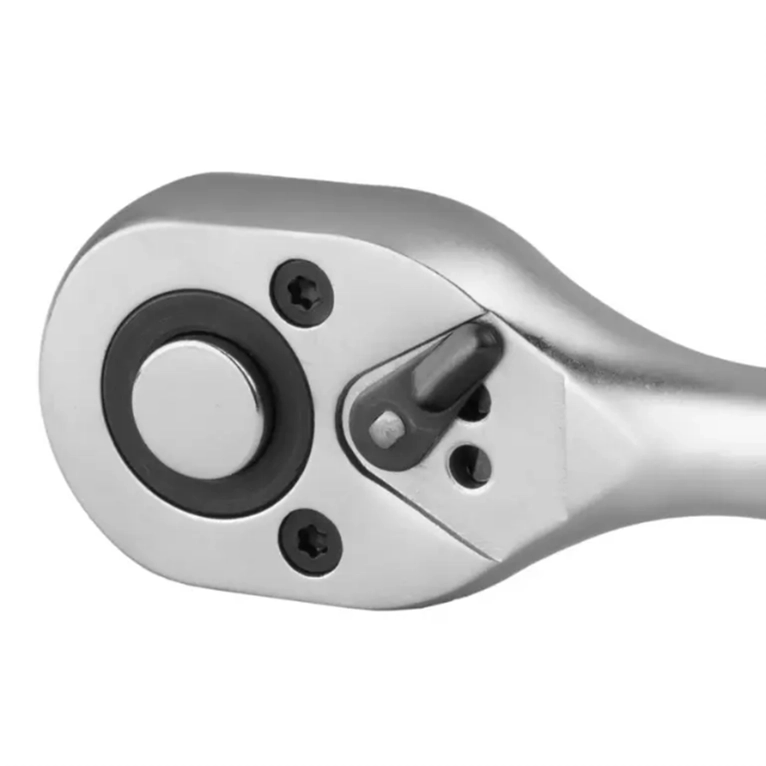
Parts of a Ratchet Wrench
The ratchet wrench is a hand tool made of several key parts that work together to tighten or loosen fasteners quickly. Its internal mechanism lets you keep turning in one direction without taking the tool off the fastener.
- Handle: The part you grip to apply force
- Ratchet Head: Lets the tool turn in one direction continuously
- Direction Switch (clockwise/counterclockwise): Changes tightening or loosening mode
- Drive Square: Where the socket connects
- Quick-Release Button (some models): Allows fast socket removal
Drive Sizes of a Ratchet Wrench
Ratchet wrenches come in different drive sizes. Each size is used for different types of work. Let’s look at them below:
- 1/2-inch drive
For bigger bolts, automotive suspension, heavy work.
- 3/8-inch drive
The most common. Good for cars, general home use.
• 1/4-inch drive
For small bolts, electronics, appliances, bikes.
- 3/4″ and 1″ drive
Industrial, heavy machinery.
Usage of a Ratchet Wrench
The ratchet wrench is a handy tool that works well for many jobs. You can use it for fixing cars, bikes, and motorcycles. It’s also good for working on machines, doing building work, and fixing things around your house like furniture, engines, and appliances.
What Are They Made of? Material Matters!
To make it simple, here’s a table of common wrench materials:
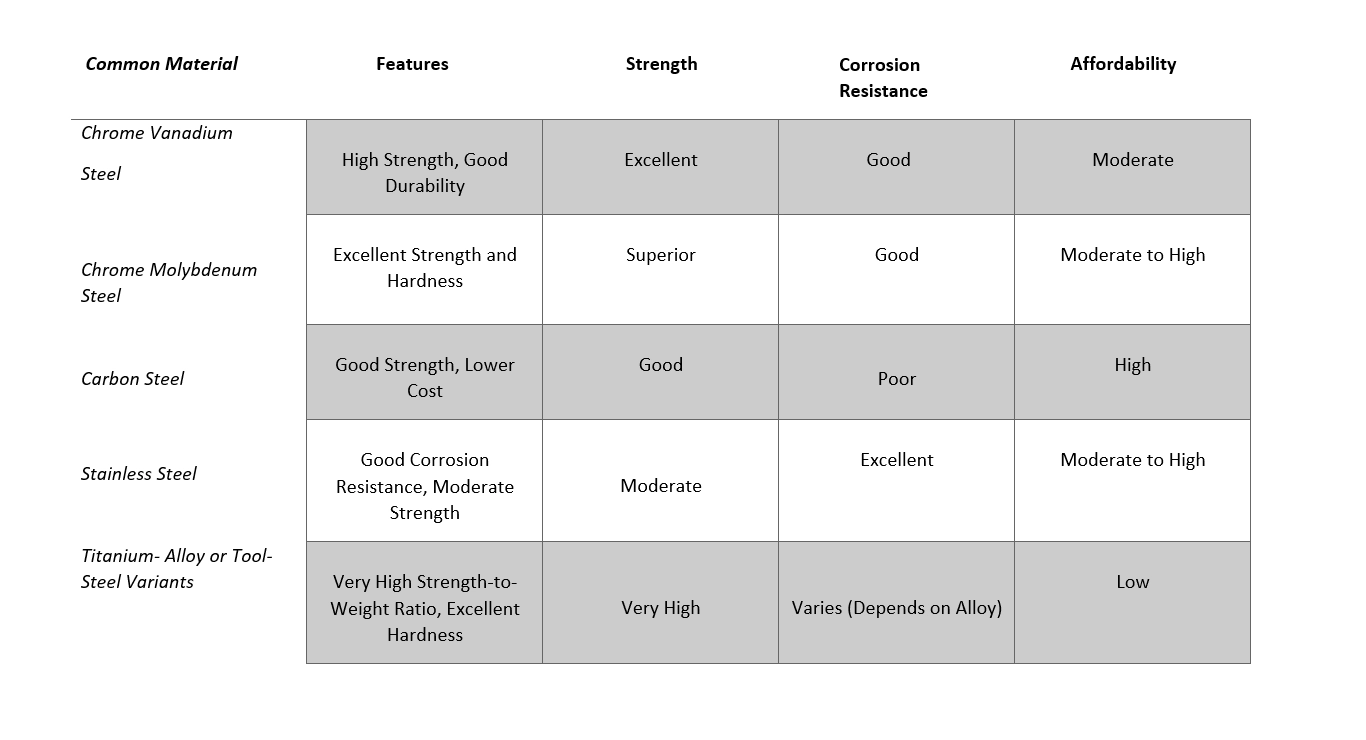
In the market, best overall material considering affordability and strength is Chrome Vanadium Steel.
Chrome vanadium steel makes wrenches super strong, rust-resistant, and affordable.
I know I know; the question still stands:
Socket Wrench vs Ratchet Wrench: What’s the Difference?
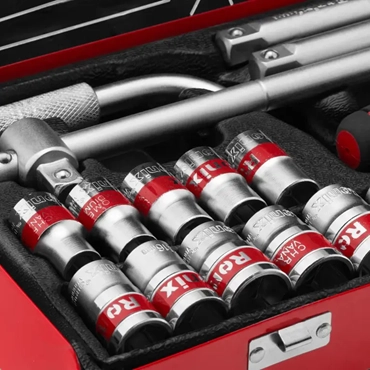
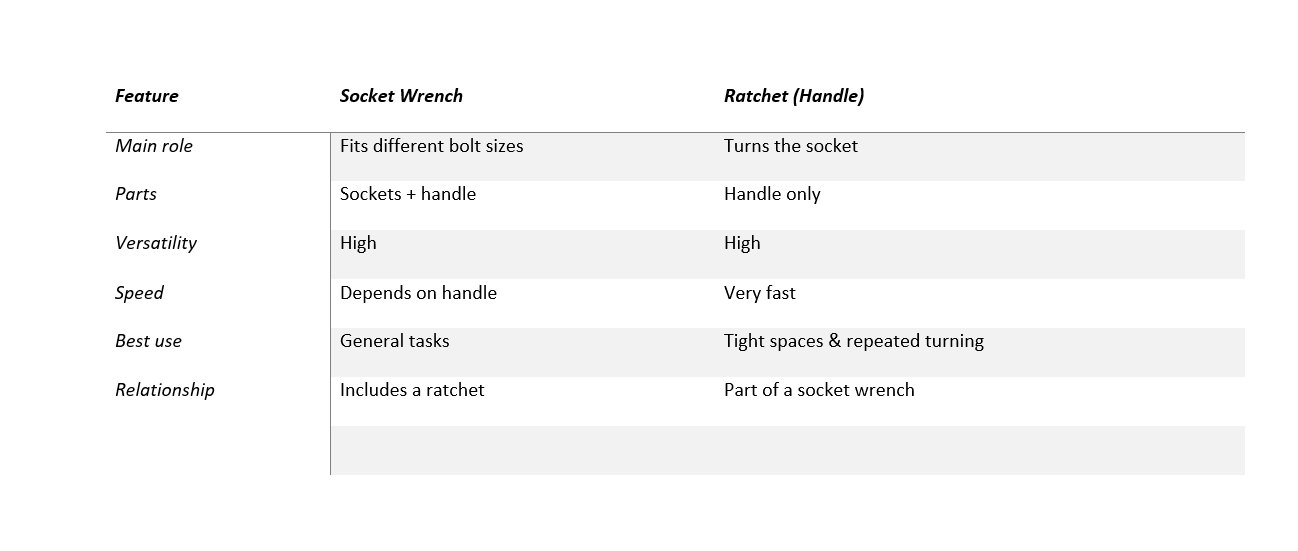
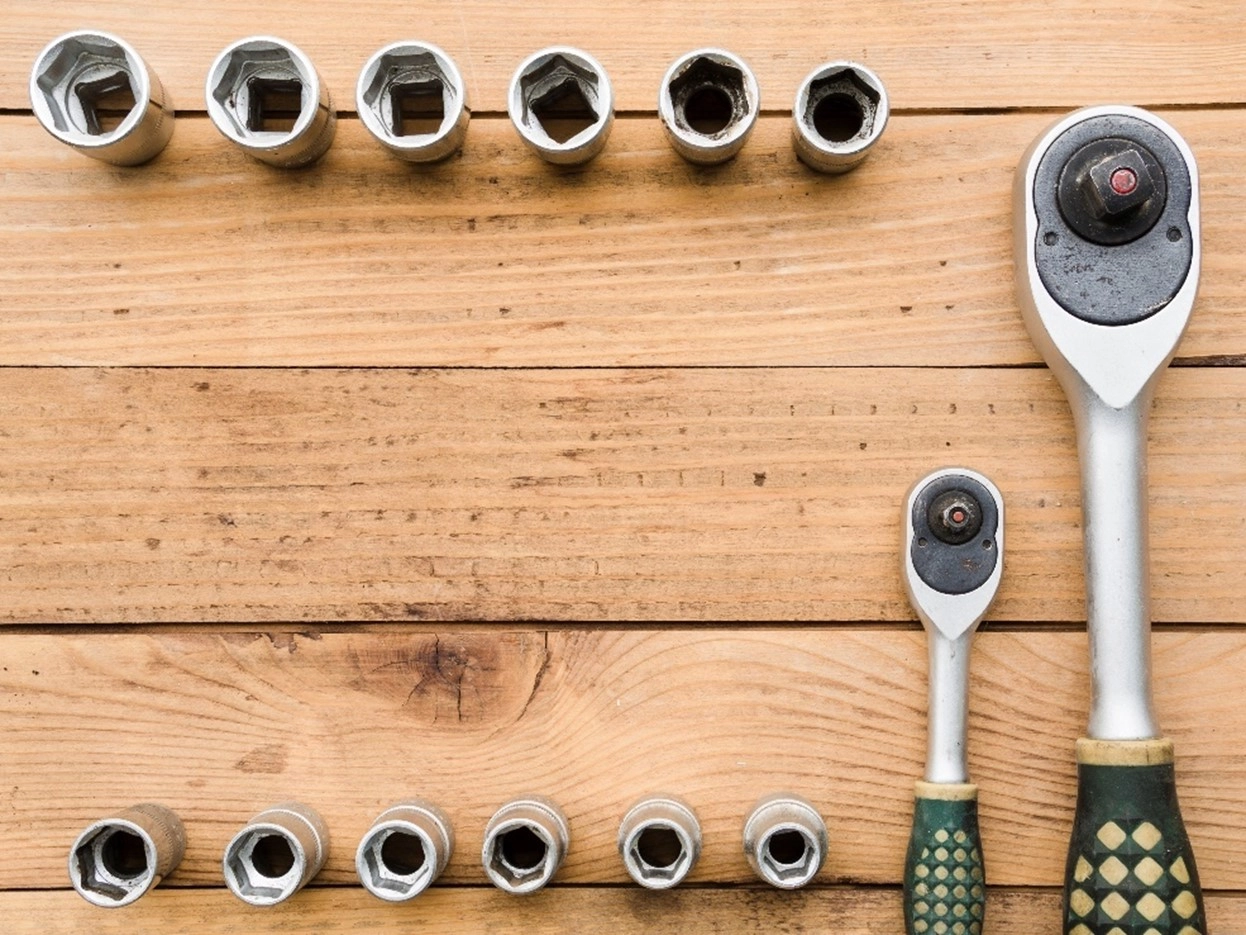
A socket is the part that fits over the nut or bolt, giving you the right grip for different sizes. A ratchet is the handle that turns the socket, using a mechanism that lets you move back and forth without removing it.
When you use them together, they form what most people call a socket wrench. So instead of socket wrench vs ratchet, you actually use both: the socket grips the bolt, and the ratchet makes turning it fast and easy.
Conclusion
Both tools play an important role in the ratchet vs socket wrench discussion. Sockets give you the right fit for different bolts, while the ratchet makes turning faster and easier.
Together, they form one complete tool system that helps you work more efficiently.
If you enjoy fixing things, having a socket set with a ratchet means you’re ready for almost any job.
Now, It’s Your Turn!
We’ve talked about the differences between socket wrenches and ratchets, how they work together, and how to choose the best wrench for your needs. But the real story lies in your experiences!
Do you have a socket set with a ratchet handle in your toolbox? Perhaps a favorite individual ratchet wrench you swear by? Or maybe you’re in the market for new tools and are weighing your options?
We’d love to hear from you!
- What wrenches do you own, and how satisfied are you with them?
- What’s been your best (or worst!) experience using these tools?
- If you’re planning to buy, which models or brands are you considering, and why?
Please share your insights, experiences, and recommendations in the comments section below. Your knowledge can be a great guide for others!

Ronix
28 April 2026