- 3min
- 678
- 0
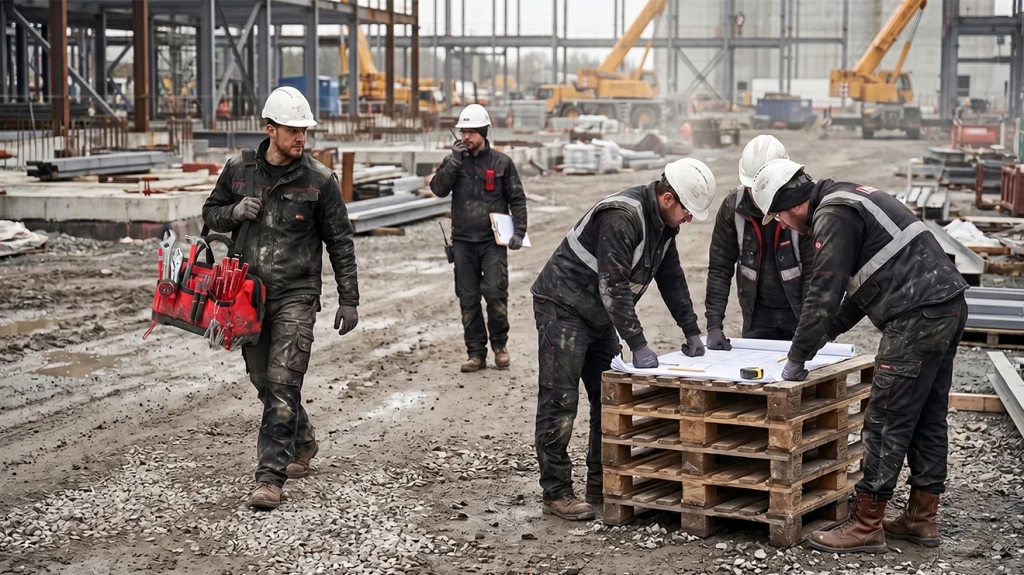
For years, safety conversations in construction mostly focused on training, compliance, and jobsite behavior. In 2026, that conversation is shifting toward something more practical: the tools crews use every day. Construction Safety Week 2026, held from May 4 to May 8 under the theme “All In Together,” brought renewed attention to serious injury prevention, fall protection, and hazard awareness across the industry. But beyond the campaigns and workshops, another trend quietly emerged: contractors are becoming more selective about the tools they bring onto the jobsite. The reason is simple. Safer equipment often leads to faster work, fewer interruptions, and lower operational risk.
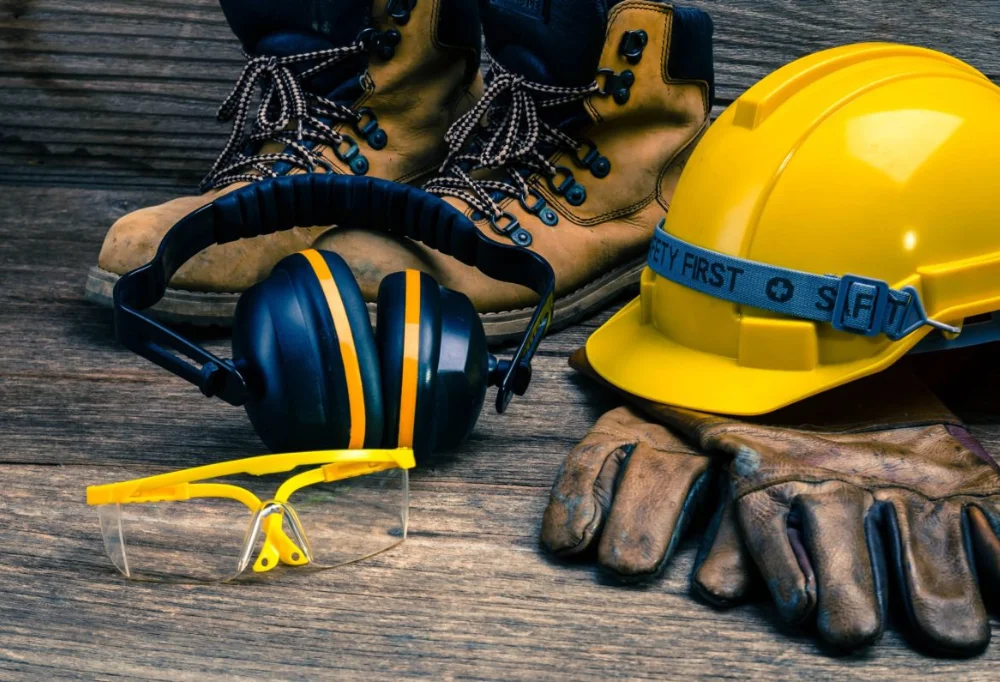
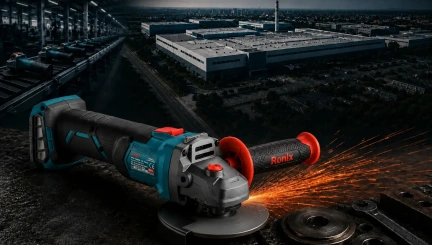
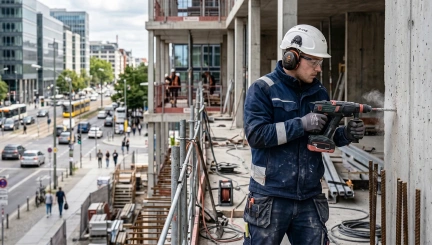
Across commercial and industrial projects, buyers are paying closer attention to ergonomics, control, visibility, dust reduction, and cordless mobility. Instead of focusing only on power and price, many contractors are now evaluating whether a tool can help reduce fatigue, improve handling, or make repetitive tasks safer for crews working long hours in demanding conditions. Some manufacturers are already responding to this shift by integrating advanced safety-focused features into heavy-duty construction tools. In rotary and demolition hammers, technologies such as anti-vibration systems (AVS) and overload safety clutch mechanisms are becoming increasingly important for reducing operator fatigue and minimizing kickback-related injuries during demanding applications. Models such as Ronix 2635 and Ronix 2632 rotary hammers, as well as the Ronix 2818 demolition hammer, reflect this trend by combining high demolition performance with enhanced user protection and ergonomic control.
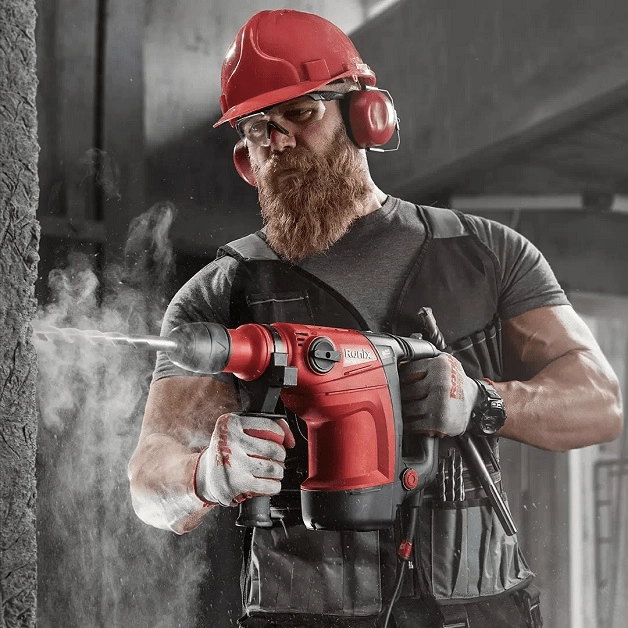
For many contractors, productivity is no longer separated from operator safety. Tools that reduce vibration, improve handling, and prevent sudden torque reactions are increasingly viewed as long-term investments rather than optional features.
Fall prevention remains one of the biggest drivers behind this shift. OSHA’s National Safety Stand-Down to Prevent Falls in Construction took place during the same week, reinforcing the industry’s focus on elevated work risks. That attention is influencing demand for compact cordless tools, better lighting systems, organized storage solutions, and equipment that allows workers to operate more efficiently in tight or elevated spaces. Another major trend is standardization. More contractors want crews using the same battery systems, familiar controls, and predictable tool platforms across multiple projects. The goal is not only productivity it is also reducing mistakes, simplifying training, and improving overall jobsite consistency.
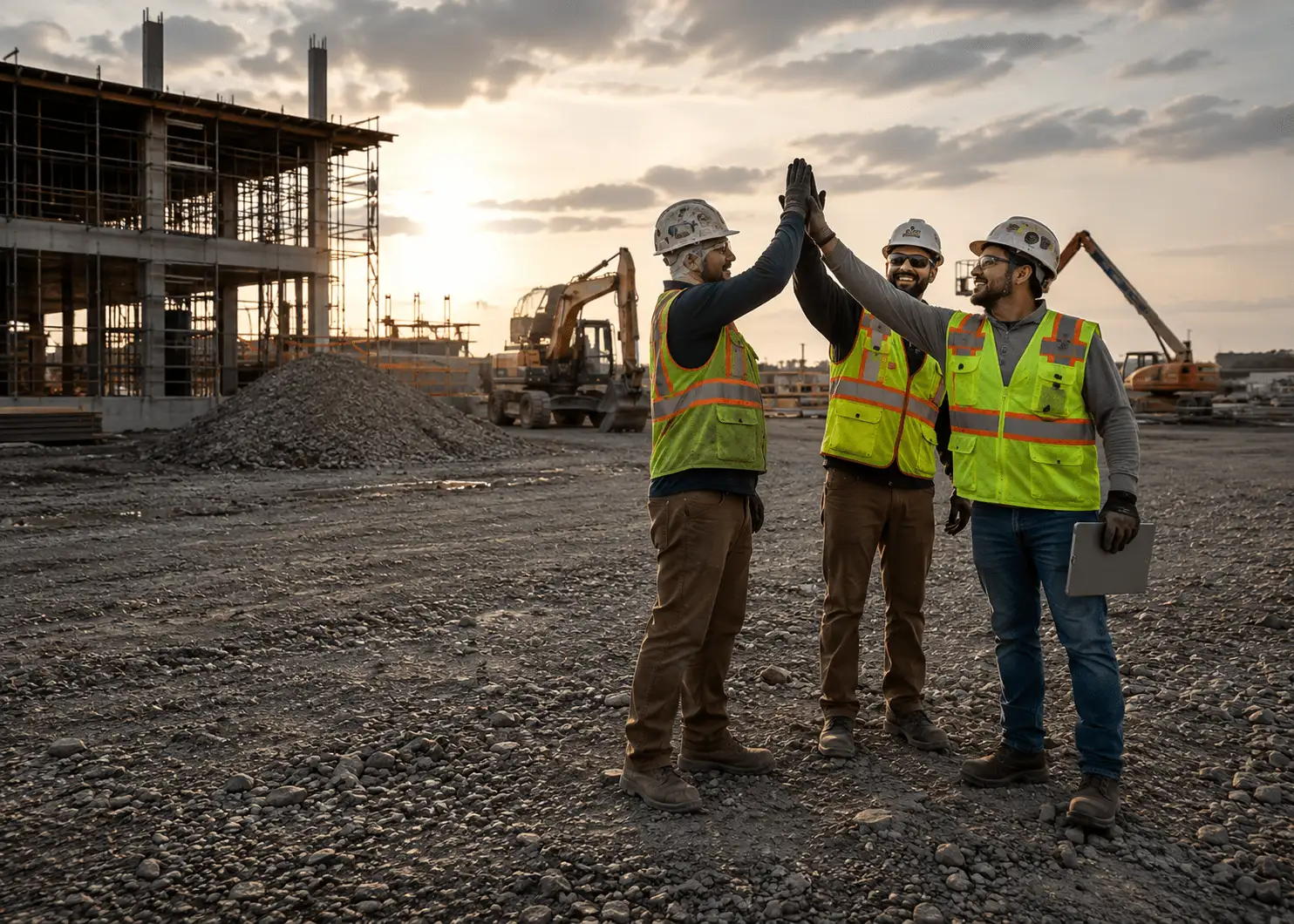
Technology is also entering the conversation. During Safety Week 2026, several large contractors highlighted AI-assisted safety systems and digital jobsite monitoring tools designed to improve hazard response and communication. While these technologies are still developing, they reflect a broader movement toward smarter, more controlled jobsites where safety and efficiency increasingly overlap. For distributors and retailers, this creates new opportunities. Professional buyers are no longer asking only which tools are strongest or cheapest. They are asking which products help crews work with greater control, less strain, and fewer safety risks. That change matters for tool brands as well.

Giselle
12 May 2026