- 6min
- 1032
- 0
Contents
If you have been watching the power tool industry lately, one thing is clear: brushless technology is no longer a premium extra. It is quickly becoming the new standard.
From professional contractors and industrial users to serious DIYers, buyers are paying more attention to tool performance, battery efficiency, durability, and long-term value. That shift is one of the biggest reasons the global power tool market is moving toward brushless technology.
But what exactly is driving this trend, and why does it matter for tool users and suppliers?
Brushless Tools Match What Modern Users Want
Today’s buyers want tools that work harder, last longer and waste less energy. Traditional brushed motors have done the job for years, but brushless motors are built for a more demanding market.
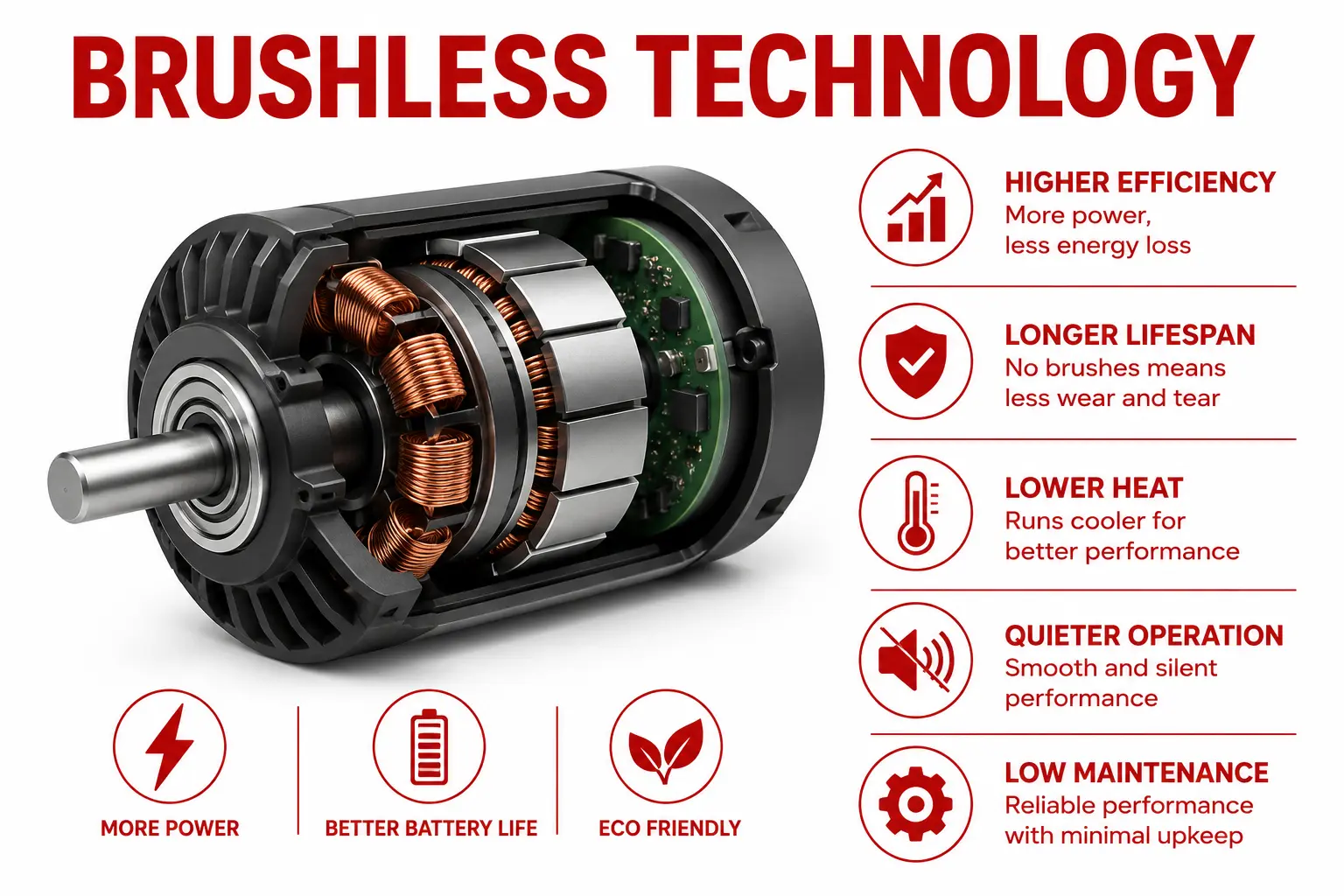
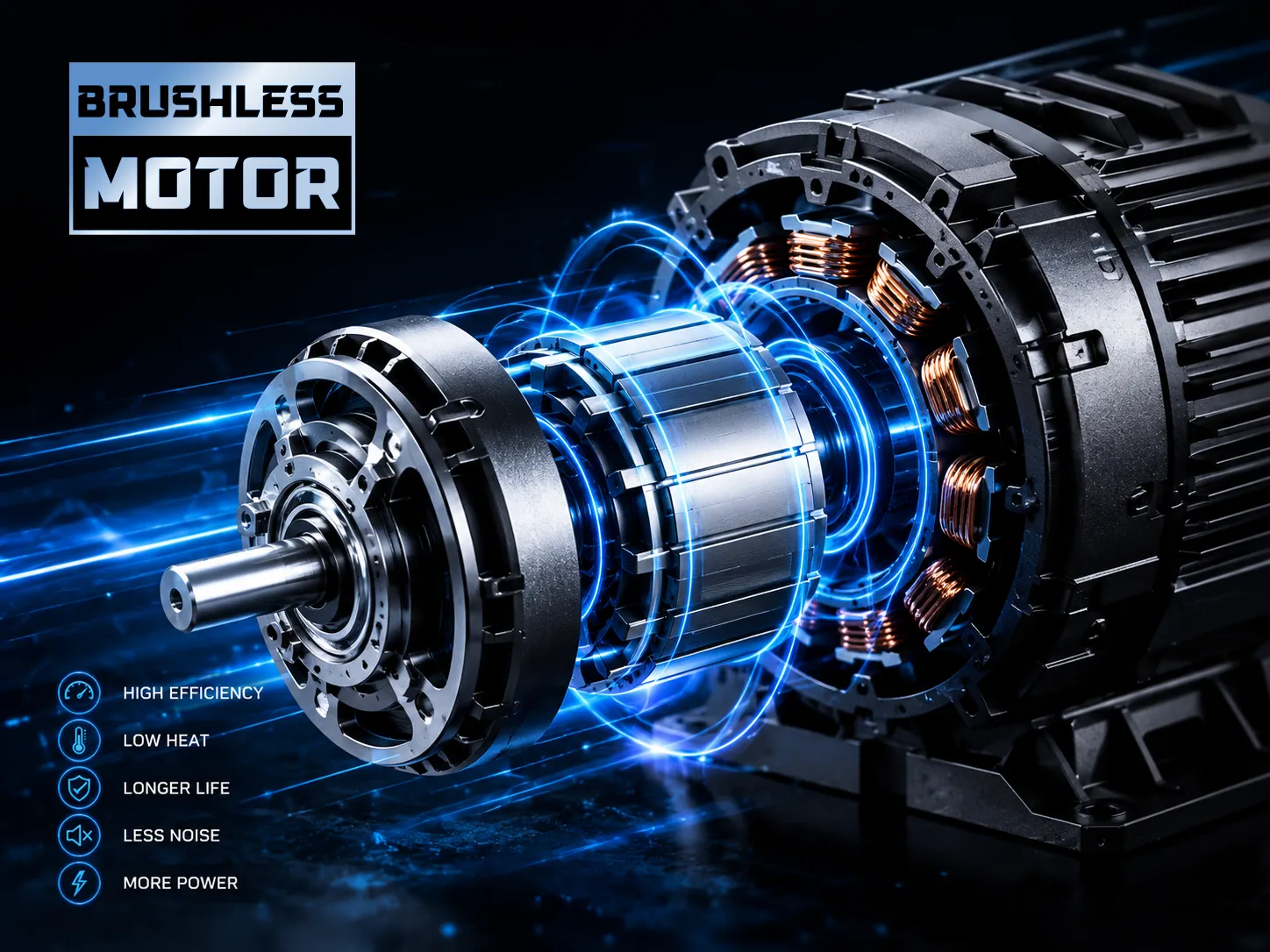
Because they generate less friction, brushless power tools usually offer:
- Better energy efficiency
- Longer motor life
- Reduced maintenance
- Stronger and more consistent performance
- Improved battery runtime in cordless tools
In a market where productivity matters as much as price, that combination is hard to ignore.
Cordless Growth Is Accelerating the Shift
One of the biggest trends in the global power tool market is the continued rise of cordless tools. As battery technology improves, users expect more power from portable tools without sacrificing runtime.
This is where brushless technology has a major advantage.
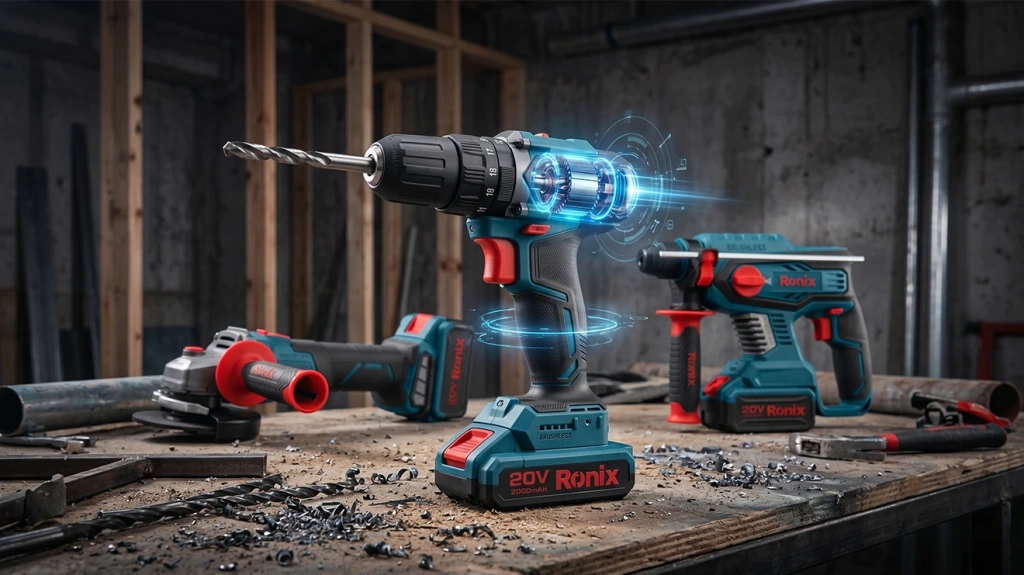
Brushless motors help cordless drills, impact drivers, angle grinders, rotary hammers, and other tools get more out of every charge. For professionals on busy jobsites, that can mean fewer interruptions, less downtime, and more work completed in a day.
As more users move away from corded setups, demand for efficient brushless cordless tools is naturally growing with it.
Runtime and Lower Maintenance Matter More Than Ever
Another reason brushless tools are gaining ground is that runtime and maintenance have become much more important in real purchasing decisions.
On busy jobsites and in commercial workshops, lost time is expensive. A tool that needs frequent servicing, produces more wear, or forces more battery changes during the day may cost less upfront, but it can create hidden operational costs over time.
Brushless tools are often attractive in this context because they help reduce those pain points. With fewer wearing internal parts than brushed alternatives, they generally require less maintenance and are better suited to continuous, demanding use.
For many professional users, that translates into something very simple: more working time and fewer disruptions.
That is also why conversations around brushless technology are increasingly linked to uptime, not just performance specs. Buyers are looking for tools that support smoother operations, especially in environments where delays affect productivity, deadlines, and labor efficiency.
Professionals Are Thinking Beyond Purchase Price
The market is also becoming more value-driven. Buyers are no longer focused only on the upfront price of a tool. They are thinking about total cost of ownership.
A tool that lasts longer, needs less maintenance and performs better under pressure can be a smarter investment over time. That is especially true for:
- Contractors
- Workshop owners
- Industrial buyers
- Tool distributors
- Trade professionals
Brushless tools often make a strong case here. They may sit in a higher category than basic models, but many users see that as a practical tradeoff for reliability and longer service life.
Performance Expectations are Rising Across Categories
The idea that only high-end users care about brushless technology is fading fast. Expectations are rising across nearly every tool category.
Users now expect compact tools to still deliver power. They want heavy-duty tools to stay cooler under load. They want longer runtime from batteries and smoother performance during repeated use.
That means brushless technology is not just a feature anymore. It is becoming part of the baseline conversation when people compare tools.
For brands in the global power tool market, this creates a clear challenge: keep up with changing expectations or risk falling behind them.
New Battery Technology Is Strengthening the Trend
Battery innovation is also playing a major role in the growth of brushless tools.
As battery platforms improve, the market is seeing better energy density, faster charging, longer cycle life, and stronger compatibility across tool ecosystems. These developments are making cordless tools more capable in applications that once depended heavily on corded equipment.
Brushless motors and advanced battery systems reinforce each other. A more efficient motor helps maximize battery output, while improved battery technology allows users to get more practical value from brushless performance.
This matters because buyers are no longer comparing one tool at a time. Increasingly, they are thinking in terms of systems. They want batteries, chargers, and tools that work together to support speed, mobility, and reliability across a wider range of tasks.
That systems-based mindset is helping brushless adoption move faster, especially in professional environments where every gain in efficiency has a visible business impact.
Smarter Tools Fit a Smarter Market
There is also a bigger industry shift happening. The tool market is becoming more connected to themes like efficiency, sustainability, and smarter jobsite productivity.
Brushless motors support that direction because they are designed to use power more effectively. Less wasted energy and better battery use are not just technical benefits. They connect directly to how businesses now think about cost control, workflow and operational efficiency.
In other words, brushless technology fits the mindset of today’s market, where performance and practicality go hand in hand.
What This Means for Brands and Buyers
For distributors, retailers, contractors, and industrial buyers, the move toward brushless technology is more than a passing trend. It reflects a structural change in what the market values.
Brands that are expanding their brushless and cordless portfolios are responding to this shift in demand. That includes companies that are investing more seriously in categories where runtime, reduced maintenance, and battery efficiency matter most to professional users.
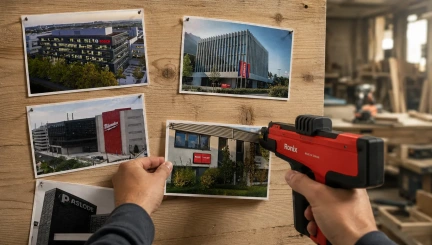
Within Ronix’s own lineup, this direction is already visible across several cordless and professional-use categories. Rather than standing outside the trend, the brand is moving with the same market forces that are reshaping buyer expectations globally.
Framed this way, brushless technology is not just a feature story for Ronix. It is part of a larger industry movement that serious tool brands are expected to understand and answer.
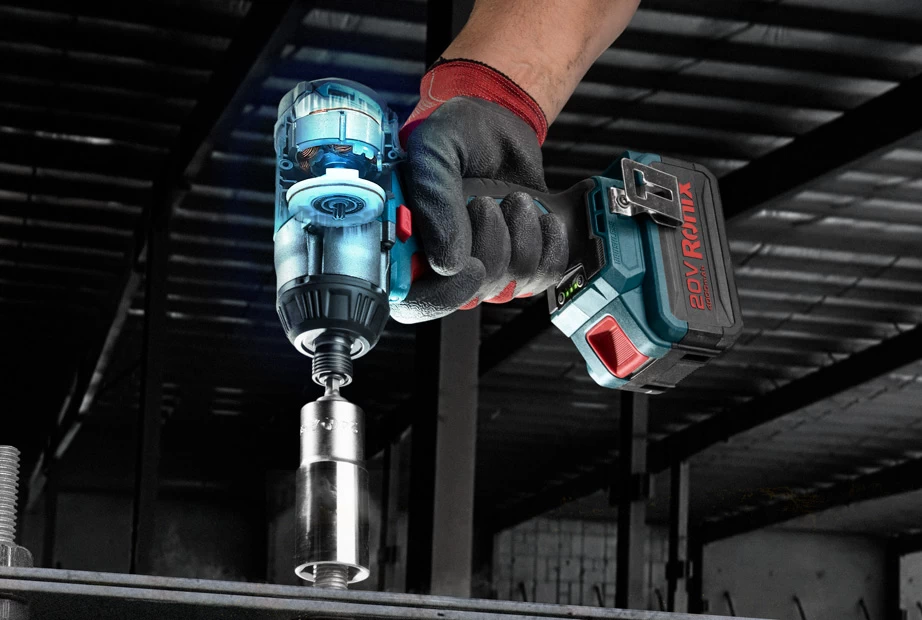
To explore Ronix brushless tools across different categories, visit the Ronix Brushless Series page.
The Future of the Power Tool Market Is Clearly Brushless
The global power tool market is moving toward brushless technology because the reasons are real, not temporary. Better efficiency, longer lifespan, stronger cordless performance and greater long-term value are all shaping buyer decisions.
For distributors, retailers, contractors, and end users, brushless tools are becoming harder to overlook. And as adoption grows, brushless technology is likely to play an even bigger role in how the next generation of power tools is designed, marketed, and chosen.
The direction is clear: users want more from their tools, and brushless technology is helping the industry deliver it.

Giselle
17 May 2026