- 6min
- 628
- 0
Contents
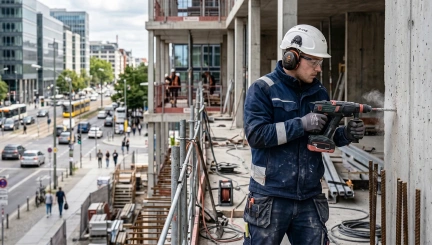
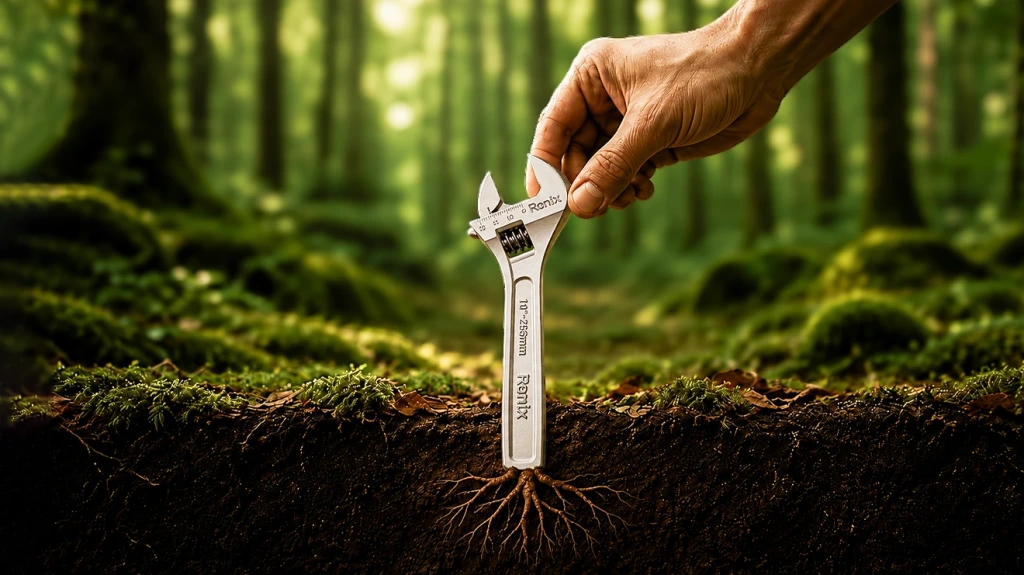
World Environment Day is a reminder to look closely at the products we buy, use, repair, and replace. In workshops, jobsites, and home garages, tools are part of that conversation. When a tool fails too soon, the result is not only frustration. It can also mean another purchase, more packaging, more transport, and more discarded material. That is why durability matters. Choosing long-lasting tools helps users get more value from the products they already own while reducing unnecessary waste. For professionals, it means fewer interruptions and better long-term cost efficiency. For DIY users, it means a more reliable workshop and fewer replacements over time.
For brands in the tool industry, this also creates a clear responsibility: to offer products that support performance, reliability, and longer service life.

Why Durable Tools Matter for Waste Reduction
World Environment Day often focuses on large environmental issues, but everyday product choices matter too. A tool that remains useful for years makes better use of the materials, energy, and resources used to produce it.
In this sense, durability is more than a product feature. It is part of responsible consumption.
When users choose tools that can handle repeated use, they reduce the need for frequent replacement. Over time, this can mean fewer broken tools, less packaging waste, and better use of resources in workshops, jobsites, and repair tasks.
Durability also supports long-term value. The materials, energy, and labor used to make a product deliver more benefit when that product stays in service for years instead of months.
How Short-Lived Tools Create More Waste
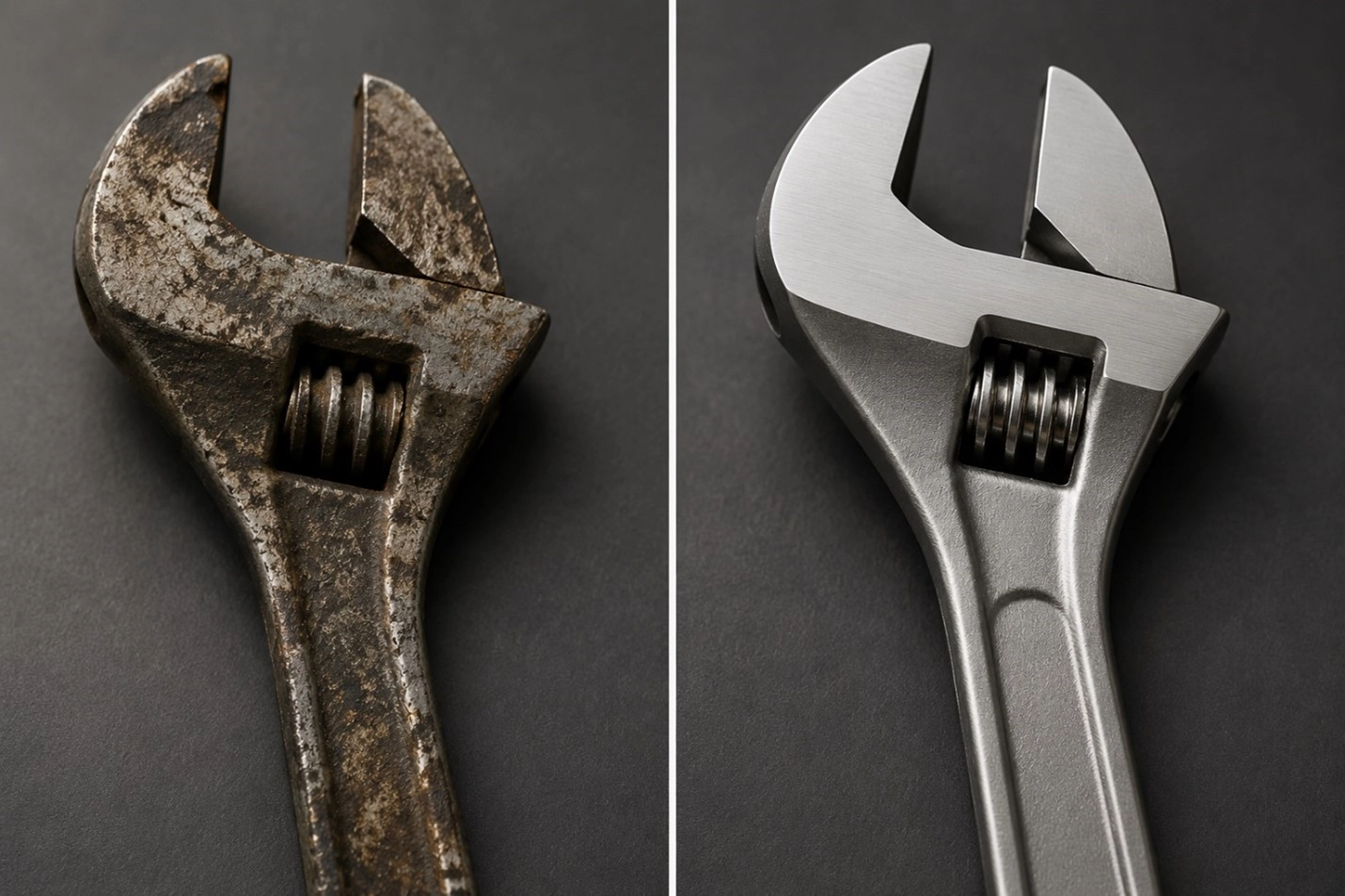
Low-cost, low-quality tools may seem economical at first. But when they wear out quickly, break under regular use, or need to be replaced too often, the real cost becomes higher.
This problem is part of a much larger global waste challenge. According to The Global E-waste Monitor 2024, published by UNITAR and ITU, the world generated a record 62 million tonnes of electronic waste in 2022. The report also states that electronic waste is rising five times faster than documented e-waste recycling, while only 22.3% of e-waste was properly collected and recycled in 2022.
Each replacement can involve new raw materials, production, packaging, shipping, and disposal. One broken tool may not seem significant, but repeated replacement across homes, workshops, and jobsites adds up.
Durable tools offer a more responsible alternative. They help users avoid unnecessary purchases, reduce discarded materials, and get more use from the resources already invested in the tools they own.
A better tool choice today can mean less waste tomorrow. That is where choosing a brand focused on durability and long-term value becomes important.
What Makes Tools Last Longer? Key Durability Factors
A tool’s service life depends on several connected factors, including material quality, manufacturing precision, and component protection. In hand tools, hardened chrome vanadium (Cr-V) steel and 59CrV4 alloy steel are widely used because they provide strong tensile performance, impact resistance, and wear resistance under repeated loading cycles. Proper heat treatment is equally important, as it increases hardness while preserving the toughness needed to reduce the risk of cracking and premature failure.
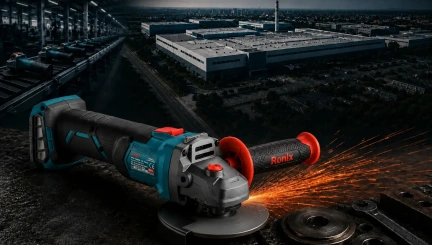
In power tools, motor efficiency and thermal management are critical. Excessive heat is a major cause of component degradation, affecting motor windings, bearings, insulation materials, and electronic controls. Features such as copper-wound motors, high-quality bearings, optimized ventilation systems, and durable gear assemblies help manage operating temperatures and support longer service life.
Ingress protection is another key consideration. Dust particles can accelerate wear on gears, bearings, switches, and electronic components, while moisture can cause corrosion and electrical failure. Protective design features such as sealed bearings, dust-resistant switches, reinforced housings, and advanced cooling channels help tools maintain performance in demanding workshop and construction environments.
Manufacturing precision also plays a significant role. Tighter tolerances in gears, chucks, shafts, and drive mechanisms help reduce vibration and uneven load distribution. Lower vibration not only improves user comfort but also reduces mechanical stress on internal components, helping tools remain reliable over extended periods of use.
When these engineering factors work together, tools are better equipped to handle long operating hours and repeated work cycles. This reduces the need for frequent replacement and makes more efficient use of the materials, energy, and resources invested in their production.
A Greener Workshop Starts with Better Tool Habits
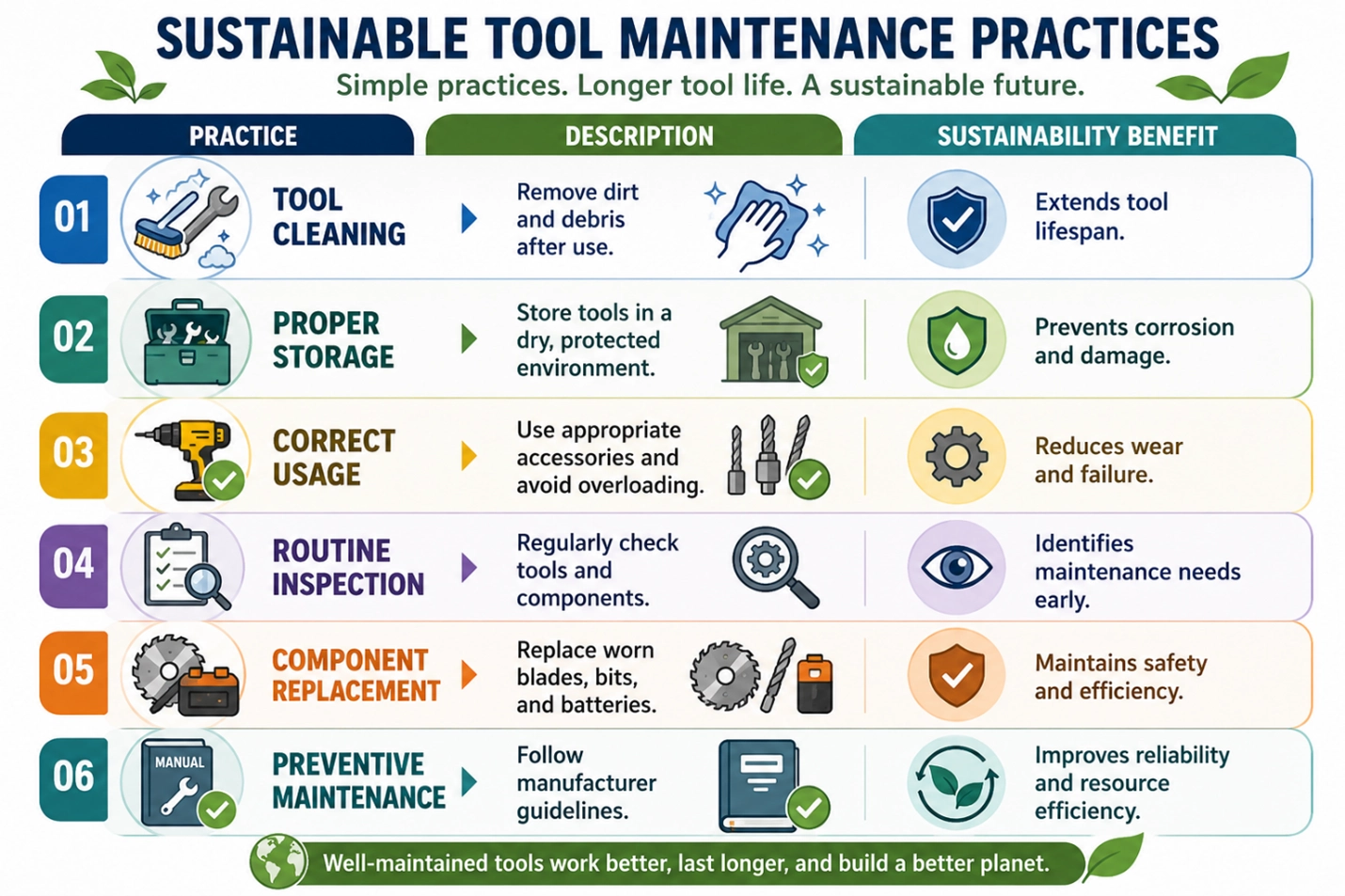
Buying durable tools is only one part of reducing waste. How tools are used, stored, and maintained also affects how long they last. Simple habits can make a real difference: Clean tools after use. Store them in a dry, protected place. Keep dust and moisture away from sensitive parts. Use the correct accessories for the job. Avoid overloading tools or using them beyond their intended purpose. Regular inspection also helps. Worn blades, bits, batteries, and accessories should be checked and replaced when needed. Following the user manual and maintaining tools properly can improve reliability, safety, and working efficiency. A more sustainable workshop comes from better habits and tools that are built to last.
Final Thought: Build More, Replace Less, Waste Less
World Environment Day reminds us that waste reduction starts with practical choices. In workshops, jobsites, and homes, choosing durable tools is one simple way to avoid premature replacement and make better use of valuable resources.Long-lasting tools deliver more than dependable performance. They help users work with greater confidence, reduce waste over time, and get more from the products they own.This World Environment Day, make durability part of the way you work.
FAQ
Why does tool durability matter for the environment?
Durable tools stay useful for longer, which can reduce the need for frequent replacement. This helps lower unnecessary waste from broken tools, packaging, shipping, and discarded materials.
How do short-lived tools create more waste?
When tools wear out quickly or break under normal use, users often replace them sooner. Each replacement may involve new raw materials, production, packaging, transportation, and disposal.
How does buying durable tools support waste reduction?
Buying durable tools helps users get more value from the products they already own. It can also reduce premature replacement and support smarter, more responsible consumption.

Hannah
7 June 2026