- 14min
- 1128
- 0
Contents
Have you ever turned on a tap and wondered how water travels from a well, tank, or underground source to where you need it? That movement often depends on a water pump. From supplying homes and irrigating farms to draining flooded areas and supporting industrial systems, water pumps handle many everyday and professional tasks.
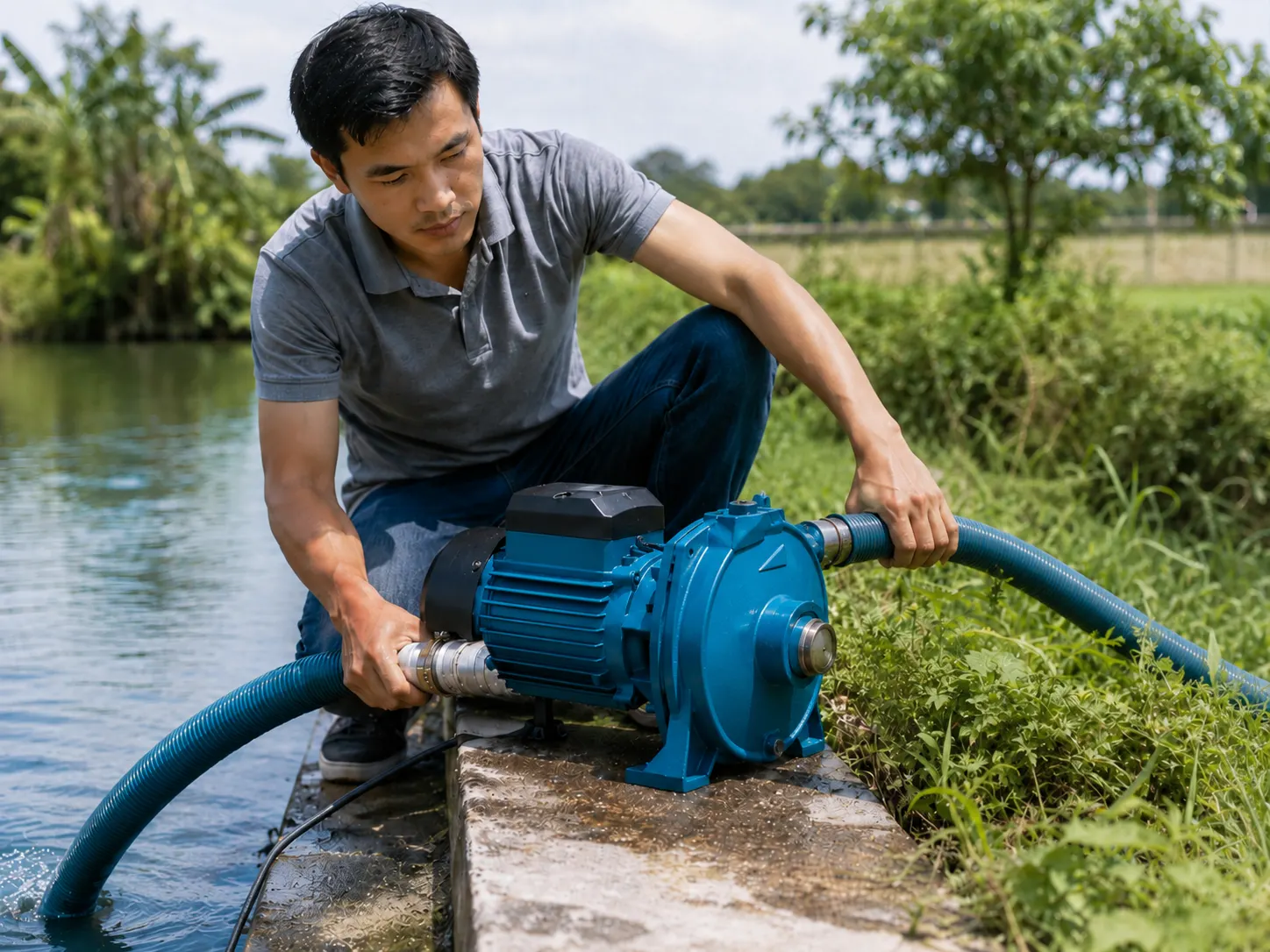
In this guide, we explain what a water pump is, how it works, the main types of water pumps, common water pump uses, basic installation steps, and simple water pump maintenance tips to help you choose and care for the right pump.
Win Big with Our Profitable Deals on Bulk Water Pumps
What Is a Water Pump?
The first question that comes to mind is: What is a water pump?
The answer is simple! A device used to move water from one place to another. Think about a home that needs water from a well, a flooded basement that needs draining, or a farm that needs irrigation. In all these cases, a water pump helps move water by creating flow and pressure.
Water pumps can be powered by electricity, diesel, gasoline, or solar energy, depending on the model and where it is used. Water pumps can be used for clean water, dirty water, or increasing pressure in a water system depending on the model. A pump that works well for garden irrigation may not be suitable for sewage or muddy water. That is why understanding the basics of water pumps is important before choosing one.
Water Pump Working Mechanism Explained
The second question to answer is: how does a water pump actually work?
The process is simple: water enters through an inlet, the pump adds movement or pressure, and then the water leaves through an outlet or discharge port. The exact working mechanism depends on the pump type, but the purpose is always the same: to move water efficiently from one point to another.
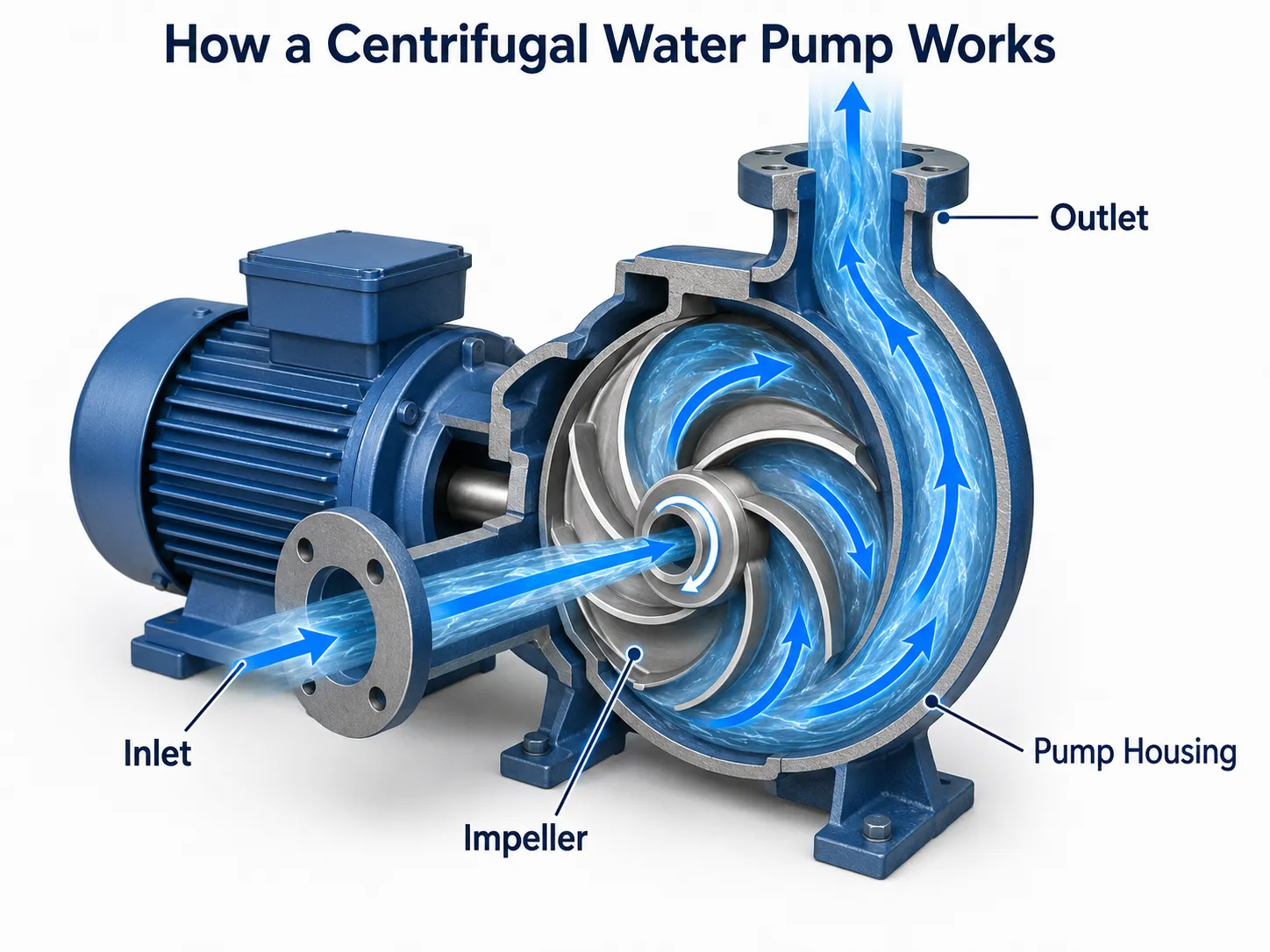
In most common pumps, especially centrifugal water pumps, an impeller spins inside the pump housing. As it rotates, it pushes water outward and helps create the flow needed to move water through pipes or hoses. Other pumps, such as positive displacement pumps, move water by trapping a fixed amount of liquid and forcing it forward. This type of mechanism is useful when a more controlled flow is needed.
The working mechanism also depends on installation conditions. Pipe size, suction height, water quality, discharge distance, and pump power can all have an effect on performance. That is why choosing the right pump is not only about size or power; it is about matching the pump to the water source, working conditions, and required flow rate.
Types of Water Pumps
As we discussed in the previous section, different types of water pumps are designed for different jobs. Here are the most common types of water pumps and where each one is usually used.
- Centrifugal Pump
- Submersible Pump
- Jet Pump
- Booster Pump
- Peripheral Pump
- Self-Priming Pump
- Trash Pump
- Circulation Pump
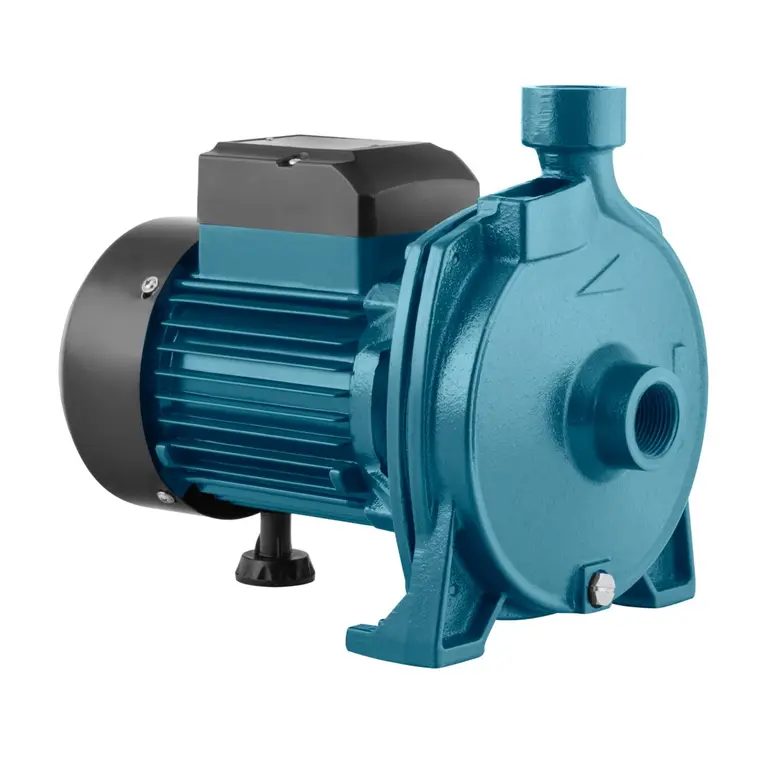
Centrifugal Pump
As one of the most common types of water pump, centrifugal pumps use a rotating impeller to create flow and move water through the pump body. Having a simple structure and good flow performance, this type is mostly used for water movement in residential, agricultural, and industrial settings.
Common Uses:
Water transfer, irrigation, pressure boosting, tank filling, circulation, and general clean-water movement
Pros:
- Common, practical, and easy to operate
- Available in many sizes and suitable for moving clean water in a wide range of flow requirements
Cons:
- Many of them need priming before operation
- Not the best choice for dirty water and sewage
Submersible Pump
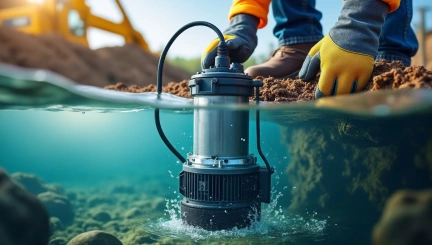
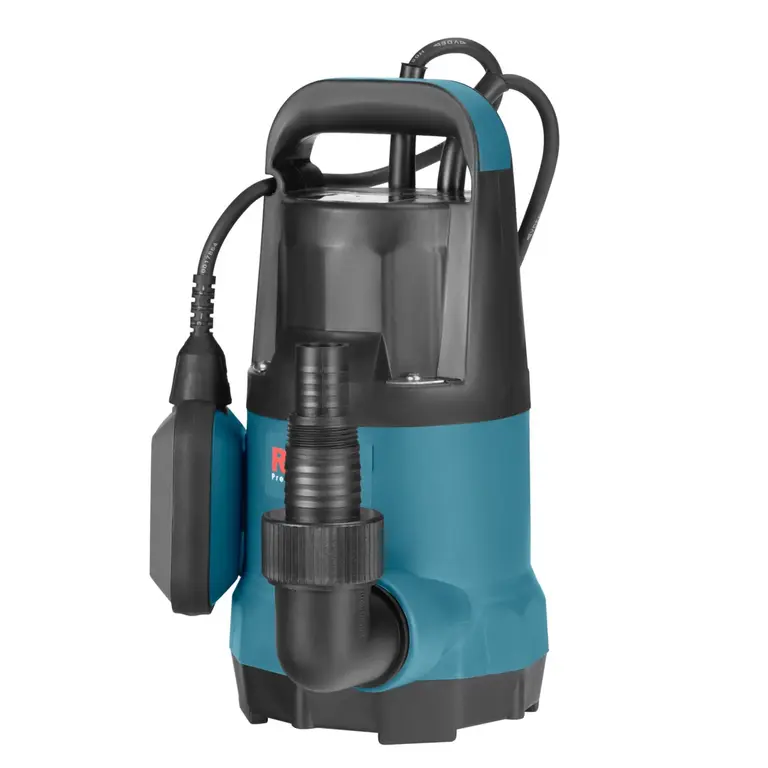
A submersible water pump works while placed inside the water. It pushes water upward or outward from the submerged position. This makes it useful in wells, tanks, basements, drainage areas, and other places where the pump can sit directly in the water.
Common Uses:
wells, drainage, tanks, ponds, basement water removal, irrigation, and some wastewater applications
Pros:
- Often operate with less noticeable noise because the pump is positioned underwater
- Do not usually have the same priming problem as surface pumps
Cons:
- Must be matched to the water type
- Maintenance can be harder because it may need to be removed from the water
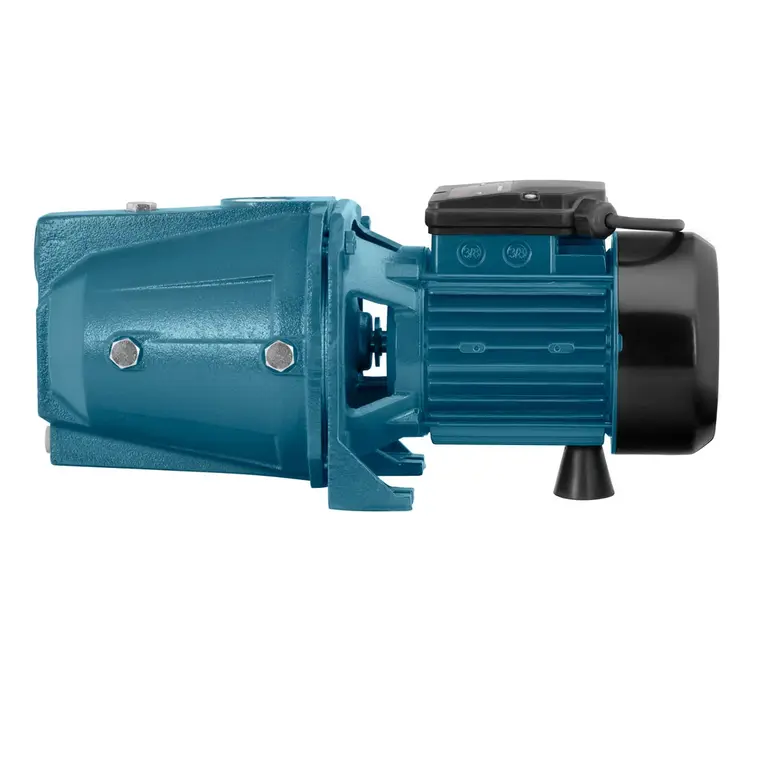
Jet Pump
A jet pump is commonly used in well water systems. It is usually installed above ground and uses suction and pressure to draw water from a well or water source. Jet pumps are often divided into shallow-well and deep-well types, depending on the installation depth and system design.
Common Uses:
Shallow wells, some deep-well systems, household water supply, garden water systems, and water transfer from underground sources
Pros:
- Can be installed above ground, making inspection and service easier
- Convenient for on-site processing and easy to install
Cons:
- Have depth limitations and usually need correct priming
- They are noticeably loud
Booster Pump
One most common use of water pump in homes, buildings, gardens, and commercial facilities, a booster pump is used when the main problem is low water pressure. It does not usually create a new water source; instead, it increases pressure in an existing water line or system.
Common Uses:
Homes with weak water pressure, multi-floor buildings, irrigation lines, water supply systems, and commercial water networks
Pros:
- Can improve weak showers, slow-filling sinks, and overall household water delivery
- Variable-speed booster pumps can adjust their output based on water demand, which may help reduce unnecessary energy use in suitable systems
Cons:
- If the pump is too powerful or poorly matched to the system, it may cause pressure problems
- Require periodic servicing to check pressure settings, seals, and motors to maintain optimal function
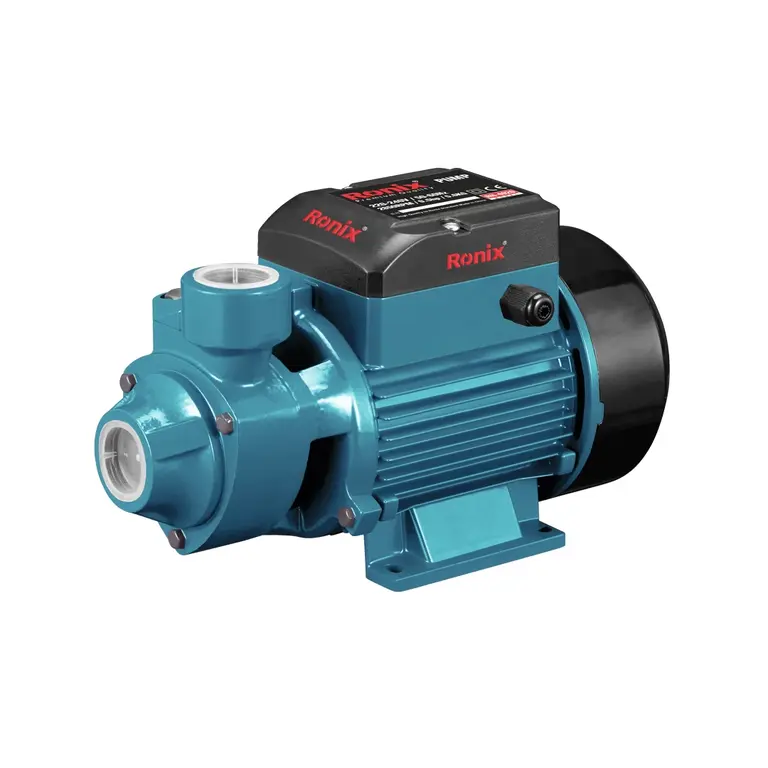
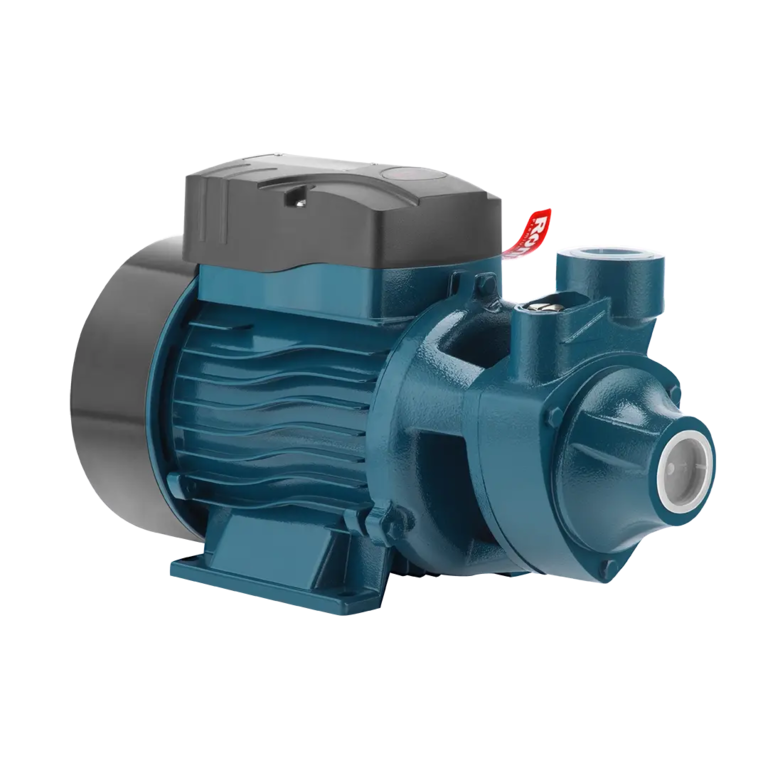
Peripheral Pump
Peripheral water pumps are compact and are often used in light-duty systems where higher pressure is needed with relatively low flow demand. Some models include motor protection features, depending on their design and intended application. Also, some models may include thermal protection to help reduce the risk of motor overheating.
Common Uses:
household water supply, small irrigation systems, tank transfer, and pressure boosting in light-duty applications
Pros:
- Compact, usually simple to install, and can provide good pressure for small systems
- They usually operate with relatively low noise
Cons:
- Not ideal for high-flow applications or dirty water
- Generally, not suitable for high-flow applications and may have limited suction performance
Self-Priming Pump
Self-priming water pumps are designed to handle air in the suction line and restart more easily after initial priming. This does not mean it can run dry freely, but it does make operation easier in applications where the pump may need to start and stop often.
Common Uses:
Irrigation, tank emptying, water transfer, drainage, and general water movement where the pump may not always remain fully filled with water
Pros:
- Easier to restart than standard non-self-priming pumps
- Practical for temporary or repeated water transfer jobs
Cons:
- Still need correct installation and may require initial priming
- Running without water for too long can still damage many pumps
Trash Pump
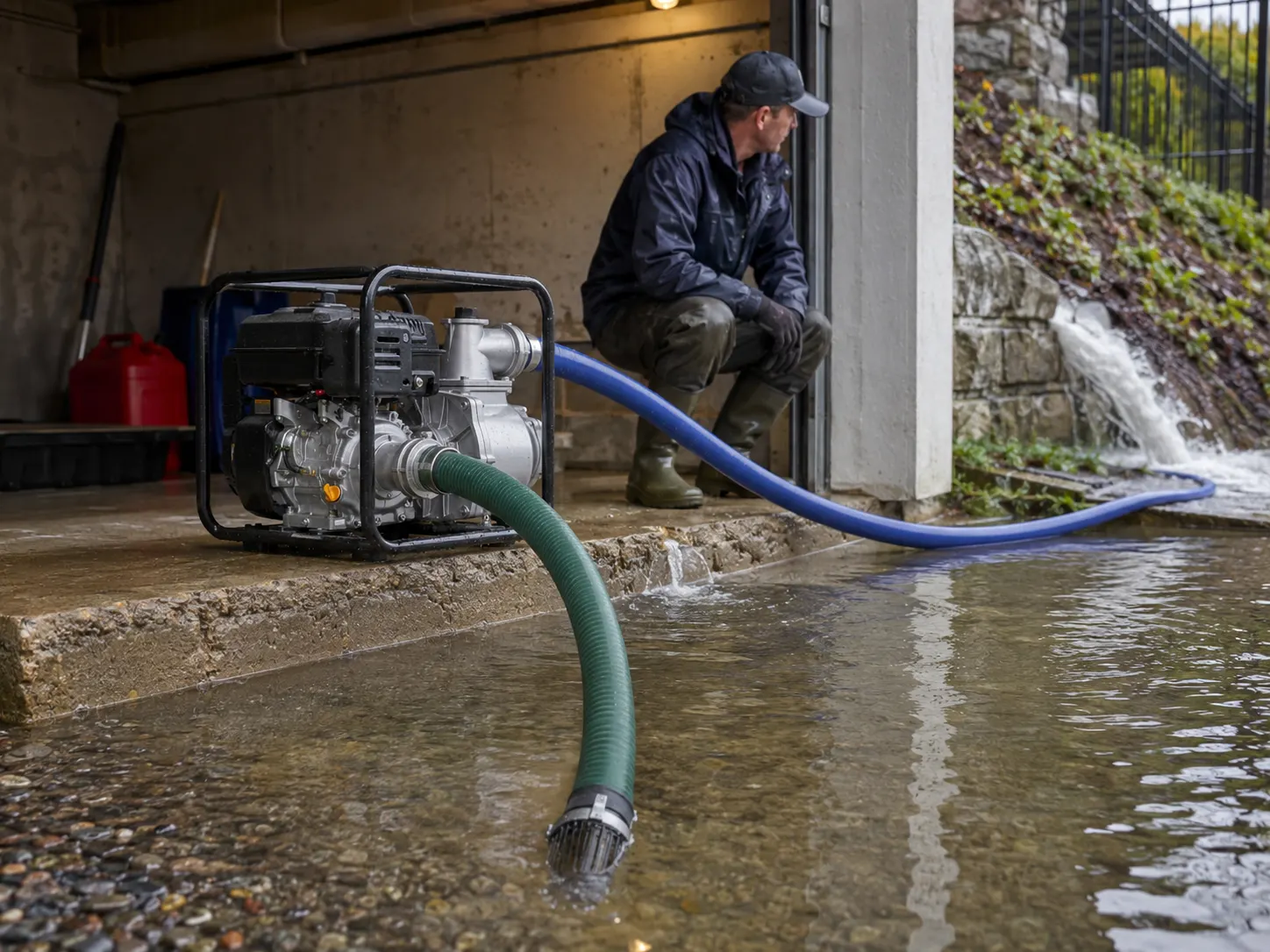
Trash water pumps are built for moving dirty water that may contain mud, leaves, sand, or soft solids, depending on the pump’s rated capacity. This type is different from a clean-water pump because it is designed for tougher drainage conditions.
Common Uses:
Construction site drainage, flood cleanup, muddy water transfer, pond draining, and emergency water removal
Pros:
- Handles debris better than clean-water pumps
- Useful in rough outdoor or jobsite conditions
Cons:
- Usually heavier than basic clean-water pumps and need cleaning after use
- The maximum solid size must always be checked before pumping dirty water
Circulation Pump
A circulation pump is used to keep water moving inside a system rather than simply transferring water from one place to another. It is common in heating, cooling, and hot water circulation systems.
Common Uses:
Heating systems, hot water systems, cooling circuits, and some industrial circulation processes
Pros:
- Helps maintain steady movement in a closed or semi-closed system
- Can support system comfort or efficiency
Cons:
- Not designed for dirty water drainage, deep wells, or general flood removal
- Their use is usually limited to circulation systems
Other types of water pumps include diaphragm pumps, engine-driven pumps, solar-powered pumps, and deep-well pumps, but the types above are among the most practical for general users, homeowners, farmers, and jobsite applications.
Applications of Water Pumps
From small home gardens to large industrial sites, water pump uses include water supply, irrigation, drainage, pressure boosting, circulation, and emergency water removal. Where the water is coming from, where it needs to go, and how much flow or pressure is required are all deciding factors for their application. Some pumps are made for clean water supply, while others are designed for drainage, irrigation, pressure boosting, or emergency water removal.
Residential Applications
At home, daily water access becomes easier with water pumps. Moving water from a well to a house, transferring water from a storage tank, increasing low water pressure, or helping drain unwanted water from a basement, pool, or garden area are all possible with a suitable water pump. A small booster pump may help with low pressure, while a submersible pump may be better for drainage or well water. Moreover, some pumps are also used for hot water circulation or garden irrigation.
Agricultural Applications
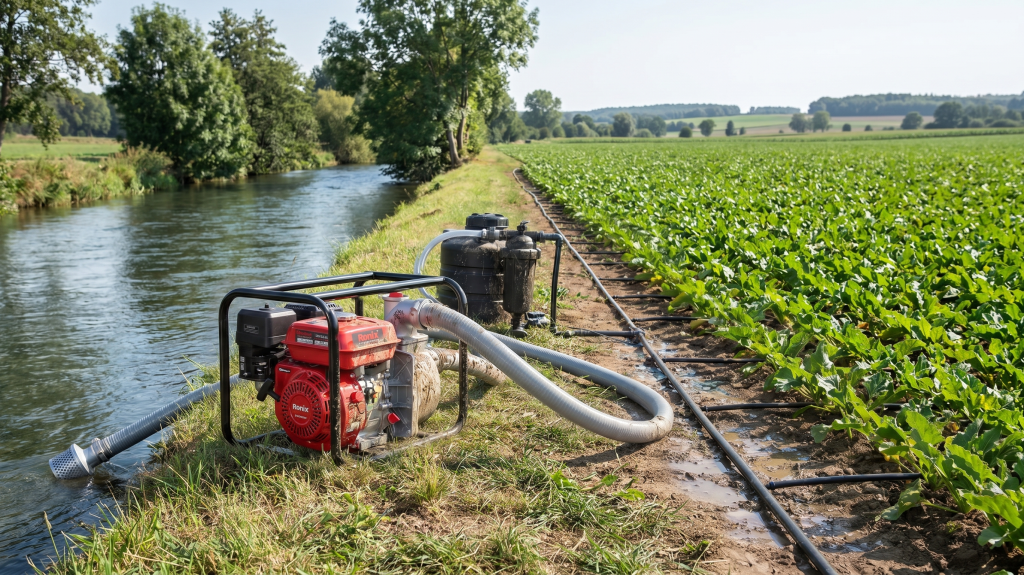
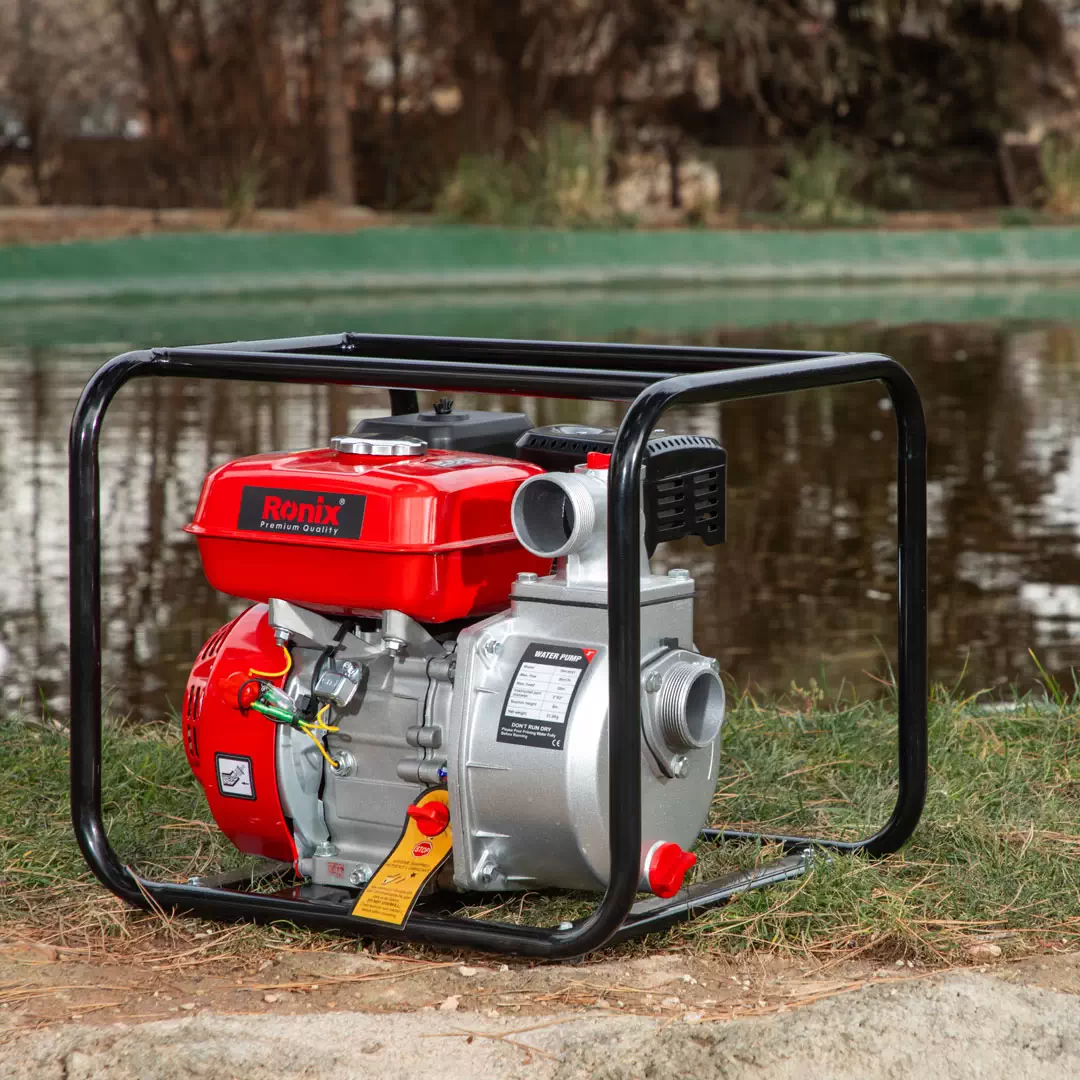
Farmers and gardeners use different types of water pumps to move water from wells, rivers, ponds, or tanks to fields, livestock areas, greenhouses, or irrigation systems. In this area, flow rate, discharge distance, suction depth, and water quality are important factors. For example, a pump used for clean irrigation water may not be suitable for muddy pond water unless it is designed to handle dirt or debris.
Industrial Applications
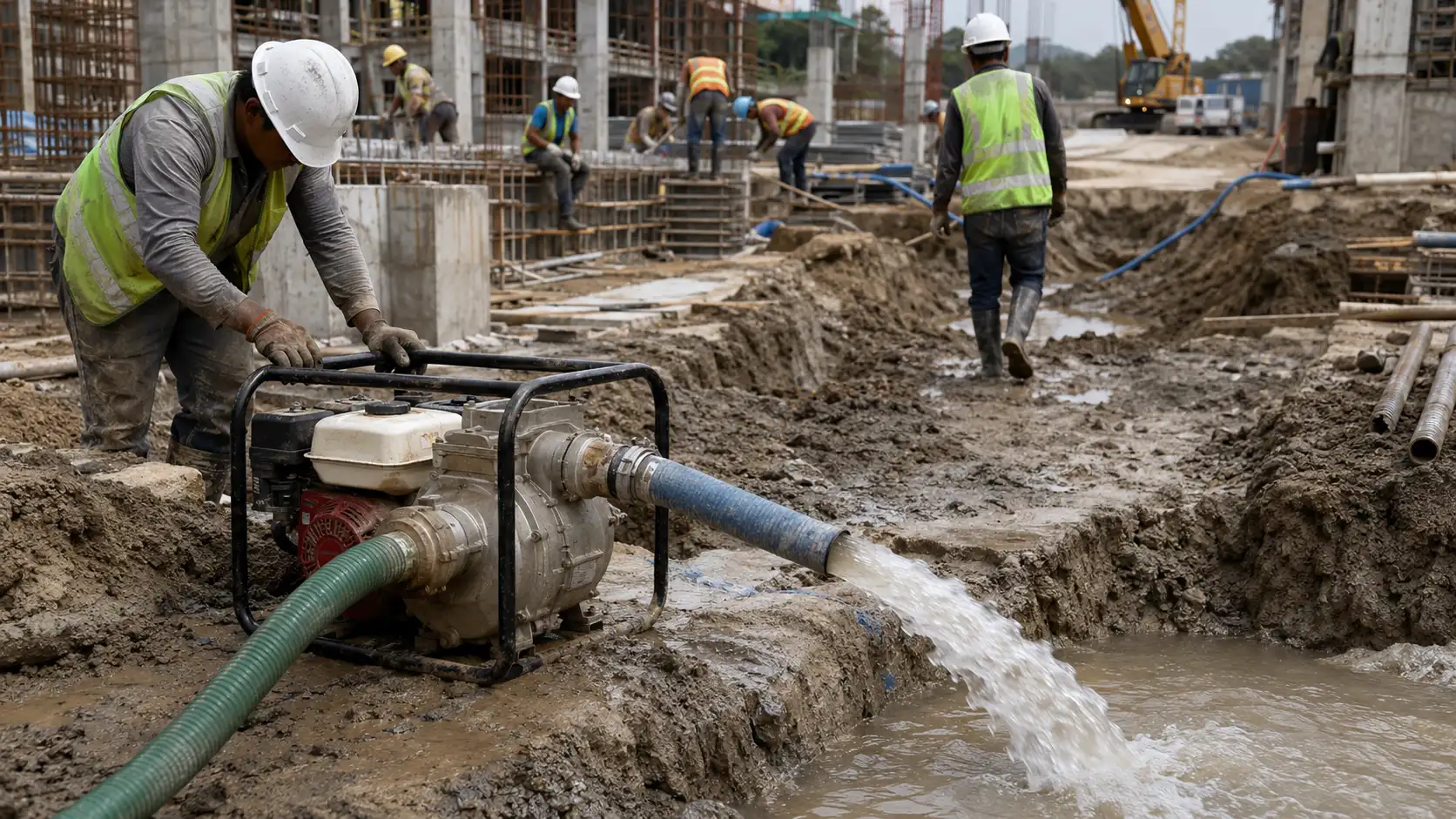
Water pumps support many daily operations in industrial environments. They can supply cooling systems, move process water, remove wastewater, circulate water in equipment, or help with construction site dewatering. Pump selection and water pump maintenance are especially important here and users should check flow rate, pressure, duty cycle, water temperature, and the type of liquid being moved. Using the wrong pump can reduce performance, damage internal parts, or create safety problems.
Emergency Management
In some emergency situations such as after heavy rain, flooding, pipe failure, or storm damage, a pump can help remove unwanted water from basements, roadsides, work areas, or construction sites. Portable submersible pumps, trash pumps, and engine-driven pumps are commonly used when fast drainage or temporary water movement is needed. In such situations, speed matters, but safety matters too. Electric pumps should be used with proper electrical protection, and gasoline or diesel pumps should never be operated indoors because of exhaust gases. The pump should also match the water condition.
Essential Steps for Water Pump Installation
Installing the pump correctly is the other half of the job. If the suction line is too long, the pipe size is wrong, the pump is not primed properly, or the installation area is unstable, you cannot expect a good performance. You always need to check the product manual first and also whether the pump is suitable for the water source, required flow, pressure, and working environment. Here are some steps for correct water pump installation.
1. Choose the Right Location: Place the pump in a stable, dry, and accessible location if it is a surface pump. The base should be firm enough to reduce vibration. For submersible pumps, make sure the pump is placed at the correct depth and is fully suitable for underwater use.
2. Check the Water Source and Pump Type: Check the water source. A clean-water pump should not be used for sewage, slurry, or dirty water unless the manufacturer clearly allows it. For wells, the pump must also match the depth and water level.
3. Use the Correct Pipe or Hose Size: The suction and discharge pipes should match the pump’s required size as closely as possible. Keep the suction line as short and straight as possible, especially for surface pumps.
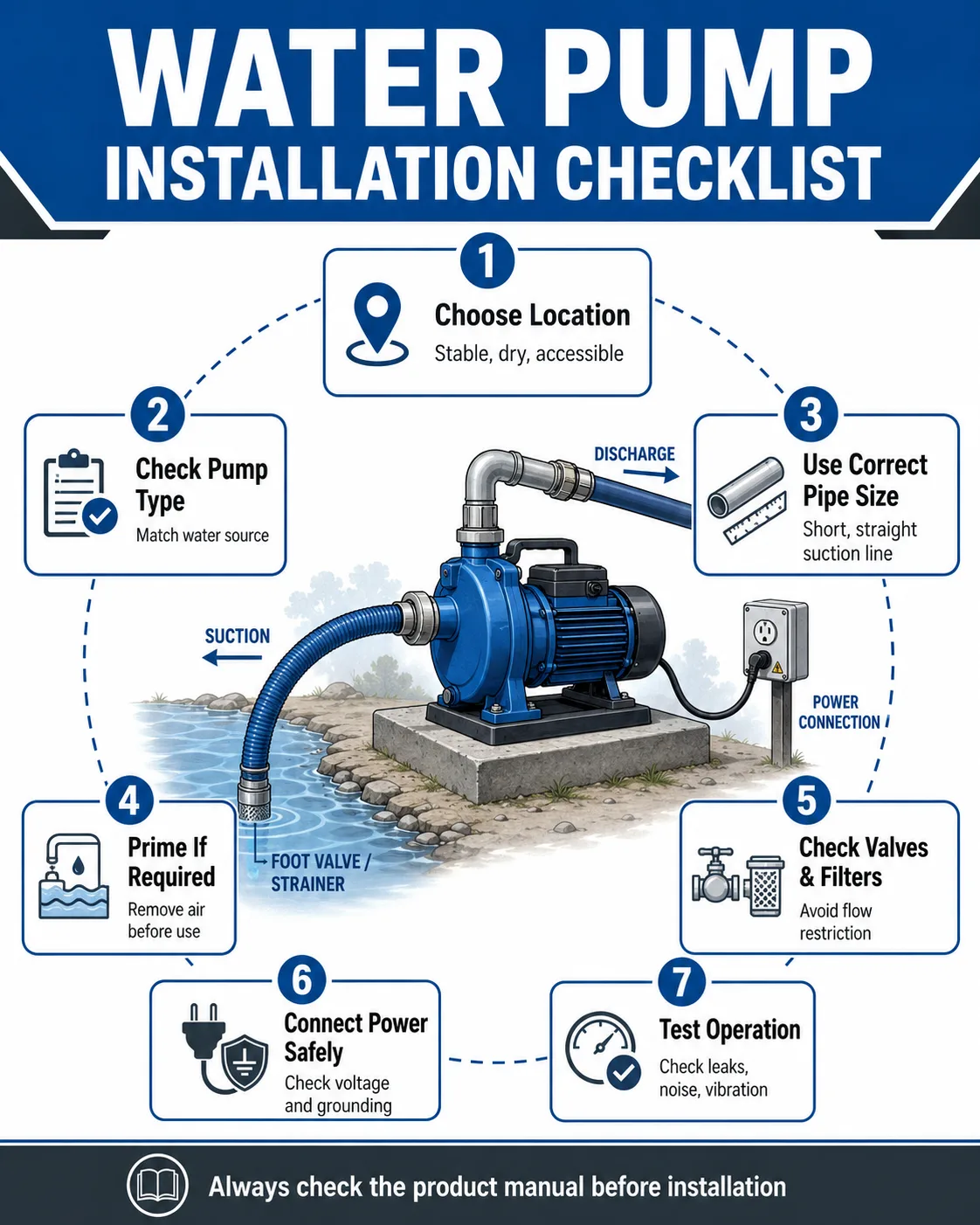
4. Prime the Pump If Required: Some pumps need priming before they can start moving water. If a pump that needs priming runs with too much air inside, it may fail to move water properly or may overheat. Self-priming pumps make this process easier, but many still need initial priming before first use.
5. Check Valves, Strainers, and Filters: Depending on the system, you may need a foot valve, check valve, strainer, or filter. These parts can support smoother operation, but they must be selected and installed correctly to avoid restricting flow.
6. Connect Power Safely: For electric pumps, check the voltage, plug, cable condition, grounding, and protection system before use. For gasoline or diesel water pumps, check fuel, oil, ventilation, and exhaust direction and they should never be used indoors or in poorly ventilated spaces because of exhaust gases.
7. Test the Pump Before Full Operation: After installation, run the pump briefly and observe how it works. Check for leaks, unusual noise, vibration, overheating, weak flow, or pressure problems. If something seems wrong, stop the pump and inspect the setup before continuing.
Water Pump Maintenance Tips
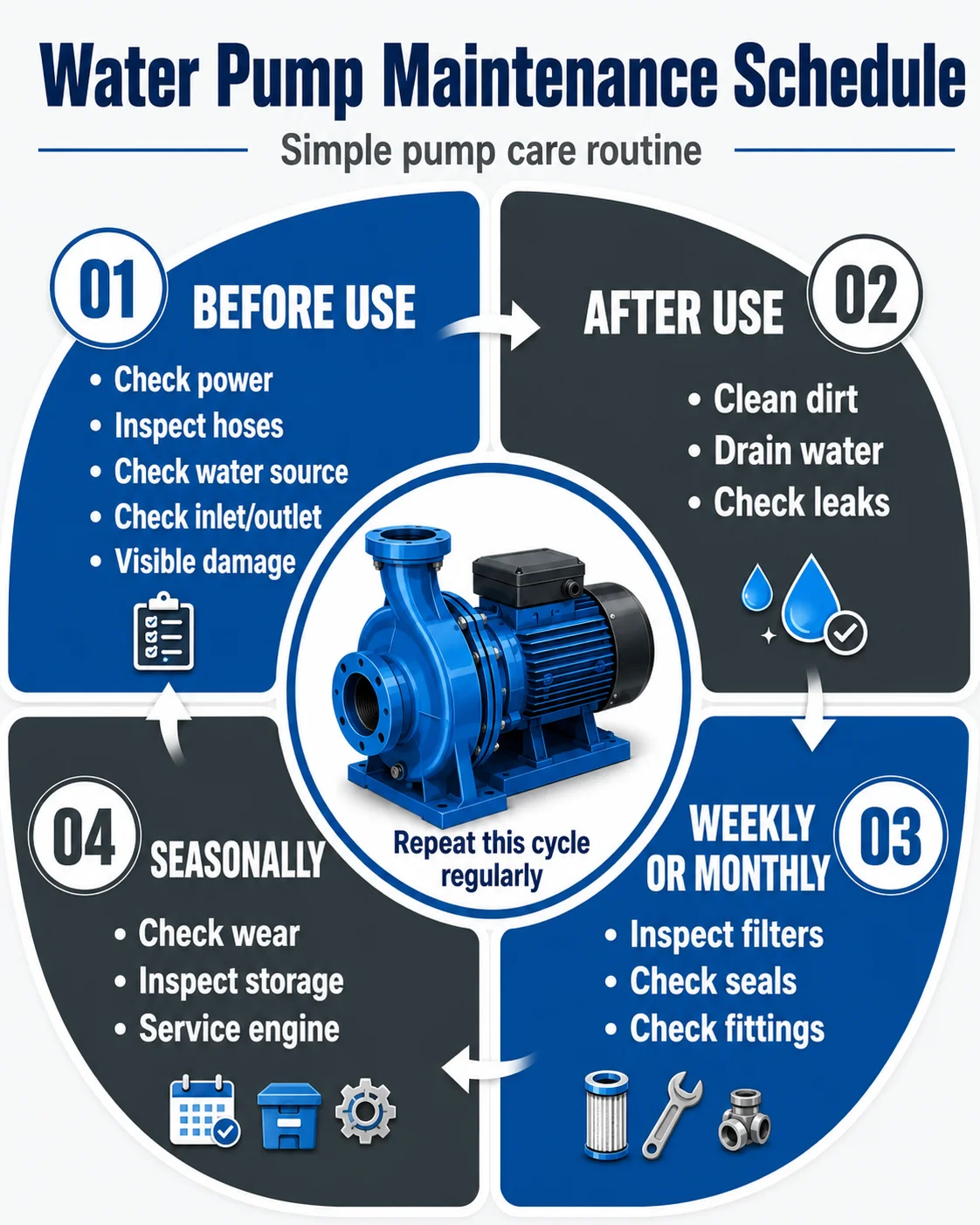
Regular water pump maintenance is not complicated, but necessary. A pump works with moving parts, water flow, seals, filters, and sometimes an engine or electric motor. If dirt builds up, filters clog, seals wear out, or the pump runs dry, performance can drop quickly. Here are some important points to remember.
- Clean the Pump Regularly: Start with basic cleaning. Wipe the outside of the pump. For trash pumps or drainage pumps, cleaning after use is especially important.
- Inspect the Filter and Strainer: Remove and clean filters or strainers regularly, and replace them if they are damaged or worn.
- Watch for Leaks: Check hose connections, pipe joints, seals, and the pump body for signs of water leakage. If leakage continues after tightening connections, the damaged part may need replacement.
- Avoid Dry Running: Before starting the pump, make sure it has water supply, is primed if required, and is not blocked at the inlet.
- Listen for Noise and Vibration: If you hear grinding, knocking, rattling, or unusual vibration, stop and check the pump. Unusual sound or vibration should be treated as an early warning sign.
- Check Pressure and Flow: Abnormal pressure can be a sign that the pump is not working under the right conditions.
- Lubricate Only as Recommended: Use only the lubricant type and interval recommended in the manual. Too much, too little, or the wrong lubricant can reduce performance or damage parts.
- Maintain Gasoline and Diesel Pumps Properly: Check engine oil, fuel condition, air filter, spark plug, and cooling airflow according to the product manual.
- Replace Worn Parts on Time: Replace damaged or worn parts as soon as possible and use suitable spare parts recommended for the pump.
- Store the Pump Correctly: When the pump is not in use, clean it, drain remaining water if needed, and store it in a dry, protected place.
Conclusion
So, what is a water pump in everyday terms? It is a practical tool that helps move water where it is needed, whether that means supplying a home, watering a field, draining a flooded area, or supporting an industrial system. But the right choice depends on the job. Understanding the main types of water pump, common water pump uses, installation basics, and water pump maintenance tips can help users support better performance and service life from their equipment.
The most important rule is simple: match the pump to the water source and application. Clean water, dirty water, deep wells, low pressure, irrigation, and emergency drainage all need different solutions. When the pump is selected correctly, installed properly, and maintained regularly, it becomes a reliable part of any water movement system.

Scott
24 June 2026