- 10min
- 140
- 0
Contents
When you crack open a submersible pump for the first time, it doesn’t feel like “one unit.” It’s more like a stack of parts squeezed into a tube, all depending on each other. And everything’s expected to work underwater, under pressure, sometimes for months without anyone touching it. That’s the part people underestimate.
You’ll get used to it though. After a few tear-downs, you start recognizing where problems usually hide. That’s when the whole submersible pump parts list starts making more sense in your head, not just on paper.
Submersible Pump Parts list: Names and Functions
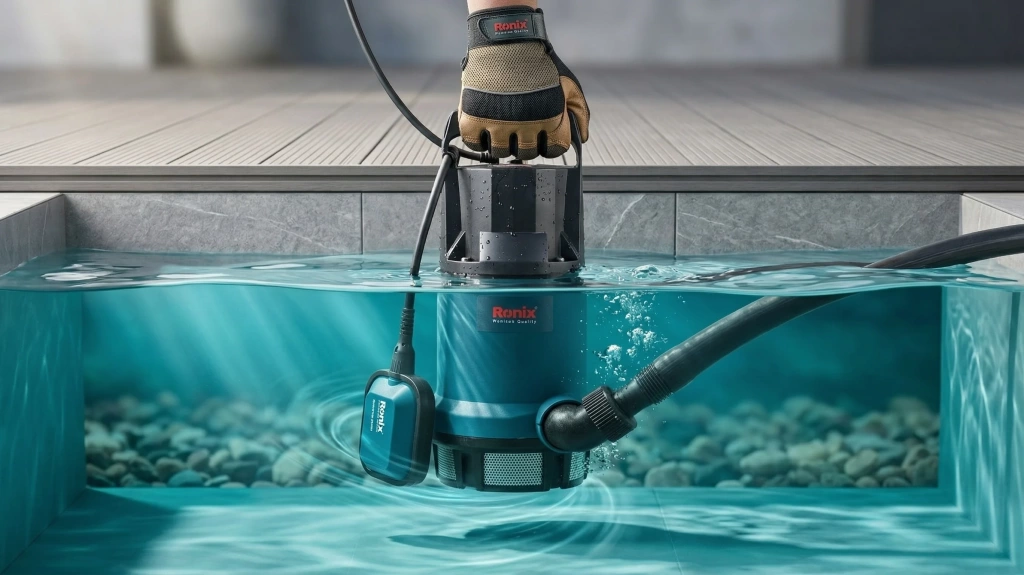
On paper, a submersible pump parts name is just a list of parts; float switch, impeller, motor, seals, casing. Simple enough.
But in reality, each part only makes sense when you see how it works with the others. One small issue a clogged mesh, a worn seal, a loose connection can affect the whole system.
So instead of just listing the components, it’s better to look at what each part actually does in real conditions. That’s where submersible pump parts and functions really start to make sense.
Float Switch: The Timing, Basically
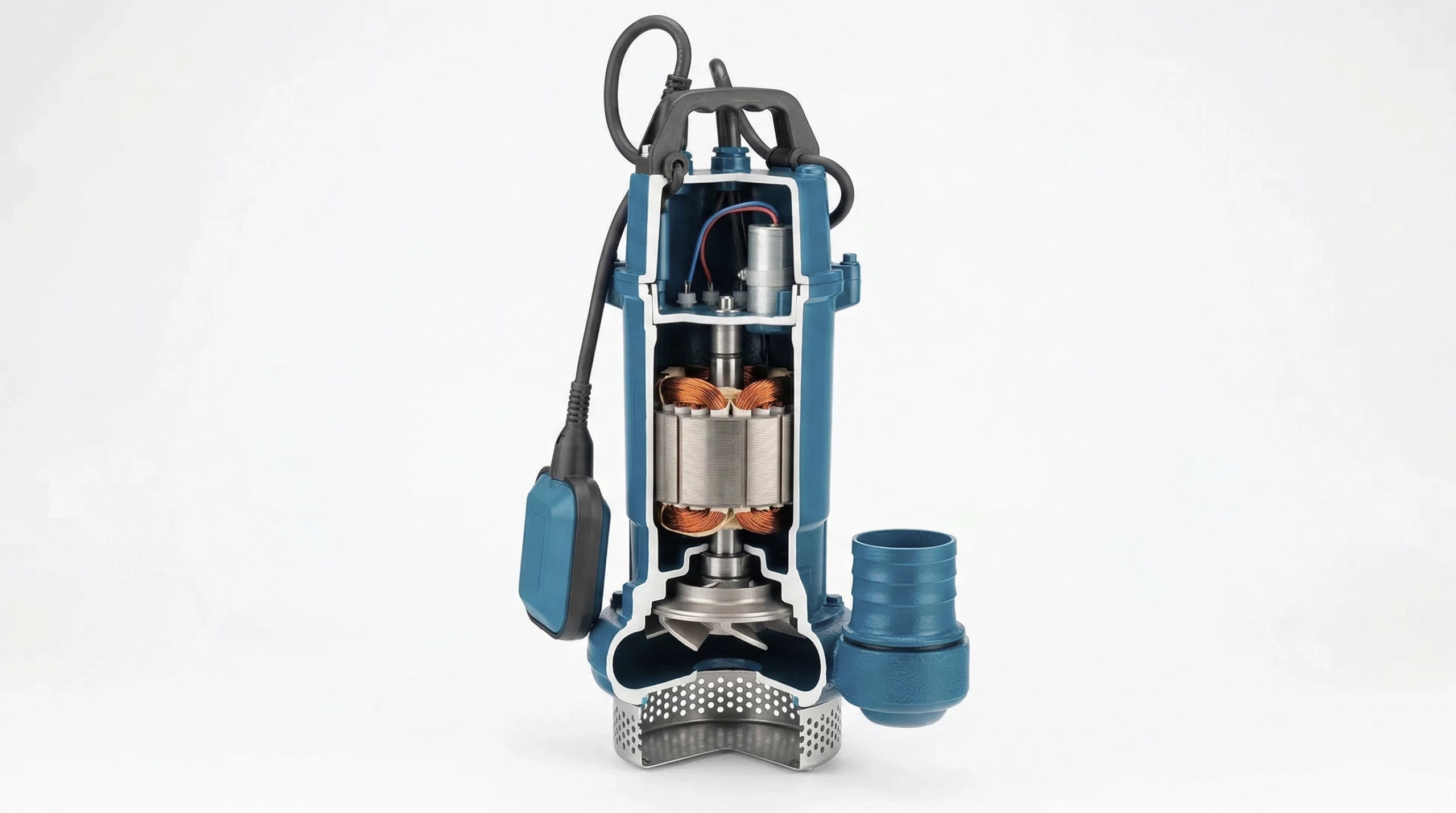
So, first thing you usually notice hanging there is the float. Looks simple. It is simple… but it decides when the whole system wakes up or goes quiet.
It just rides the water level. Up, down. Inside there’s a little switch. When the level rises enough, it tilts and closes the circuit — pump starts. Level drops, it tilts back — pump stops.
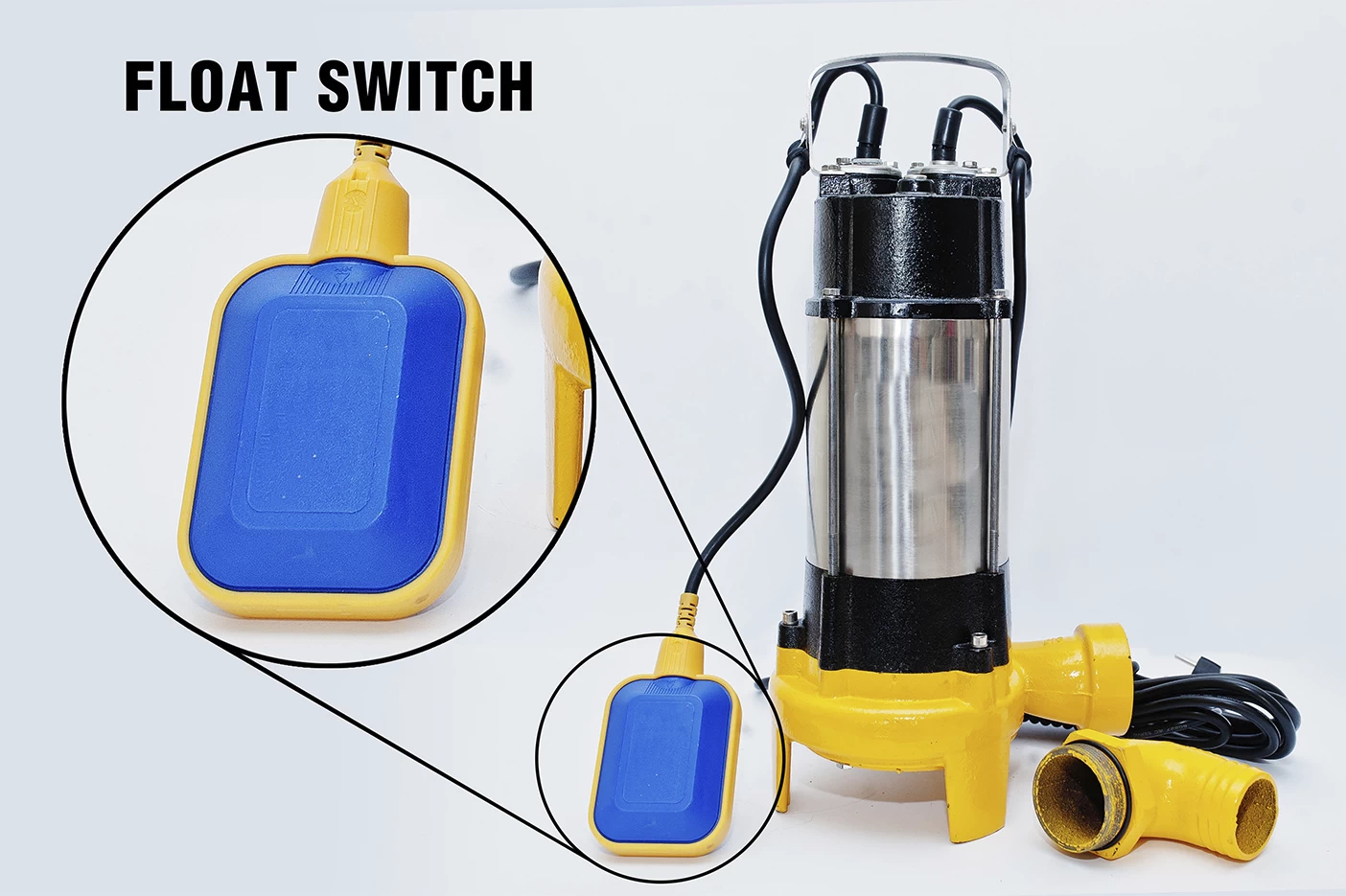
Sounds trivial, but this is where a lot of pumps either survive or die. If that switch sticks or gets tangled, the pump might run dry. And dry-running… yeah, that’s how you cook a motor without even realizing it.
I’ve seen floats jammed against a wall or twisted in the cable. Pump just keeps running, no water, overheats slowly. By the time you notice, it’s done.
So yeah. Small part, big consequences. When someone asks what are the parts of submersible pump, this is one of the first things I point at.
Filter Mesh: First Line of Defense
Now at the inlet, you’ve got the mesh. Nothing fancy. Just a barrier between the pump and whatever garbage is floating in the water. Water goes in, debris stays out. That’s the idea.
In reality, it’s always a compromise. Holes are big enough to keep flow going, but small enough to stop sand, leaves, whatever. Still… fine particles get through. They always do. Among all submersible pump components, this is one of the simplest and one of the most overlooked.
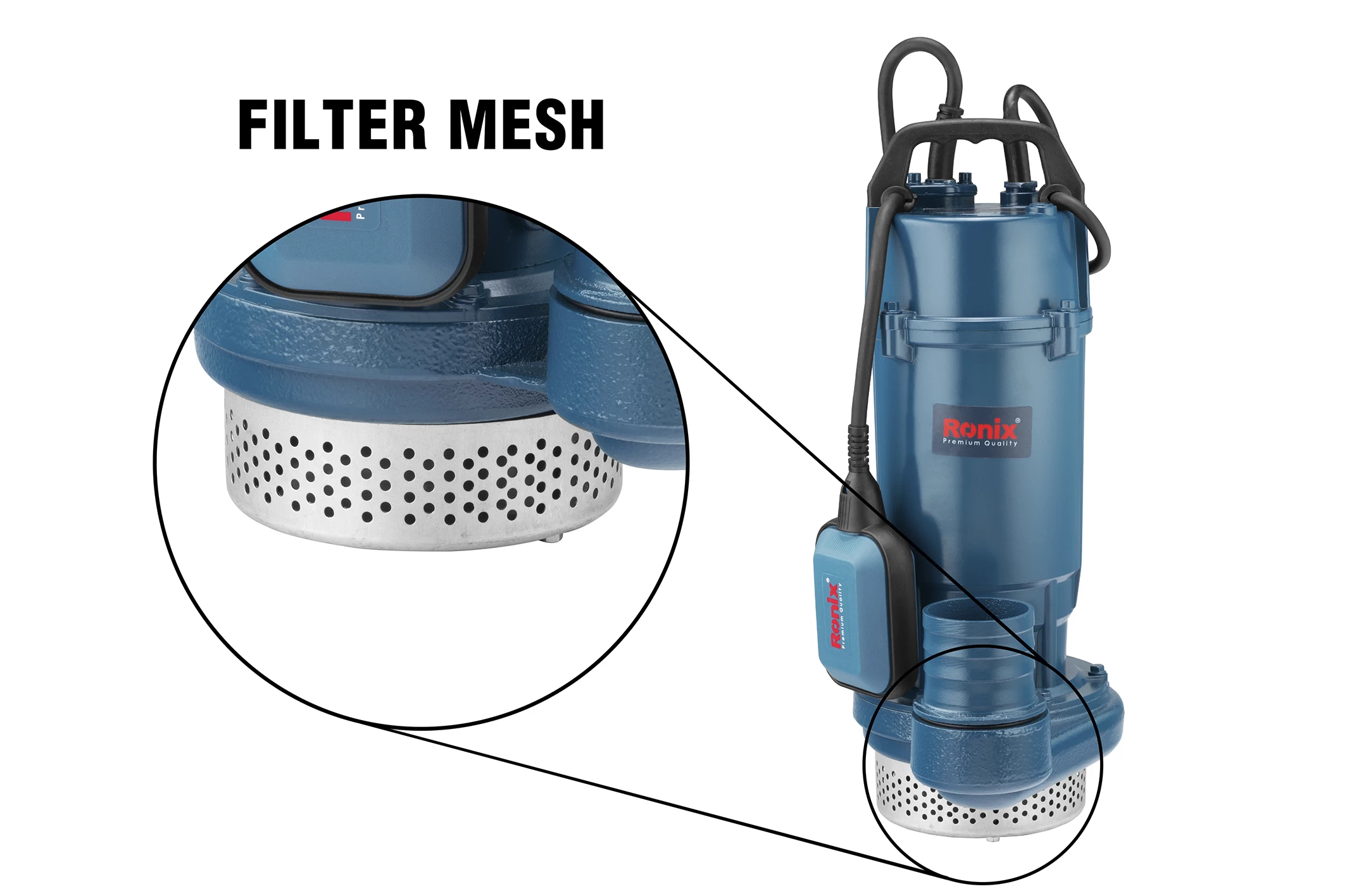
And here’s the thing; when this mesh clogs, flow drops before anything else. You’ll hear the pump working harder, but output feels weak. People often blame the motor. It’s not the motor. Half the time, you just clean the intake and everything’s back to normal.
Ignore it long enough though, and the impeller starts taking the hit. This is part of the real submersible pump parts and functions story people skip.
Outlet Joint: Where it Actually Delivers
Up top, you’ve got the outlet. This is where all the internal work turns into actual flow.
Inside the pump, the impeller builds pressure. That pressure needs a clean exit path. The outlet joint gives you that connection; hose, pipe, whatever you’re running.
If the fit is good, everything moves smoothly. If not… you lose pressure, get leaks, sometimes air gets in.
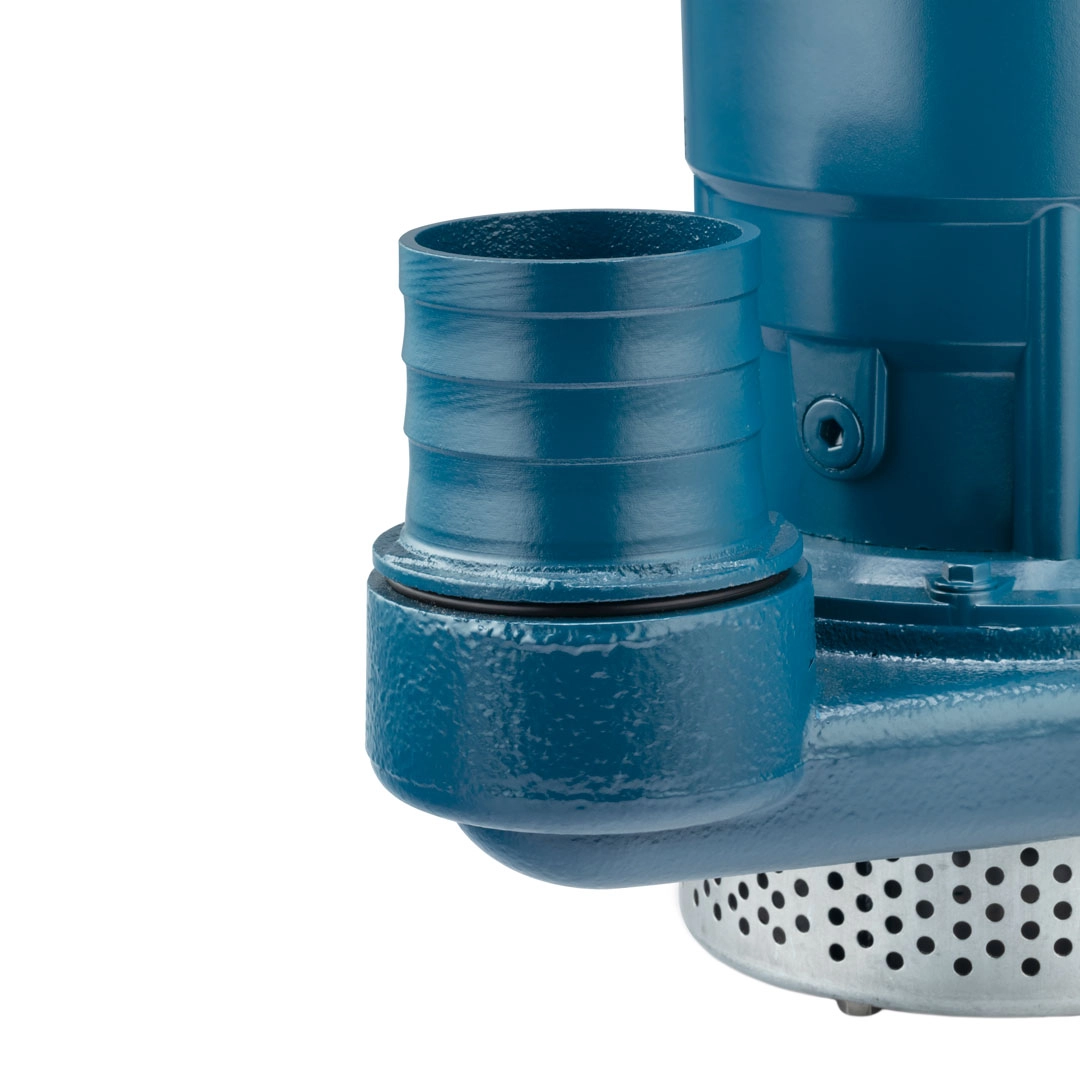
And honestly, a loose outlet is one of those stupid problems that wastes time. You think something’s wrong inside the pump, but it’s just a bad connection or a cracked fitting.
Seen that more than I’d like to admit. It’s a simple piece on the submersible pump parts name list, but it can mess everything up.
Casing: Not Just a Shell
The housing looks like just a protective body. It’s more than that.
Yeah, it keeps water out of places it shouldn’t be, protects the motor, holds everything together. But it also shapes how water moves inside.
The internal geometry matters. Water doesn’t just get pushed randomly; it’s guided. Smooth flow means better efficiency, less stress on components. This is something you only really notice when you understand the parts and functions, not just the submersible pump parts name on paper.
And sealing… that’s critical. If water gets past where it shouldn’t, especially toward the motor, things go downhill fast. Corrosion, shorting, bearing failure — all of that starts small.
You won’t always see it immediately either. That’s what makes it annoying. This is one of the core components of submersible pump people don’t fully appreciate.
Motor: Where Everything Starts
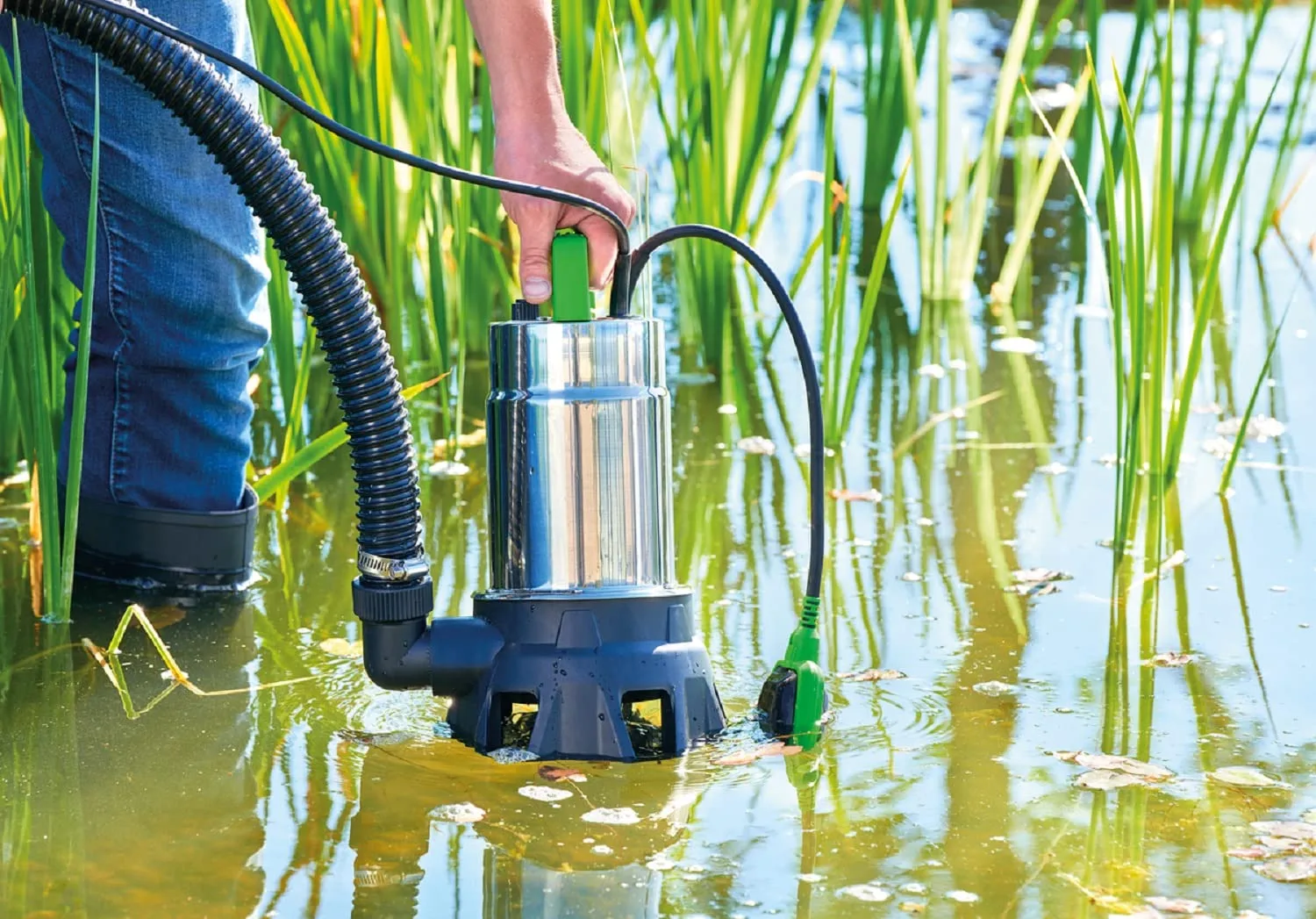
Now the motor. This is the part people call the heart, and yeah, fair enough. Among all submersible pump components, this is where everything begins.
It’s sealed tight, usually oil-filled or designed to dissipate heat through the surrounding water. It takes electrical energy and turns it into rotation. Simple concept.
But underwater operation makes it tricky. Heat has to go somewhere. Insulation has to hold. Seals have to stay intact. If the pump runs dry, even for a short time, cooling disappears. That’s when things go wrong quickly.
Sometimes you won’t even notice right away. Motor still runs… just weaker, noisier. Then one day it doesn’t start at all. That’s why in any submersible pump parts list, the motor is always one of the most critical elements to understand.
Impeller: Where the Work Actually Happens
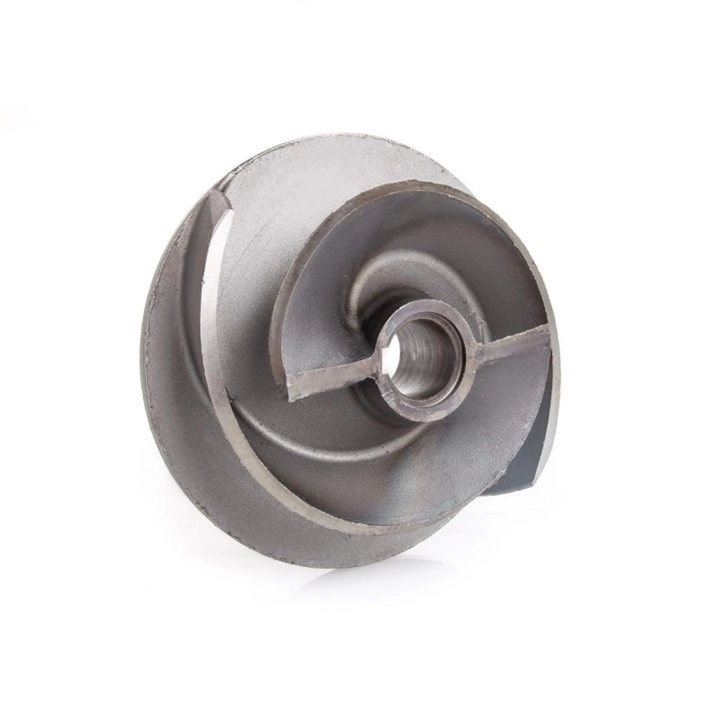
Here’s the real worker. The impeller.
Motor spins, impeller takes that rotation and throws water outward. That creates the pressure you need to move water up and out. Single-stage pumps have one impeller. Deeper or higher-pressure setups stack multiple; each stage adds a bit more push. You can actually feel when an impeller is worn. Flow drops, pressure feels inconsistent. Pump sounds normal, but performance is off. If you’re looking at the submersible pump parts list, this is the part actually doing the job.
And debris… even small stuff… over time it eats away at the blades. Not instantly, but gradually. Edges lose shape, efficiency drops. Worst case, something bigger gets in and jams it. Then the motor tries to keep turning. That’s never a good situation.
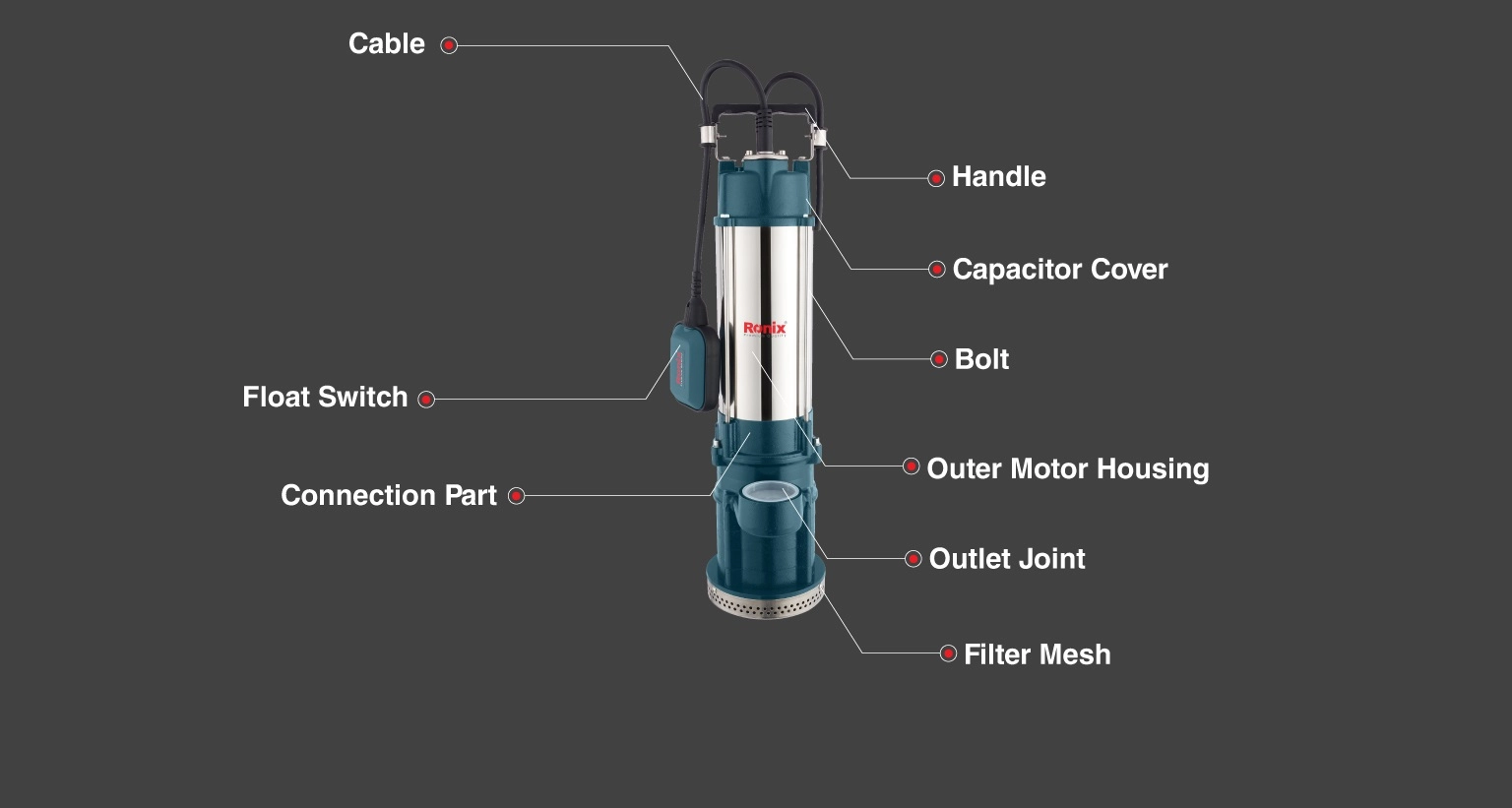
Alright, but if we’re going to call it “complete,” there are a few parts you can’t ignore. These are the ones people don’t see at first, but they’re usually where the real problems start. This is closer to what you’d call submersible pump all parts name in real practice.
Mechanical Seals: Where Things Usually Fail First
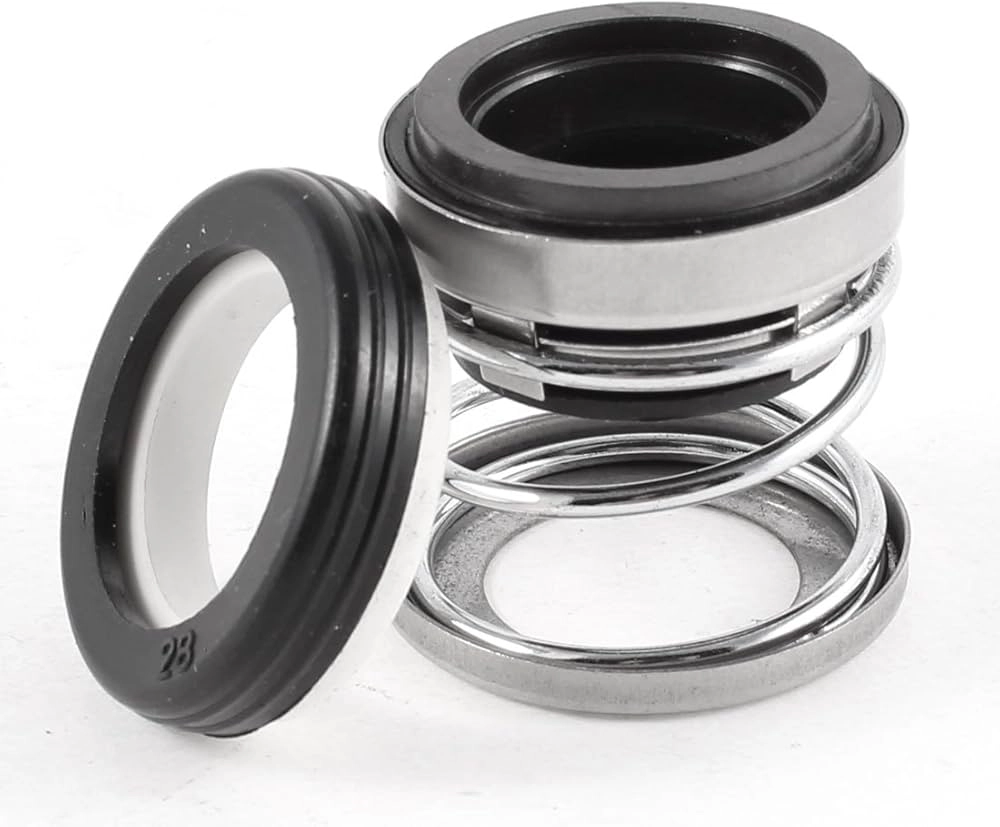
Now, between the wet side (where the water is) and the motor, you’ve got mechanical seals. This is the thin line keeping water out of the motor and honestly, one of the most sensitive submersible pump components in the entire system. It’s usually a pair of precision faces (one rotating, one stationary) pressed together. They rely on a very thin film to stay lubricated.
Here’s the thing. They don’t like dirt. They don’t like dry running. And they definitely don’t like misalignment. Most pump failures I’ve seen? Starts right here. Seal wears out, water slowly sneaks in, motor insulation degrades… and by the time you open it up, everything inside smells burnt. You won’t always get a warning either.
That’s why when people ask about the parts and functions, this is one of the first areas worth understanding because it’s not just another submersible pump parts name, it’s the barrier between a working pump and a failed one.
Check Valve: Keeps Your Work from Going Backwards
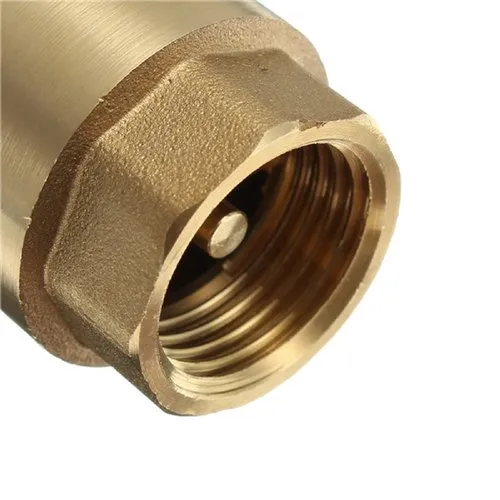
Some setups have a check valve on the discharge side. Not always inside the pump, sometimes just above it. Its job is simple. Stop water from flowing back down when the pump shuts off. Without it, all that lifted water drops back and the pump has to start from zero every time. That adds stress, especially in deep wells.
Also, backflow can spin the impeller backward for a moment. Not great for the system. You don’t notice it immediately, but over time… wear adds up.
Bearings: Quiet, Until They’re Not
Inside the motor, you’ve got bearings supporting the shaft. Their job is simple, keep everything aligned while the impeller spins. But in the bigger picture of submersible pump parts and functions, they play a much bigger role than people expect.
When they’re good, you don’t think about them at all. When they start going wrong, you hear it. Slight vibration at first. Then a rougher sound. Eventually, the whole pump feels “off.”
And once alignment is gone, seals don’t last long either. It’s all connected. I’ve pulled pumps where the bearing failure caused the shaft to wobble just enough to destroy the seal in a few days. It’s a good reminder that not every critical part stands out on a submersible pump parts list, but it can still take the whole system down.
Shaft: The Connection Nobody Talks About
The shaft runs from the motor to the impeller. Transfers all that rotational force. It doesn’t get much attention, but if it bends even slightly, everything downstream suffers: imbalance, vibration, uneven wear. usually happens after a hard jam or shock load. Not common but when it happens, you don’t fix it in place. That pump is coming apart.
Cable And Cable Entry: Small Detail, Big Headache
The power cable comes in through a sealed entry point. Easy to overlook, but in a real submersible pump all parts name breakdown, this is one of those areas that quietly causes major failures. If water creeps in through the cable entry, it travels straight toward the motor. Slow failure again.
And the cable itself (if it’s nicked, poorly installed, or under tension) you’ll get intermittent issues that are a nightmare to diagnose.
I’ve seen pumps pulled out just because someone yanked the cable too hard during installation. Seal compromised, moisture inside.
Thermal Protection: The Last Line Before Burnout
Some motors have built-in thermal protection. Basically a safety that cuts power if things get too hot. It saves the motor… sometimes. But in reality, if it’s tripping often, something else is already wrong — low water level, blocked intake, overload. It’s not a solution. It’s just buying time.
Conclusion
So yeah, when you look at a pump in the field, this whole set of submersible pump components isn’t just theory. It’s a chain. Every part depends on the next one doing its job properly. And usually, the failure doesn’t come from the obvious part. It’s the small thing (a worn seal, a clogged intake, a loose connection) that takes the whole system down.

Giselle
6 April 2026