- 7min
- 1941
- 0
Contents
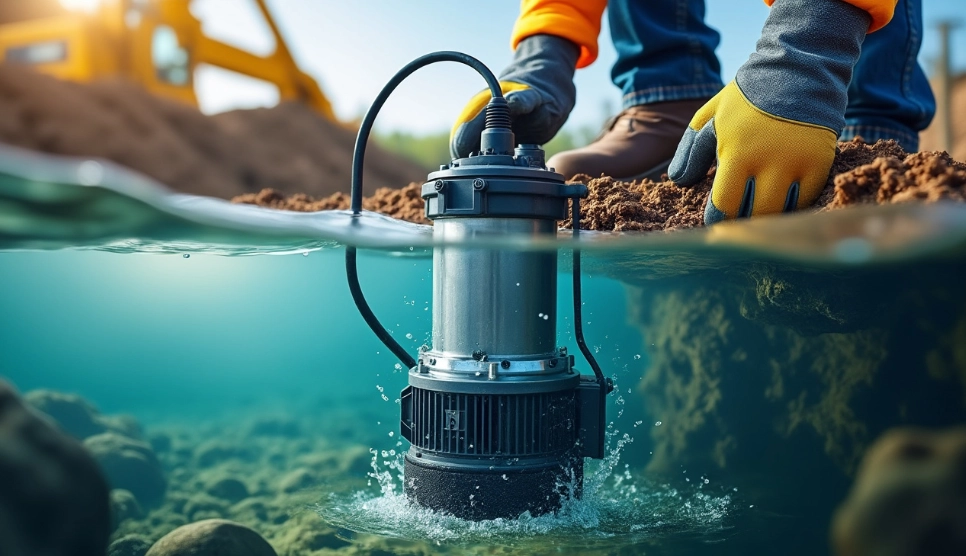
Ever wondered what is a submersible pump and why it’s so important in moving water efficiently? What makes these pumps unique and energy-efficient is that they work fully submerged. Used for various tasks such as handling industrial fluids, draining flooded areas, and supplying water to your home, submersible pumps are regarded as vital tools. If you are asking what is submersible water pump, this guide explains everything clearly.
What is a submersible pump?
For sure you have heard the name “submersible pump” many times. But have you ever thought what is submersible water pump and the reason for its popularity for moving water? The unique feature of a submersible pump is that it operates completely underwater. Unlike above-ground pumps, there is no risk of losing suction thanks to this feature.
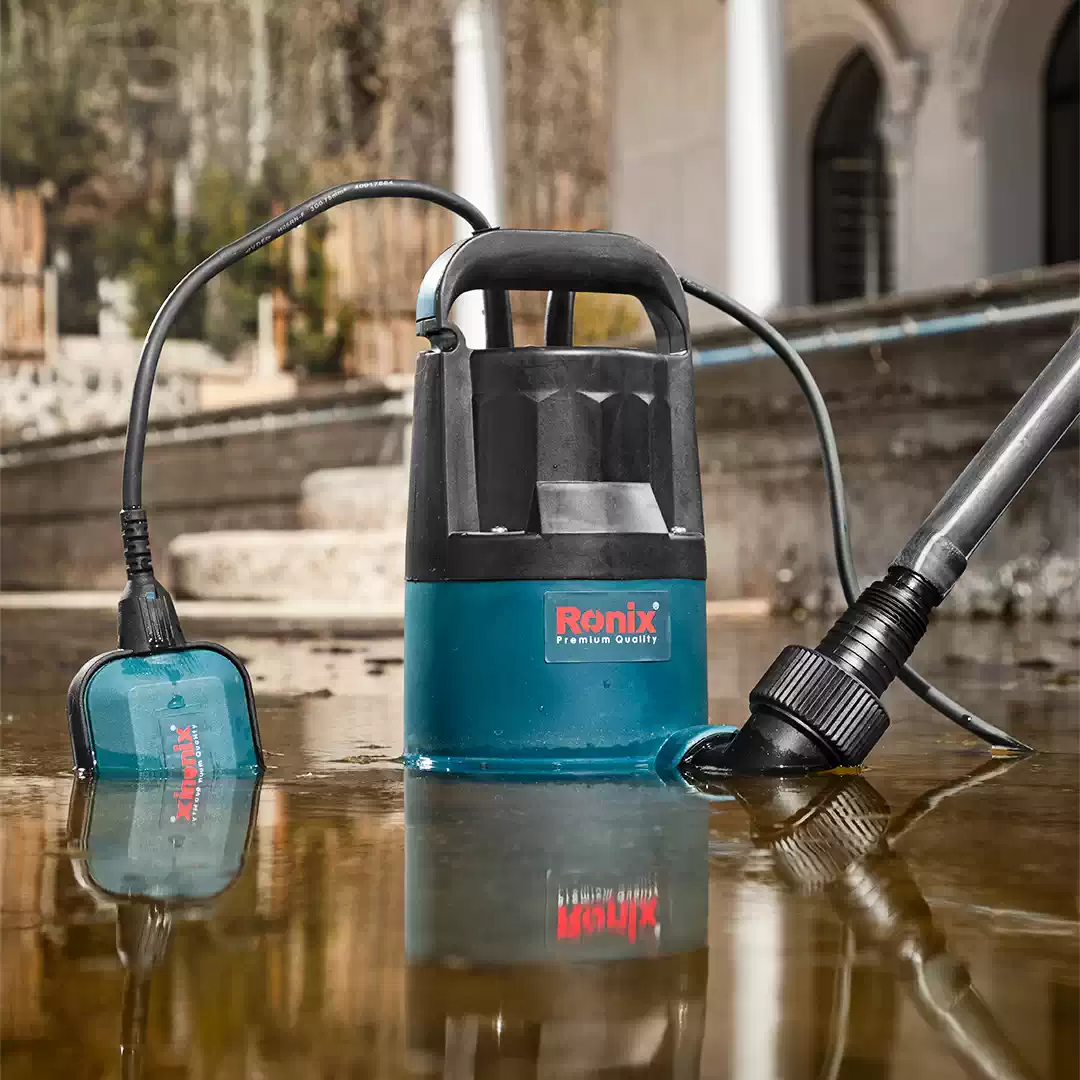
Enclosed in a waterproof case, a submersible pump consists of a sealed motor and a pumping mechanism. Problems such as cavitation won’t be an issue here as this kind of pump doesn’t need priming and sits directly in the liquid.
The versatility of submersible pumps is another impressive point! You can find larger models and designs used in treatment plants, agricultural irrigation, and construction sites. The small designs can also be seen in home basements to prevent flooding. Stay with us to learn more!
How Submersible Pump Works
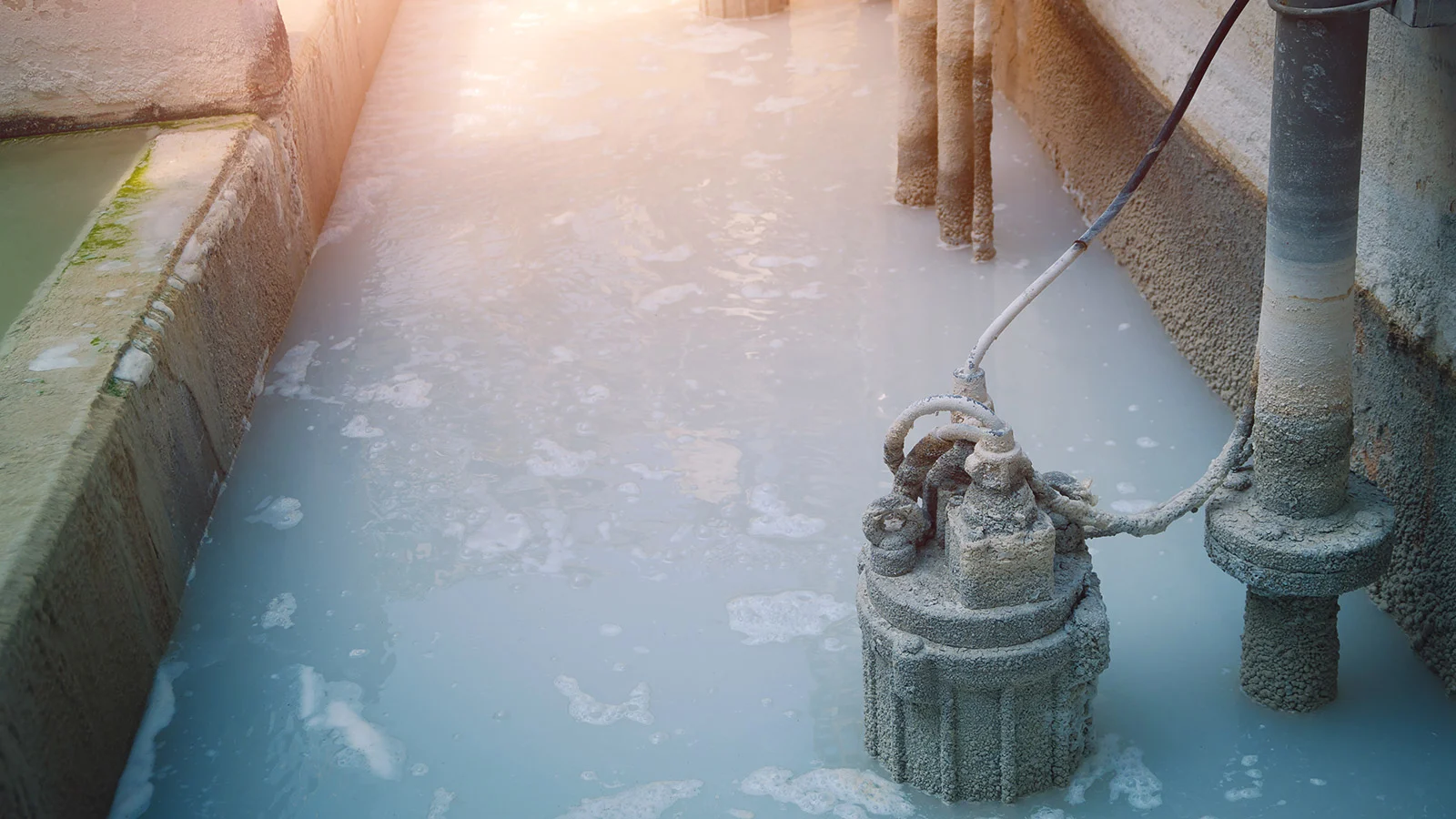
Having known the answer to the question ”what is a submersible pump?”, the next issue is to understand how submersible pump works in a simple and clear way. Protected by a waterproof casing and mechanical seals, the sealed electric motor starts running as soon as you locate the pump inside the water and turn it on. This way, the internal components won’t be damaged as it prevents liquid from entering the motor.
Next, the impeller, a small spinning wheel with curved blades, is rotated by the motor. This component pulls water into the pump and pushes it outward with force. The key difference is here. In fact, when people ask what is a submersible water pump used for, the ability to move water from deep wells, tanks, and flooded areas without priming is one of the main functions. There are multiple impellers in deep-well models allowing water to travel even hundreds of meters upwards!
You may think of overheating risks but this is not an issue here! The surrounding water helps cool the motor for longer operating times so we have a natural cooling system in a submersible pump. So, if you are asking what is a submersible water pump, one key feature is its fully sealed motor that remains protected and efficiently cooled underwater. Now let’s take a look at its main components.
Main Components of a Submersible Pump
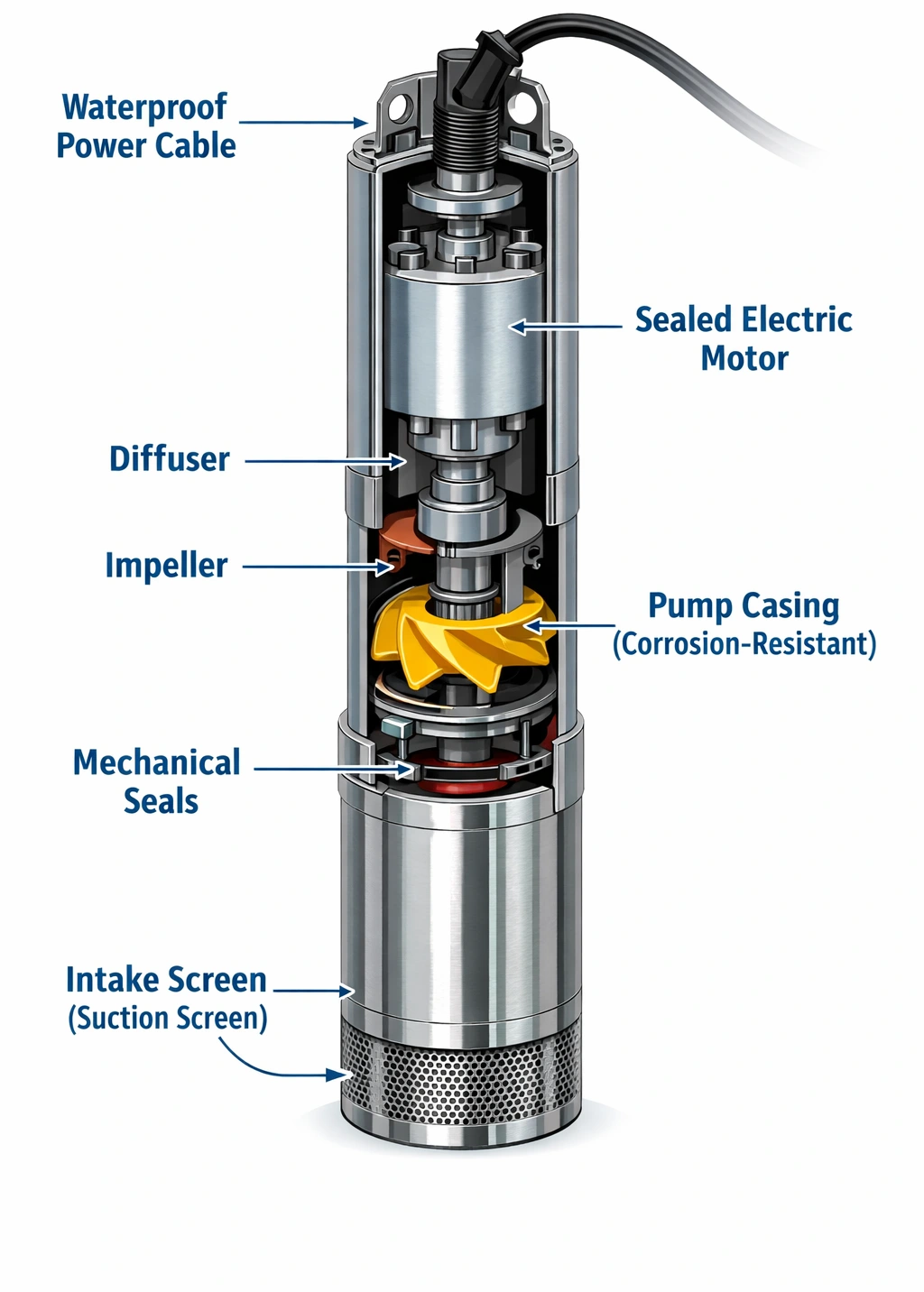
Submersible pumps seem like a compact product, but they have many essential parts allowing them to perform effectively under the water. If you are wondering what is a submersible pump, here is a short description of its components:
- Sealed Electric Motor: Designed to operate safely while fully submerged.
- Impeller: Moves the water by creating force.
- Diffuser: Helps increase pressure and guide water flow.
- Pump Casing: Protective Outer housing, usually corrosion-resistant.
- Mechanical Seals: Prevent water from entering the motor.
- Waterproof Power Cable: Supplies electricity safely to the submerged unit.
- Intake Screen: Prevents debris and solid particles from entering the pump.
Types of Submersible Pumps
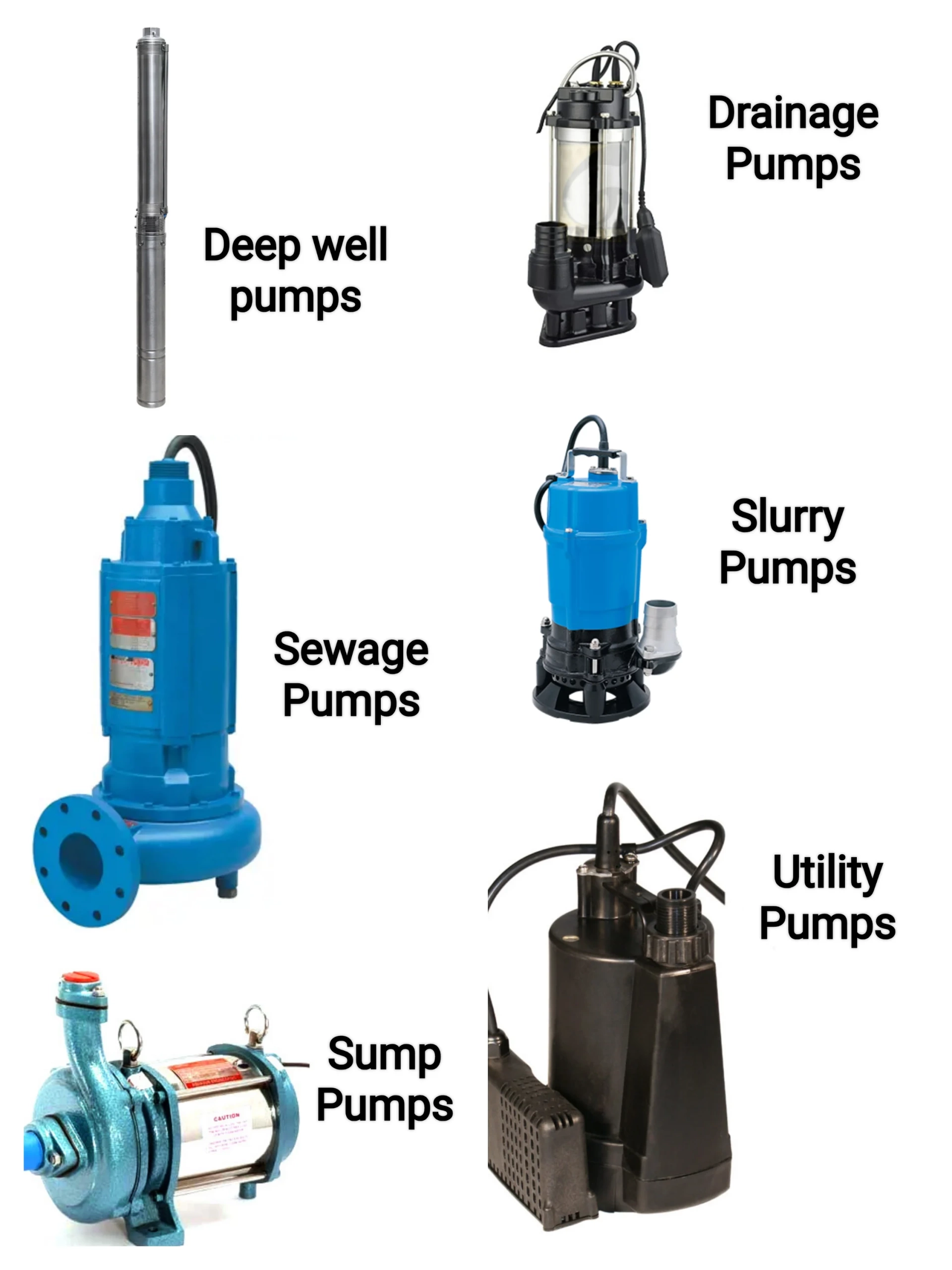
One way to understand what is submersible pump used for is by looking at its different types. Based on some factors such as the application, liquid type, and required pressure, different submersible types are built to match various applications. Here are the most common types:
- Deep Well (Borehole) Pumps: As the name suggests, they lift water from deep underground well for water supply in homes, farms, and municipal systems.
- Sewage Pumps: Built to manage wastewater and solids. They’re commonly used in sewage systems, septic tanks, and wastewater treatment facilities.
- Drainage Pumps: Used to remove unwanted water from ponds, tunnels, construction sites, or flooded areas.
- Sump Pumps: Removing accumulated groundwater, these pumps are normally installed in basements.
- Slurry Pumps: Often used in mining and industrial environments, these heavy-duty pumps can handle abrasive liquid mixed with solids.
- Utility Pumps: Unlike slurry pumps, these small portable pumps are used for light-duty tasks such as emptying pools and tanks.
What Is Submersible Pump Used For?
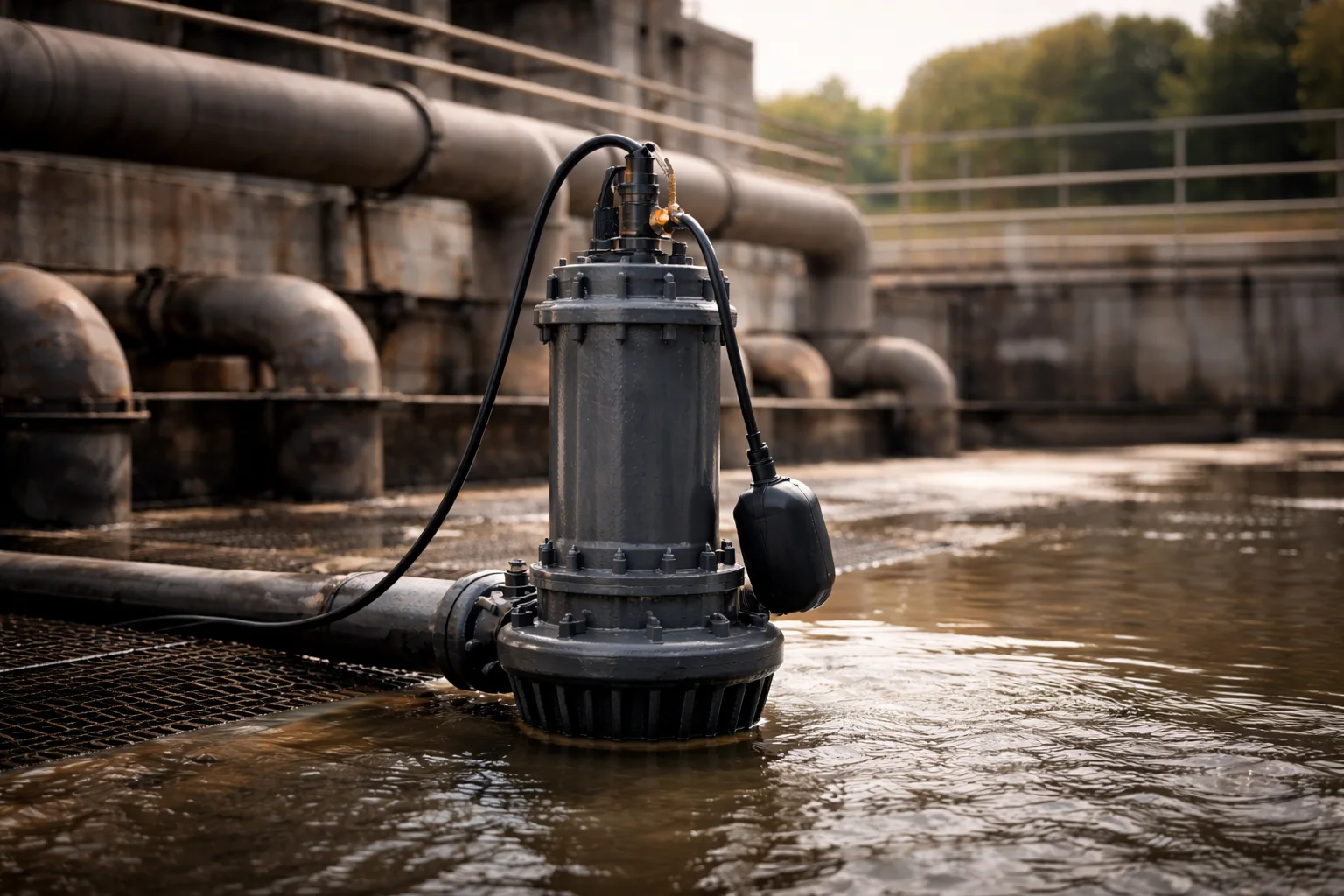
Now you might be wondering what is submersible pump used for in real life? The answer is more places that you probably think! Here are some common applications:
- Water Supply from Deep Wells: Supplying drinking water to homes, farms, and communities.
- Agricultural Irrigation: Pumping groundwater to irrigate crops.
- Basement and Flood Drainage: Removing unwanted water from homes and buildings.
- Sewage and Wastewater Systems: Transferring waste to treatment facilities.
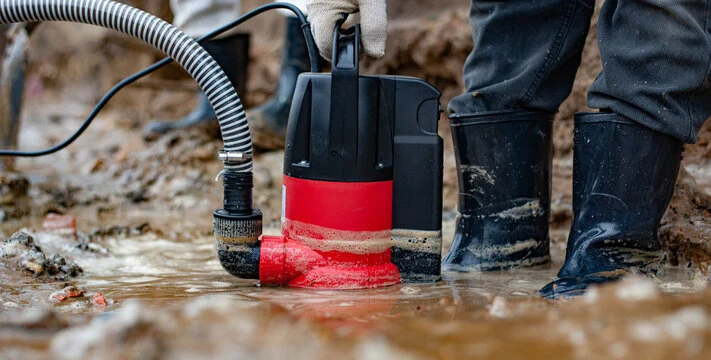
- Construction Sites: Dewatering excavations, tunnels, and foundations.
- Industrial Liquid Transfer: Handling chemicals, slurry, or process water.
- Oil and Gas Extraction: lifting crude oil or water out of deep oil wells.
How to Choose a Submersible Pump
Knowing what is a submersible water pump and its functions is not enough for buying it! There are a few factors you need to consider to choose the right submersible pump based on your needs. Here are some important points to keep in mind:
- Flow Rate (Capacity): How much water do you need to move per hour or minute? The pump’s flow rate should align with the requirements of the application.
- Total Head (Lifting Height): How high do you need the water to be lifted? Deep wells or tall tanks require higher head pumps.
- Type of Fluid and Viscosity: Are you pumping clean water, sewage, slurry, or chemicals? The pump design must match the type of liquid.
- Environmental Condition: Check specific environmental conditions, including temperature, pressure, and voltage.
- Pump Material: Stainless steel, cast iron, or thermoplastic? Material choice matters for corrosion resistance, especially in harsh or industrial environments.
- Submersion Depth: How deep will the pump be placed? Ensure the pump is suitable for your depth.
- Maintenance Access: Consider how easy it will be to inspect or service the pump.
Submersible Pump Advantages and Limitations
Submersible pumps, the same as other equipment, come with both strengths and limitations. If you are still wondering what is submersible water pump and whether it suits your application, examining its advantages and limitations will give you a clearer picture.
Advantages
- High Efficiency: Energy loss is reduced as the pump pushes water rather than pulling it.
- No Priming Required: It can start working immediately.
- Reduced Risk of Cavitation: Being submerged minimizes air-related issues.
- Quiet Operation: The surrounding liquid helps dampen noise.
- Space-Saving Design: They don’t require extra floor space.
- Natural Motor Cooling: The surrounding water helps prevent overheating.
- Versatile Applications: Suitable for clean water, wastewater, and even slurry.
Limitations
- Challenging Maintenance: It must be removed from water for repair or inspection.
- Higher Initial Costs: Some models may cost more than surface pumps.
- Seal Failure Risk: If the seals are damaged, water can enter the motor and cause failure.
- Corrosion Risk: To avoid damage in harsh environment, materials must be carefully selected.
- Overheating Risk: If the water level drops too low and the pump runs dry, it may overheat and be damaged.
Conclusion
If you were asking yourself “submersible pump what is it and why does it matter?“, now you know the answer! A submersible pump is more than just a device that moves water. Whether you are choosing a pump for irrigation, residential water supply, or industrial use, understanding what is submersible pump and how it works will help you make a confident decision.

Scott
27 February 2026