- 14min
- 117
- 0
Contents
Ever tried measuring a tiny part with a ruler and thought, “Well… that looks close enough”? That might work for hanging a picture, but it is not a great strategy for machining, woodworking, automotive repairs, or any job where a fraction of a millimetre matters!
The best calipers make it easy to measure outside dimensions, inside diameters, depths, and steps accurately. In this guide, we compare top calipers for DIY, woodworking, machining, repairs, and professional inspection.
Ready to find the right tool without getting buried in technical jargon? Let’s measure up the options!
Choose the best Caliper supplier
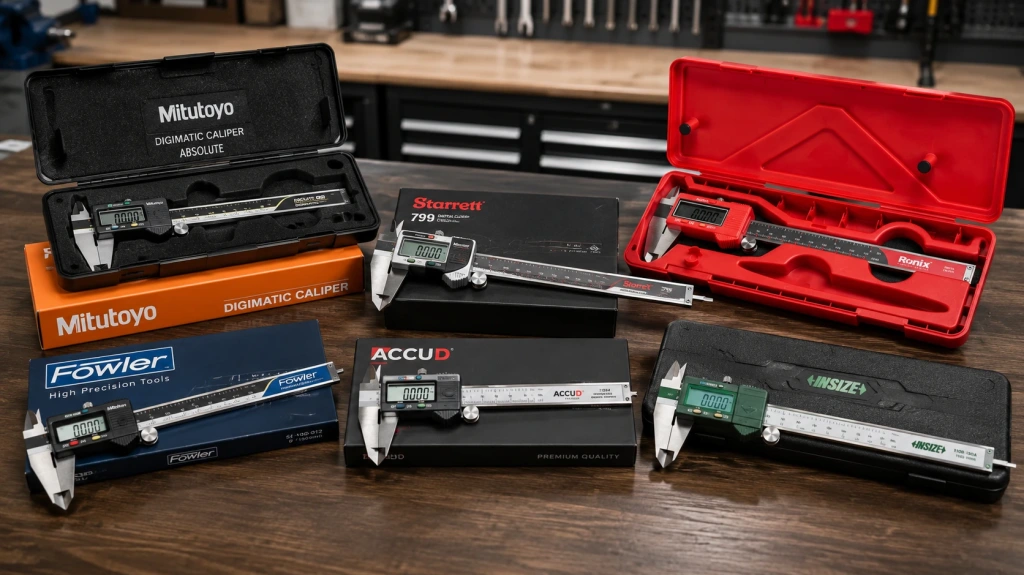
Best Calipers Compared
| Brand & Model | Measuring Range | Accuracy | Material | IP Rating | Best For |
| Mitutoyo 500-752-20 | 0–150 mm / 0–6 in | ±0.02 mm / ±0.001 in | Hardened stainless steel | IP67 | CNC machining and coolant-heavy workshops |
| Starrett 798A-6/150 | 0–150 mm / 0–6 in | ±0.02 mm up to 100 mm; ±0.03 mm above 100 mm | Hardened stainless steel | IP67 | Premium industrial inspection |
| TESA TWIN-CAL 00530319 | 0–150 mm / 0–6 in | ±0.03 mm / ±0.001 in | Hardened stainless steel | IP67 | Shop-floor metrology and data output |
| Fowler/Sylvac Ultra-Cal VI 54-100-167 | 0–150 mm / 0–6 in | ±0.02 mm / ±0.0008 in | Hardened stainless steel | IP67 | Wireless quality-control measurements |
| Mahr MarCal 16 EWRi 4103400 | 0–150 mm / 0–6 in | ±0.03 mm | Hardened stainless steel | IP67 | Wireless SPC and production inspection |
| INSIZE 1118-150B | 0–150 mm / 0–6 in | ±0.03 mm | Stainless steel | IP67 | Rugged industrial use at a moderate price |
| iGaging OriginCal 100-700-06 | 0–150 mm / 0–6 in | ±0.02 mm / ±0.001 in | Stainless-steel frame | IP54 | Woodworking and general workshop use |
| Dasqua 2015-1005 | 0–150 mm / 0–6 in | ±0.02 mm / ±0.001 in | Solid stainless steel | IP67 | Workshops exposed to oil, dust, and water |
| ACCUD 112-006-11H | 0–150 mm / 0–6 in | ±0.02 mm | Stainless steel | IP67 | Industrial measuring on a mid-range budget |
| HOLEX 412751-150 | 0–150 mm / 0–6 in | ±0.03 mm | Stainless steel with plastic electronics housing | IP67 | Maintenance and general production work |
| General Tools 148 | 0–150 mm / 0–6 in | ±0.02 mm / ±0.001 in | Stainless steel | IP54 | DIY, woodworking, and rechargeable convenience |
| Johnson Level 1889-0600 | 0–150 mm / 0–6 in | ±0.001 in, approximately ±0.025 mm | Stainless steel | Not rated | Construction, trades, and fractional-inch readings |
| Park Tool DC-2 | 0–150 mm / 0–6 in | ±0.02 mm below 100 mm; ±0.03 mm above 100 mm | Steel with ABS electronics housing | Not specified | Bicycle repair and component measurement |
| RCBS Electronic Digital Caliper | 0–150 mm / 0–6 in | ±0.02 mm / ±0.001 in | Hardened stainless steel | Not specified | Precision handloading and cartridge inspection |
| VINCA DCLA-0605 | 0–150 mm / 0–6 in | ±0.03 mm / ±0.001 in | Polished stainless steel | IP54 | DIY and entry-level workshop measurement |
| Clockwise Tools DCLR-0605 | 0–150 mm / 0–6 in | ±0.02 mm / ±0.001 in | Polished stainless steel | IP54 | Affordable data logging and general inspection |
| Ronix RH-9706 | 0–150 mm / 0–6 in | ±0.03 mm | 4Cr13 stainless steel | Not specified | Automotive work, mechanical work, DIY, woodworking, metalworking, and general workshop measurements |
| Neiko 01407A | 0–150 mm / 0–6 in | ±0.02 mm / ±0.001 in | Stainless steel | Not specified | Budget-conscious DIY users |
| Starrett 120A-6 | 0–6 in | 0.001 in graduations | Hardened stainless steel | Not applicable | Machinists and users who prefer a battery-free mechanical caliper |
| Ronix RH-9704 | 0–150 mm / 0–6 in | ±0.03 mm | Hardened 4Cr13 stainless tool steel | Not applicable | Automotive work, mechanical work, DIY, woodworking, metalworking, and educational use |
Best Digital Calipers
Mitutoyo 500-752-20: Our Top Digital Pick
Want fast measurements without staring at tiny scale lines? A digital caliper is probably your best friend!
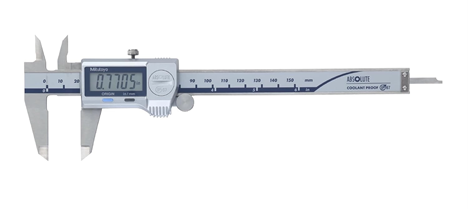
Our top pick is the Mitutoyo 500-752-20. It is accurate, easy to read, and tough enough for busy workshops, making it one of the best calipers for professional use.
This model measures up to 150 mm or 6 inches and offers an accuracy of ±0.02 mm. Its screen shows measurements in steps of 0.01 mm, so you can read the result in seconds—no calculations needed.
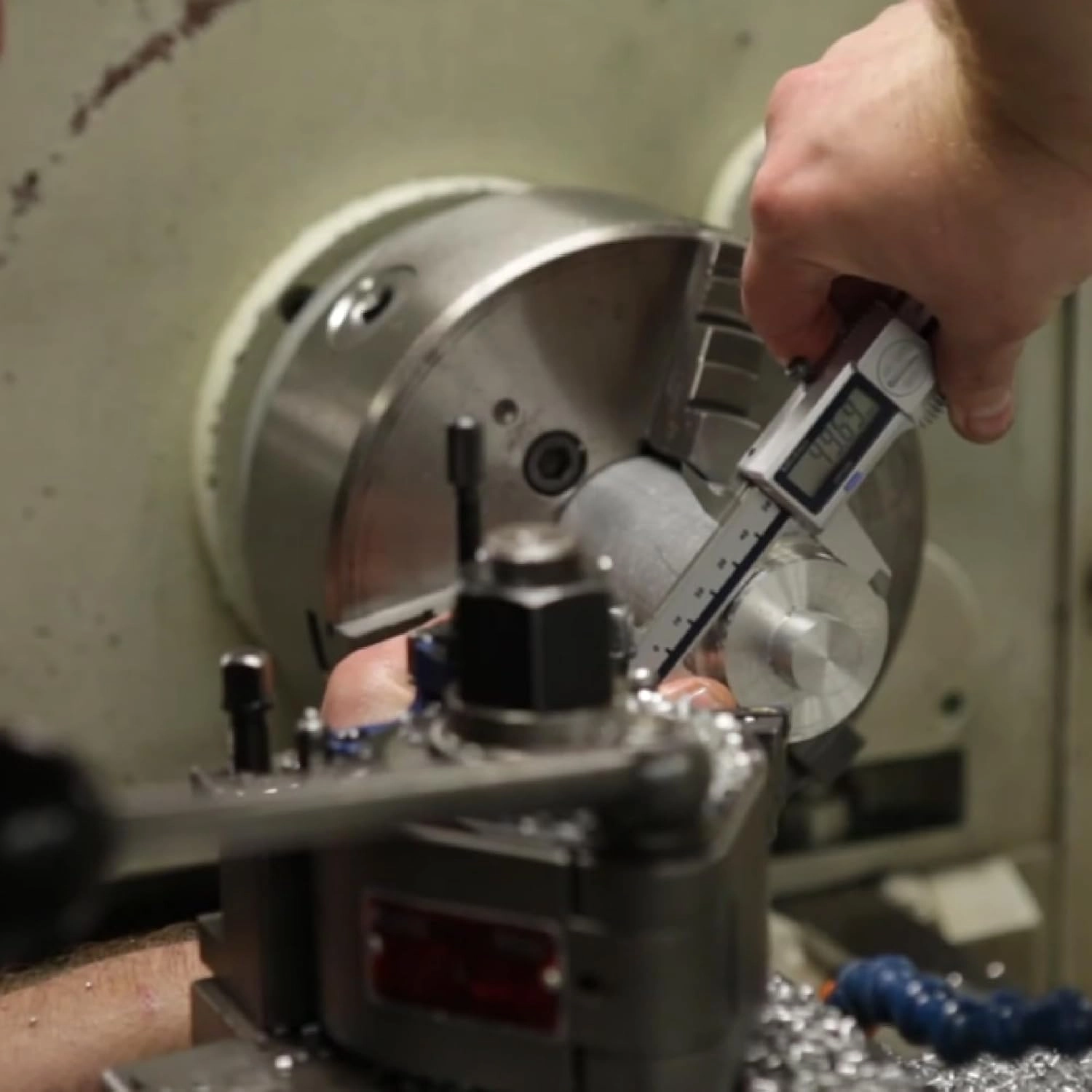
But here is the real highlight: it has an IP67 rating.
That means dust, water, oil, and coolant are much less likely to cause trouble. So, if you work around CNC machines, cutting fluids, or messy workshop benches, this caliper is ready for the challenge.
What Makes It a Great Digital Caliper?
The result appears instantly:
Just close the jaws around the part and check the screen. Simple!
It remembers its zero point:
The ABSOLUTE system remembers the original position, even after the display switches off. You do not need to reset it every time you start working.
It measures in four ways:
You can use it for outside, inside, depth, and step measurements.
It works well in rough environments:
Its IP67 protection makes it a much safer choice for oily, dusty, and wet workplaces.
The battery lasts a long time:
Mitutoyo states that the battery can last for about five years under normal use. The screen also turns off automatically after a period of inactivity.
Who Is It Best For?
This caliper is an excellent choice for:
- Machinists
- CNC operators
- Quality-control inspectors
- Mechanics
- Professional workshop users
It costs more than a basic digital caliper, but you are paying for accuracy, protection, and long-term reliability. Among the top calipers for professional users, it stands out for its durable construction and IP67 protection.
Best Dial Calipers
Starrett 120A-6: Our Top Dial Pick
Do not want to deal with batteries? No problem!
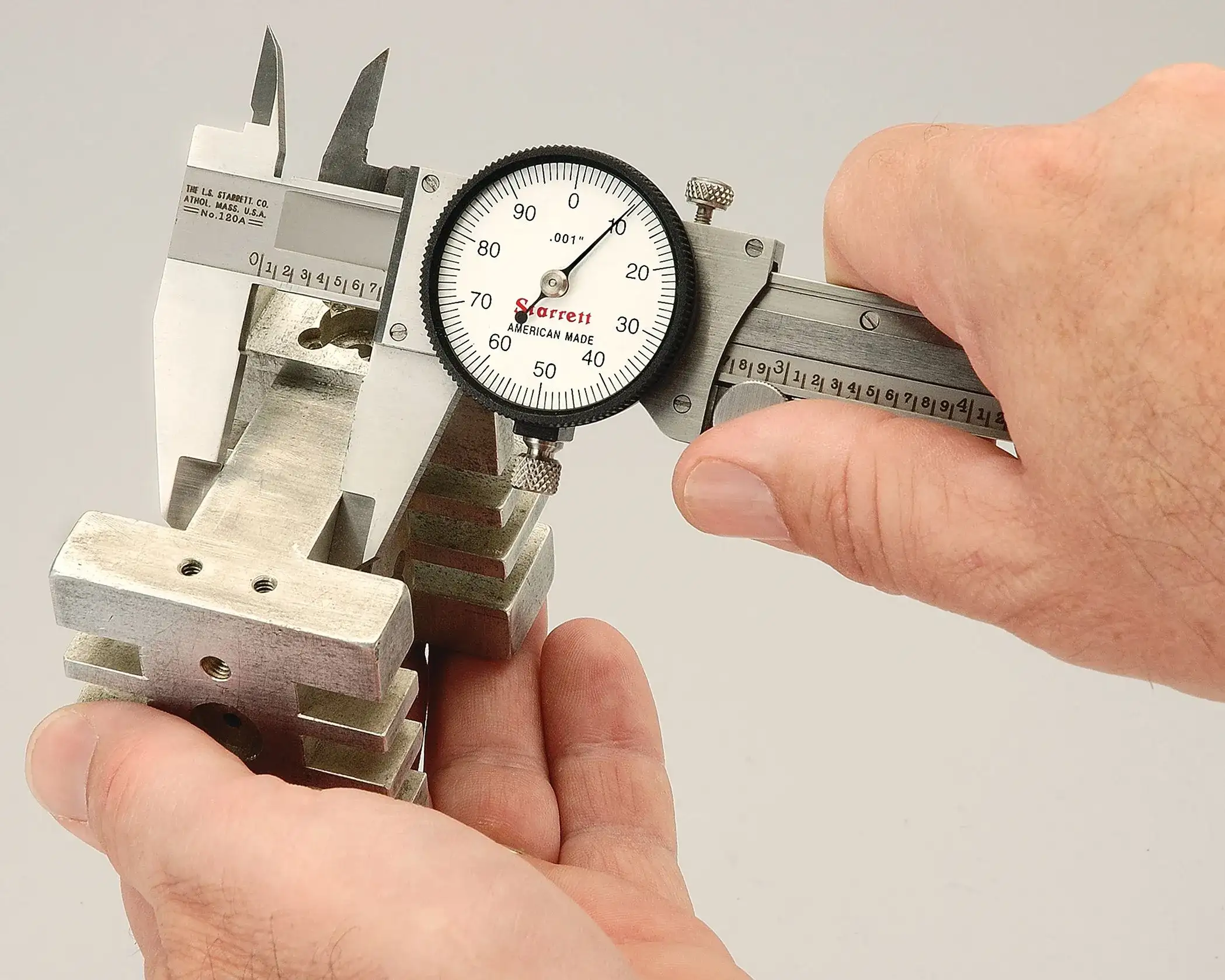
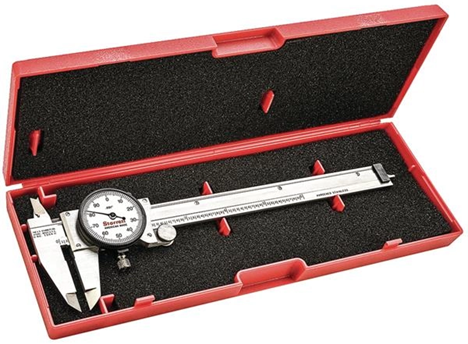
The Starrett 120A-6 is a fully mechanical dial caliper. It has a measuring range of 0 to 6 inches and graduations of 0.001 inches.
Instead of showing the measurement on a digital screen, it uses a clear white dial and pointer. Once you get used to reading it, the process is quick and satisfying.
Starrett also makes this model from hardened stainless steel and includes a thumb roller, locking screws, knife-edge contacts, and an anti-backlash gear system.
Its solid construction and mechanical design have also made it one of the popular calipers among users who prefer traditional measuring tools.
What Makes It a Great Dial Caliper?
No battery is required:
Pick it up and start measuring. There is no dead battery waiting to ruin your day!
The dial is easy to read:
The white face and clear markings help you see small dimensional changes.
It has an anti-backlash system:
The split-gear mechanism reduces unwanted movement between the gears and helps the pointer move more consistently.
It feels solid:
The beam, measuring surfaces, rack, gears, and depth rod are made from hardened stainless steel.
You can operate it with one hand:
The thumb roller makes small jaw adjustments easier.
You can lock the reading:
Once you get the measurement, lock the sliding jaw and remove the tool from the workpiece.
These qualities place the Starrett 120A-6 among the best calipers for users who want dependable mechanical performance.
Who Is It Best For?
The Starrett 120A-6 is a strong option for:
- Mechanics
- Toolmakers
- Machinists
- Repair technicians
- Anyone who prefers mechanical tools
Just remember to keep it clean. Metal chips and dust can enter the rack-and-pinion mechanism and affect the pointer. A dial caliper loves a clean, dry toolbox!
Need metric measurements? Consider the Starrett 120AM-150, which measures from 0 to 150 mm with 0.02 mm graduations.
Best Vernier Calipers
Ronix RH-9704: Our Top Vernier Pick
Looking for something simple, durable, and completely battery-free? Meet the Ronix RH-9704!
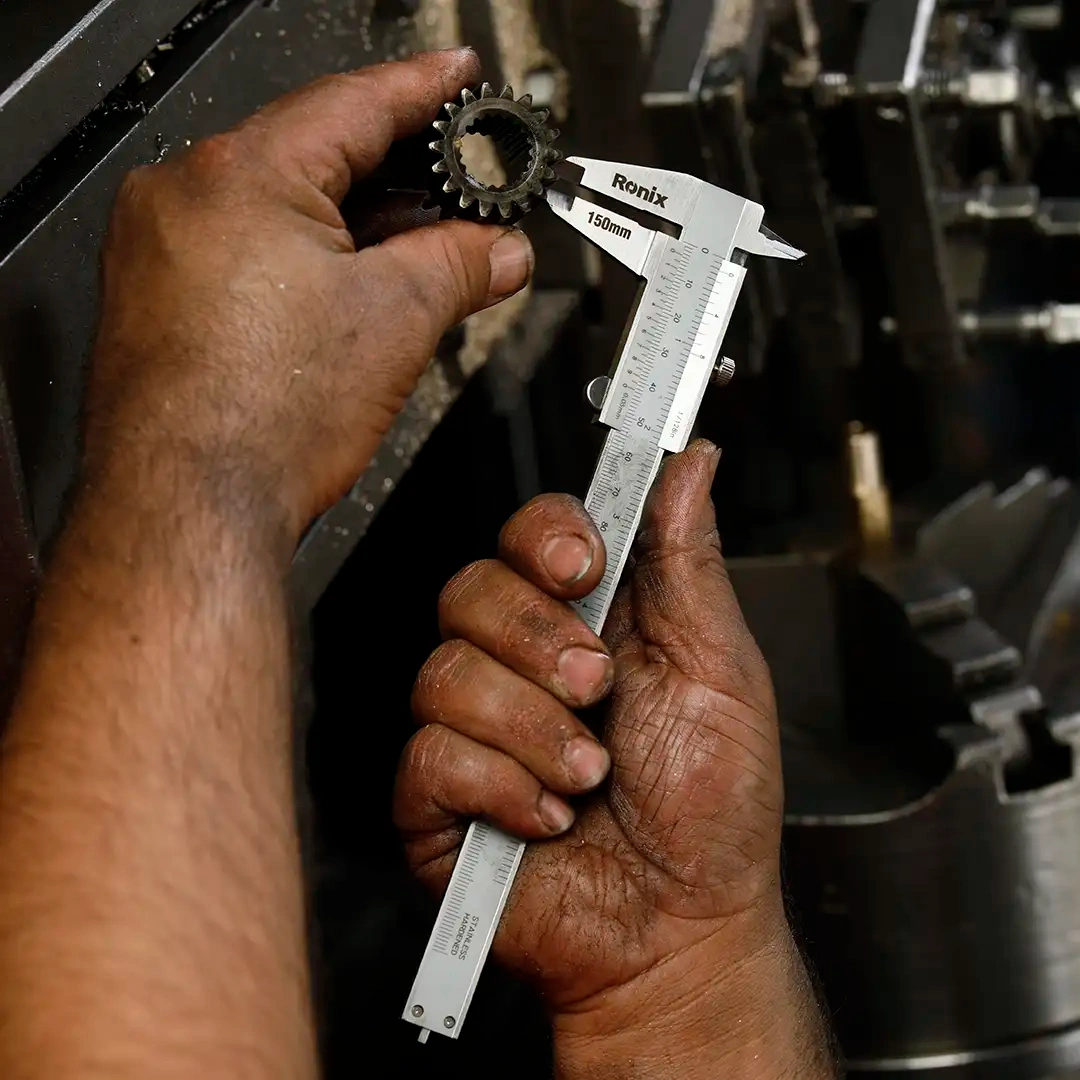
This vernier caliper measures from 0 to 150 mm and has a stated accuracy of ±0.03 mm. It includes both metric and imperial scales, so you can work in millimetres or inches without switching tools.
The RH-9704 is made from hardened 4Cr13 stainless tool steel with a matt chrome-plated finish. It also features a locking screw, a depth bar, and raised guideways designed to make the scale easier to read with less glare.
For users who value simplicity, versatility, and durability, it is one of the top calipers in the vernier category.
What Makes It a Great Vernier Caliper?
It never needs a battery:
Leave it in its storage box for months, take it out, and it is ready to work!
It measures in millimetres and inches:
The dual scales make it useful for projects that involve different measurement systems.
It handles four common measurements:
You can use it for outside, inside, depth, and step measurements.
It is built for regular workshop use:
The hardened stainless tool-steel construction helps resist wear during frequent measuring tasks.
The scale is easier to read:
The matt chrome-plated finish and raised guideways help reduce glare when checking the graduation lines.
The jaw can be locked:
Once you find the measurement, tighten the locking screw to hold the position while you check the reading.
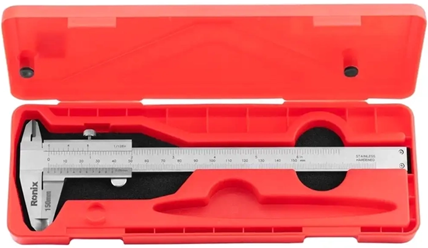
It comes with a storage box:
The included plastic box helps protect the caliper from dust, impacts, and other tools when it is not being used.
These practical features make the Ronix RH-9704 one of the popular calipers for students, trainees, DIY users, and workshop professionals.
Who Is It Best For?
This caliper is a good match for:
• Technical students
• Workshop trainees
• Mechanics
• Woodworkers
• Metalworkers
• DIY users
• Anyone who prefers traditional measuring tools
There is one catch: reading a vernier scale takes some practice.
First, read the value on the main scale. Then, find the line on the smaller vernier scale that aligns most closely with a line on the main scale. It may seem tricky at first, but after a little practice, the process becomes much easier.
If you want a straightforward measuring tool without a screen, battery, or dial mechanism, the Ronix RH-9704 is a practical and durable choice for everyday workshop measurements.
How to Choose the Best Caliper
There are digital, dial, and vernier calipers everywhere. So, which one should you buy? Should you buy from the many popular calipers available?
Do not worry! Let’s break it down step by step.
Start with the Caliper Type
First, decide how you want to read the measurement.
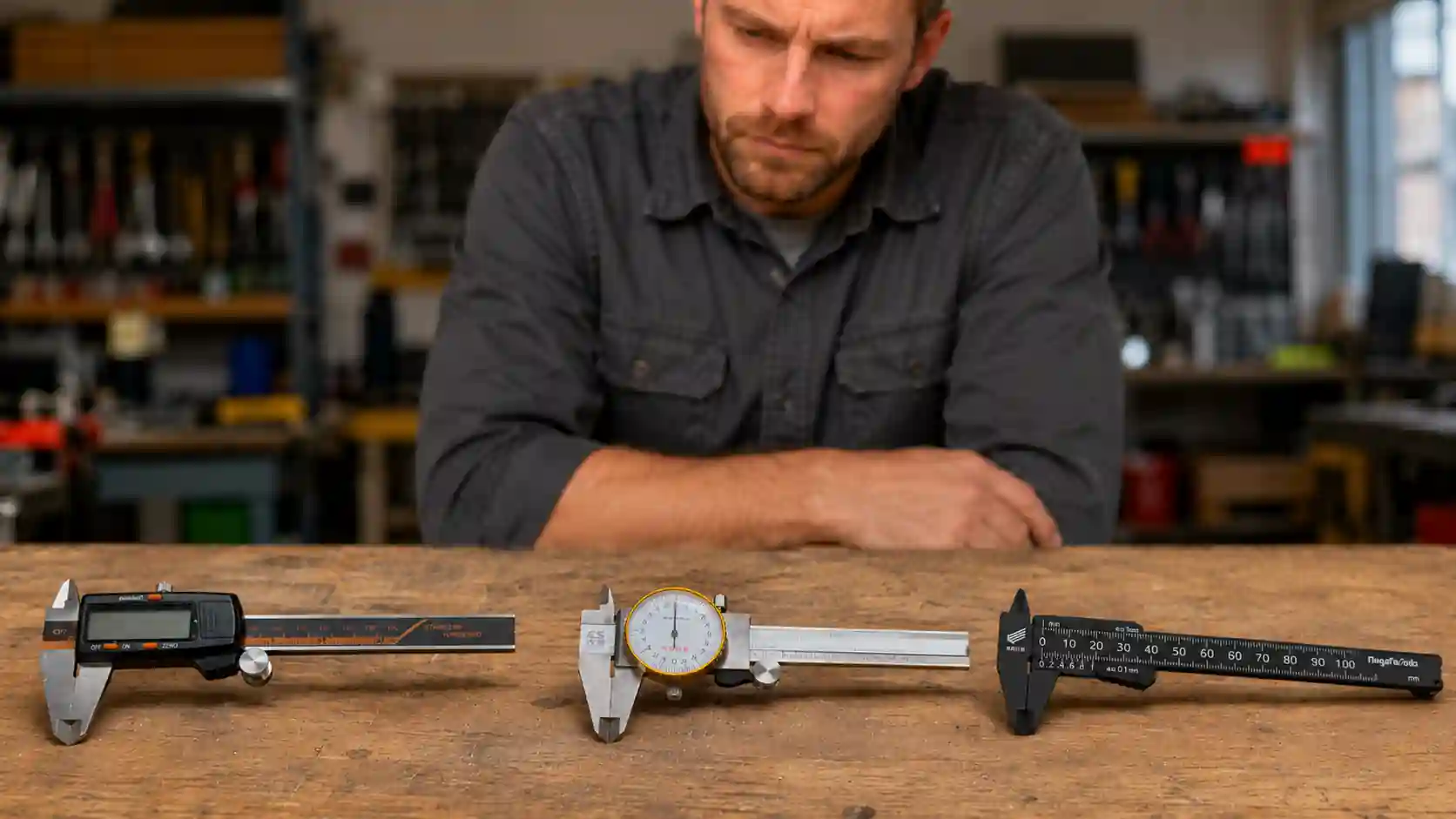
A digital caliper is the easiest option. The number appears directly on the screen, and you can usually switch between millimetres and inches with one button.
A dial caliper uses a pointer and circular dial. It needs no battery and makes small dimensional changes easy to see.
A vernier caliper uses two engraved scales. It is simple, durable, and battery-free, but it takes more skill to read.
For most beginners, a digital model is the easiest place to start. Many of the top rated calipers for beginners use digital displays because they are quick and easy to read.
Pick the Right Measuring Range
Most everyday calipers measure up to 150 mm or 6 inches. That is enough for many jobs, including:
- DIY projects
- Woodworking
- Automotive repairs
- Metalworking
- Small machine parts
- Household measurements
Working with larger objects? You may need a 200 mm, 300 mm, or longer model.
Do not buy a giant caliper just because it looks impressive! Larger models are heavier, more expensive, and harder to control on small parts.
The best calipers are not always the largest ones. The right measuring range depends on the size of the parts you normally inspect.
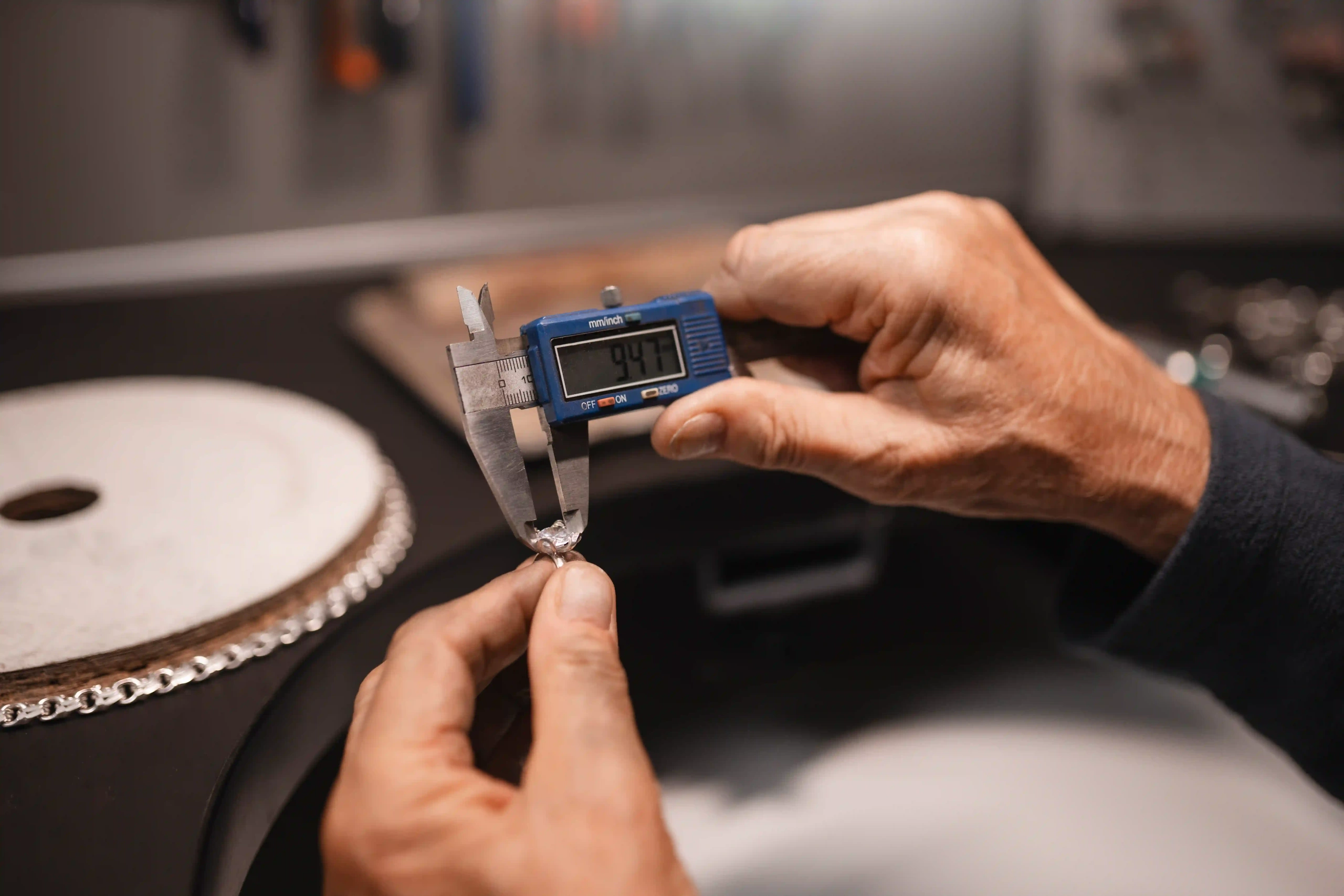
Check the Accuracy
This is where many buyers get confused.
A caliper may show measurements in steps of 0.01 mm, but that does not always mean it is accurate to 0.01 mm.
The smallest number the tool can display is called its resolution.
Its accuracy tells you how close the result should be to the actual size.
For example, a caliper may have:
- Resolution: 0.01 mm
- Accuracy: ±0.03 mm
So, do not judge a caliper only by the number of digits on its screen. Check the manufacturer’s stated accuracy or maximum permissible error too. Caliper accuracy and calibration are commonly evaluated using standards such as ASME B89.1.14.
Accuracy is one of the most important differences between basic models and top rated calipers.
Think About the Part’s Tolerance
Measuring an ordinary bolt? A standard caliper should work well.
Checking a highly precise shaft with a very tight tolerance? You may need a micrometer instead.
The measuring tool should be noticeably more accurate than the tolerance you are trying to inspect. Otherwise, you cannot be confident that the part has passed or failed.
Simply put: the tighter the tolerance, the more accurate the tool must be.
Even the best calipers may not be suitable for extremely tight tolerances, so always choose the correct measuring tool for the job.
Decide What You Need to Measure
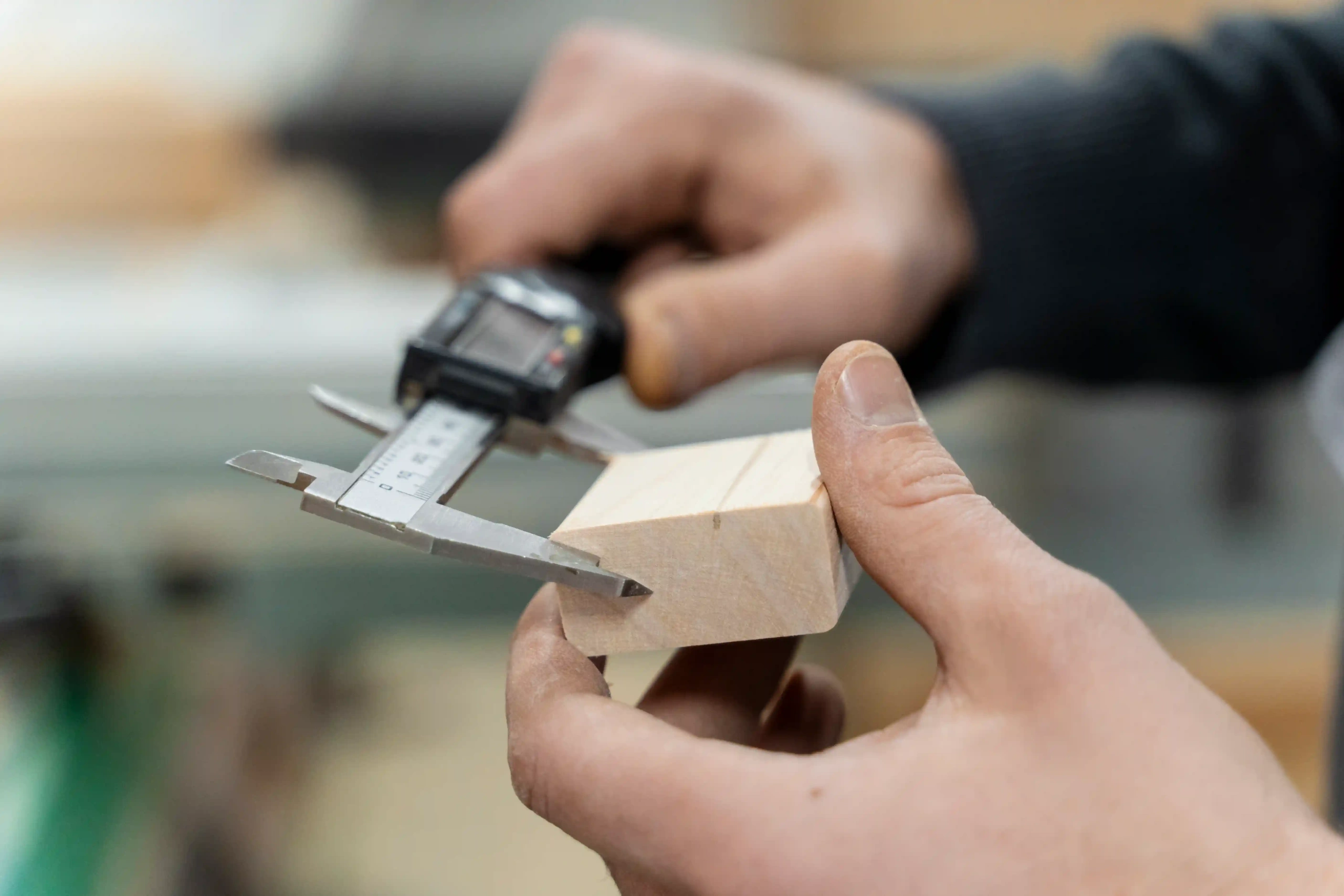
A regular caliper can usually measure:
Outside dimensions:
Use the large lower jaws for thickness, width, and outside diameter.
Inside dimensions:
Use the smaller upper jaws for holes and openings.
Depth:
Extend the depth rod into a hole, slot, or recess.
Steps:
Use the rear step surfaces to measure differences in height.
Working with narrow grooves, deep parts, gears, or unusual shapes? You may need a special caliper with pointed, offset, knife-edge, or extra-long jaws.
Always match the jaw design to the job. The top calipers for specialised tasks often include jaw designs made for specific shapes or measuring positions.
Look at the Material
For serious workshop use, stainless steel is usually the better choice.
A stainless-steel caliper is generally:
- Stronger
- More rigid
- More wear-resistant
- Better for regular use
Plastic calipers are lightweight and inexpensive. They can also be useful on delicate surfaces that scratch easily.
But for machining, metalworking, or professional inspection, a hardened stainless-steel model is normally the safer option.
That is why many popular calipers for workshop use are made from hardened stainless steel.
Check the IP Rating
Will you use the caliper in a clean room or on a messy workshop floor?
That makes a big difference!
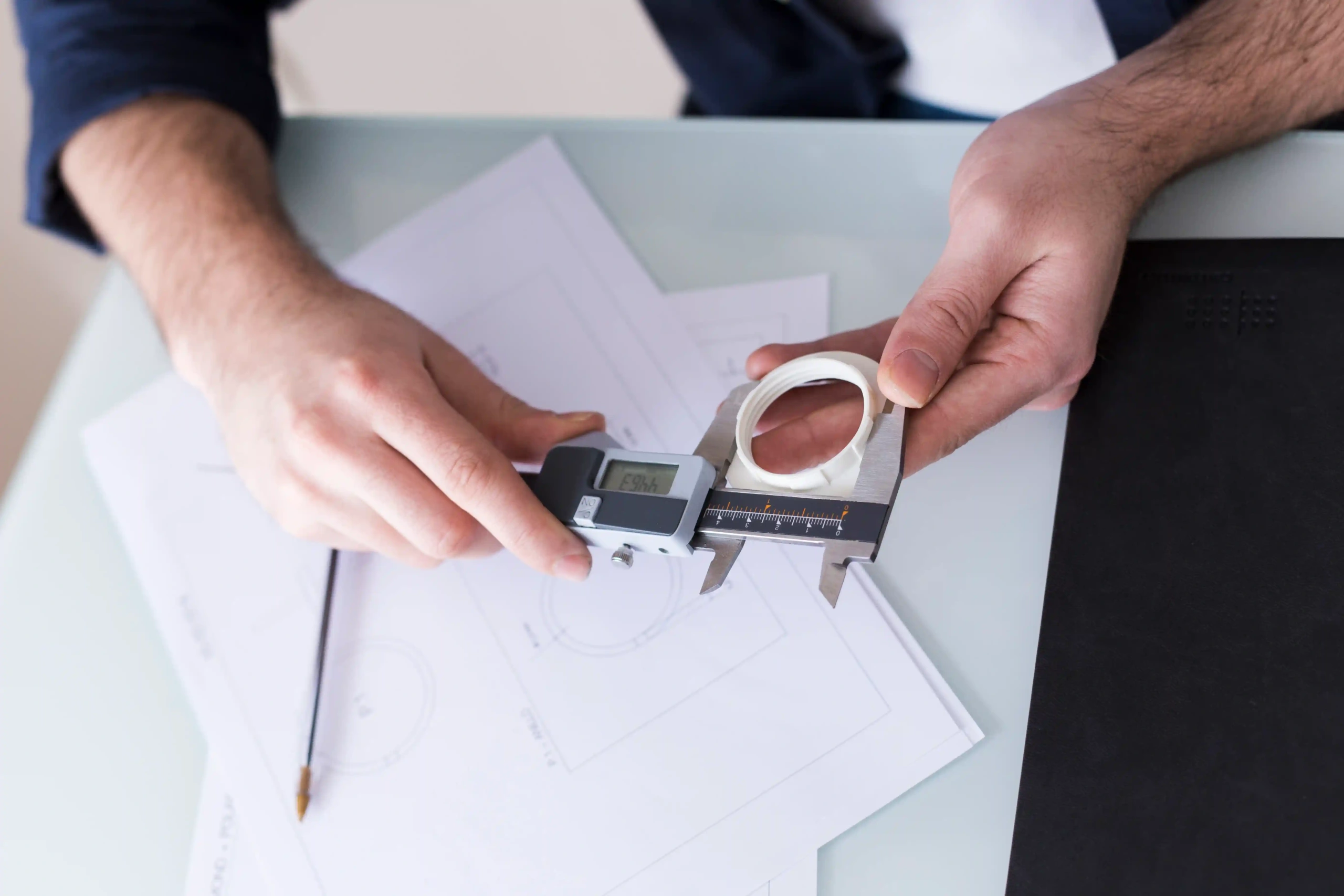
An IP54 caliper offers some protection against dust and splashing water.
An IP67 caliper gives stronger protection and is better suited to coolant, oil, dust, and wet environments.
No IP rating does not automatically mean the caliper is bad. It may still work perfectly in a clean, dry workshop. Just do not treat it like a waterproof tool.
Many of the top rated calipers for industrial use include an IP rating because they are designed for tougher working conditions.
Test the Sliding Movement
A good caliper should slide smoothly.
The movable jaw should not:
- Stick
- Shake from side to side
- Feel loose
- Move in sudden jumps
The jaws should close evenly, and the tool should return to zero when they are clean and fully closed.
A rough or loose slider can make consistent measurements much harder.
Check the Display and Controls
Buying a digital caliper? Look for a large, clear screen.
The buttons should be easy to reach, but not so easy that you press them by accident.
Useful digital features include:
- Millimetre/inch conversion
- Zero setting
- Automatic shutoff
- Low-battery warning
- Data hold
- ABSOLUTE positioning
- USB, Bluetooth, or SPC output
For normal DIY work, you probably do not need every feature.
For quality control or production lines, data output can save time and reduce mistakes when recording measurements.
These advanced features are commonly found on top calipers designed for professional inspection and production work.
Consider the Working Environment
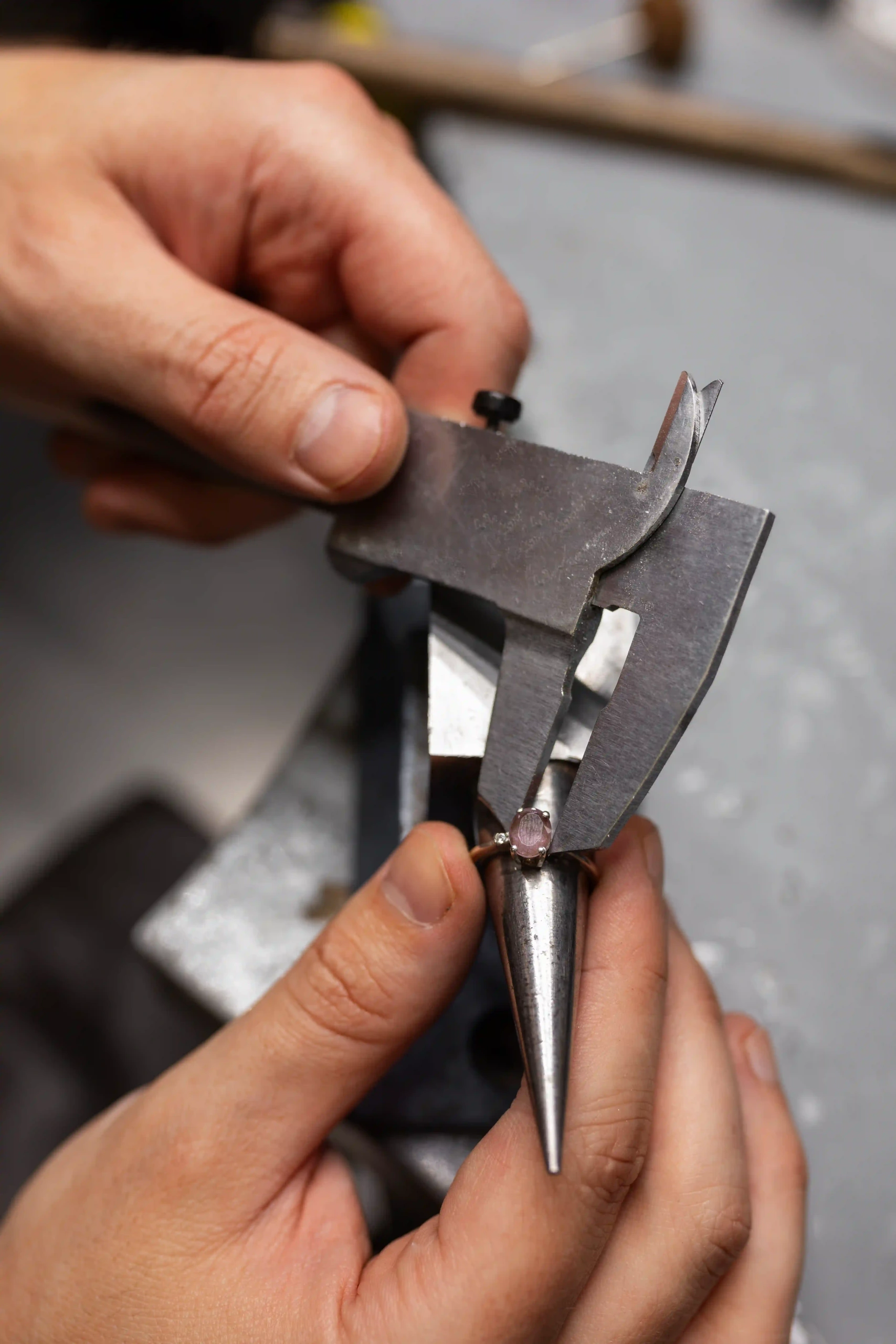
Where will the caliper spend most of its time?
For a clean home workshop, a basic stainless-steel model may be enough.
For CNC machining, automotive work, or industrial production, choose something tougher—preferably with good sealing and an IP rating.
For fieldwork or long-term storage, a mechanical dial or vernier model can be useful because it does not rely on a battery.
The most popular calipers are not always suitable for every environment, so choose a model that matches your actual workplace.
Think About Calibration
For casual DIY measurements, checking that the caliper closes at zero may be enough.
For professional inspection, you may need a calibration certificate.
A proper certificate can include:
- The caliper’s serial number
- Measurements taken at different points
- Measurement uncertainty
- Calibration date
- Reference equipment
- Traceability information
Metrological traceability connects a measurement result to a recognised reference through a documented, unbroken chain of calibrations.
So, if your measurements affect product quality, safety, or customer approval, do not ignore calibration.
Do Not Choose by Price Alone
A very cheap caliper might look like a bargain. But what happens if it gives you the wrong measurement?
You could end up with:
- A damaged workpiece
- Incorrectly machined parts
- Wasted materials
- Extra repairs
- Failed inspections
For occasional home use, an affordable mid-range model can be a smart choice.
For professional work, it is worth paying more for tested accuracy, stronger construction, good sealing, and reliable support.
The best calipers offer a good balance of accuracy, durability, useful features, and price.
Final Choice: Which Caliper Is Right for You?
Choose a digital caliper when you want fast, easy-to-read results.
Choose a dial caliper when you want a mechanical tool with a clear pointer and no battery.
Choose a vernier caliper when you want maximum simplicity, long-term durability, and do not mind learning how to read the scale.
When comparing top calipers and top rated calipers, focus on the model that suits your actual measuring needs.
And remember: the best caliper is not always the most expensive one. It is the one that fits your measurements, your working conditions, and your required level of accuracy.

Giselle
31 July 2026