- 4min
- 252
- 0
Contents
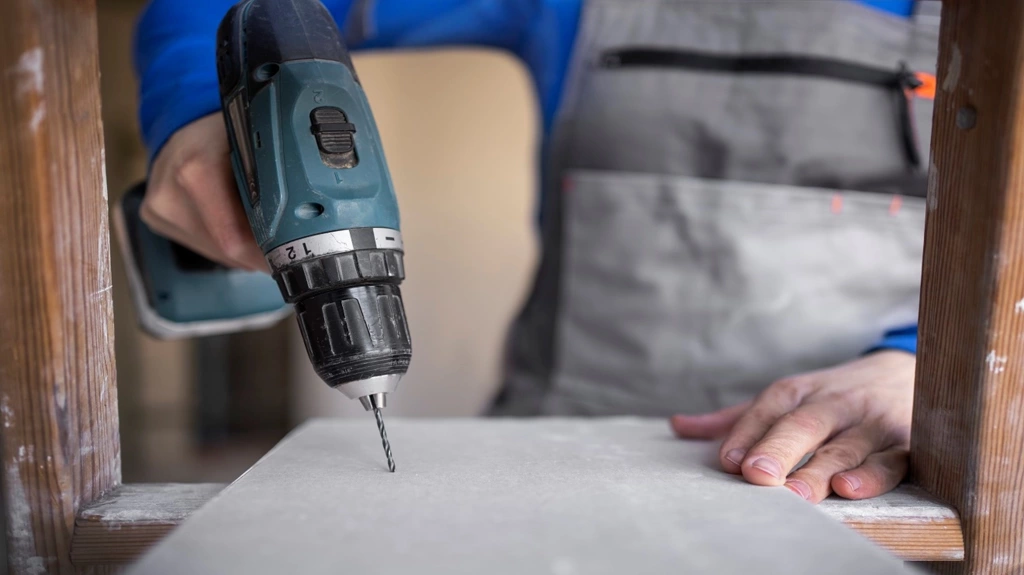
If you’ve ever stood in front of a porcelain tile with a drill in your hand, you already know—it’s not something you want to mess up. One wrong move and that clean, glossy surface is chipped, cracked, or worse… ruined right in the middle of your wall.
So yeah, choosing the best drill bit for porcelain tile matters more than people think.
Why Porcelain Tile is So Tricky to Drill
Porcelain looks smooth and almost soft from a distance, but the first time you try to drill into it, you realize how unforgiving it actually is.
It comes down to how it’s made. Porcelain is fired at higher temperatures than regular ceramic, which makes it denser and harder. Great for durability, not so great when you’re trying to get a clean hole through it.
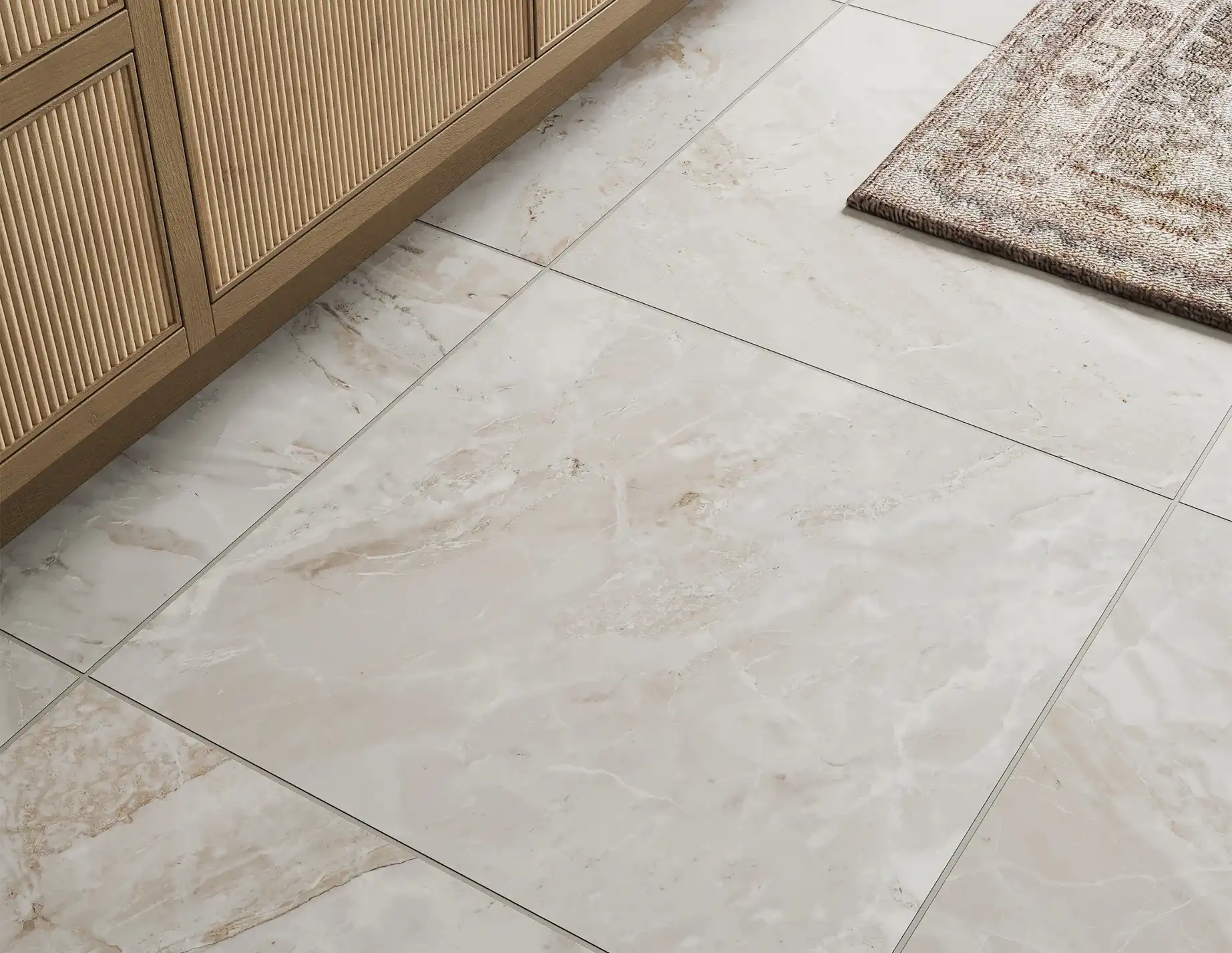
In real-world terms, here’s what that means:
- It’s extremely dense — you’ll feel the resistance immediately
- The surface is slippery — your bit tends to wander if you’re not careful
- It’s brittle under pressure — push too hard and it chips without warning
- It doesn’t absorb heat well — so things heat up fast while drilling
The first time I drilled porcelain, I made the classic mistake—used a regular masonry bit and went in a bit too confidently. The bit skated across the glaze, left a scratch, and I hadn’t even started the hole properly yet. That’s usually when people start asking, what is the best drill bit for porcelain tile—after learning the hard way.
Best Drill Bit for Porcelain Tile
Short answer: diamond-tipped drill bits.
If someone asks me straight up what is the best drill bit for porcelain tile, I don’t hesitate. A high-quality diamond bit is the answer every time—not just in theory, but on real jobs.
Most standard bits try to cut or punch through material. Diamond bits don’t. They grind their way through. And with porcelain, that’s exactly what you need.
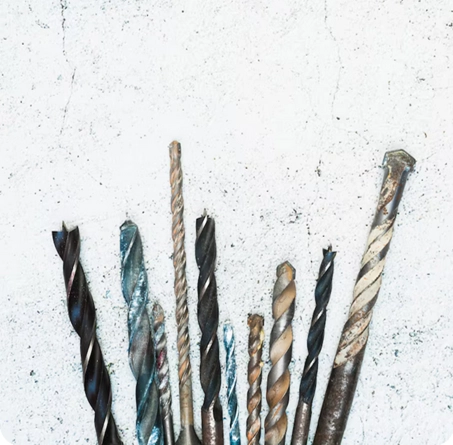
After using them on a few installs (bathroom fixtures, a couple of kitchen backsplashes, even some outdoor tiles) the difference is obvious. The cut feels controlled, not aggressive. You’re not fighting the tile the whole time.
That’s why most pros would agree it’s the top drill bit for porcelain tile, especially when you’re dealing with dense, glazed surfaces.
Why Diamond Bits Are the Go-To in Real Jobs
Once you’ve used a high quality drill bit for porcelain tile, you start noticing the small things that make a big difference:
- They don’t slip as easily once you get started
- They handle heat better, especially if you keep them cool
- The holes come out cleaner, with less chipping around the edges
- They last longer than you’d expect on hard materials
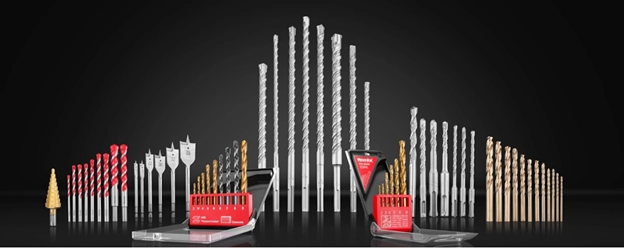
What most people don’t realize is that drilling porcelain isn’t about force it’s about patience. Even with a good drill bit for porcelain tile, rushing the job is where things go wrong.
And honestly, once you’ve used the best tile drill bit for porcelain tiles, going back to anything else feels like unnecessary risk.
A Few Practical Tips That Make a Big Difference
These are the small things that don’t always get mentioned, but they’re what actually keep your tile intact:
- Start slow. Always. High speed is where things go wrong
- Turn off hammer mode if your drill has it (this ruins tiles fast)
- Use water even a little makes a huge difference in heat control
- Tape the spot first or use a guide especially on glossy tiles
- Angle the bit slightly at the start, then straighten it once it bites
- Practice on a spare tile if you have one. it saves stress later
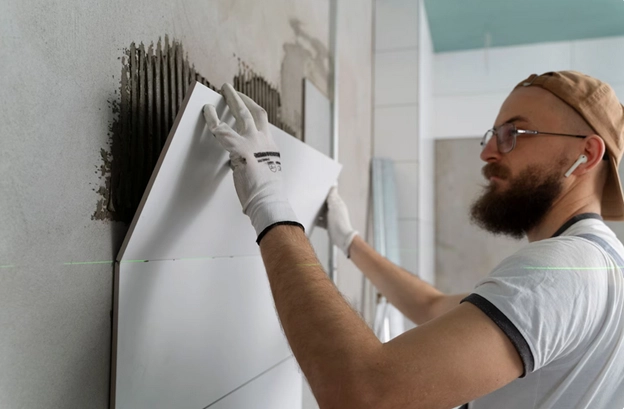
One thing that surprised me early on: overheating happens quicker than you expect. You don’t always see it, but you’ll feel the bit struggling. That’s your cue to stop, cool it down, and continue.
Final thoughts
Finding the best drill bit for porcelain tile isn’t about chasing brands or hype! it’s about using the right type of tool for the material in front of you.
Once you switch to a proper diamond-tipped option, the whole process becomes a lot more predictable. Clean holes, no cracks, no last-minute panic.
And after a few projects, it stops feeling like a risky job and starts feeling routine which is exactly how it should be.

Giselle
19 March 2026